Theory of Change
Most disaster funding arrives after the damage is done. We want to change that.
The Situation
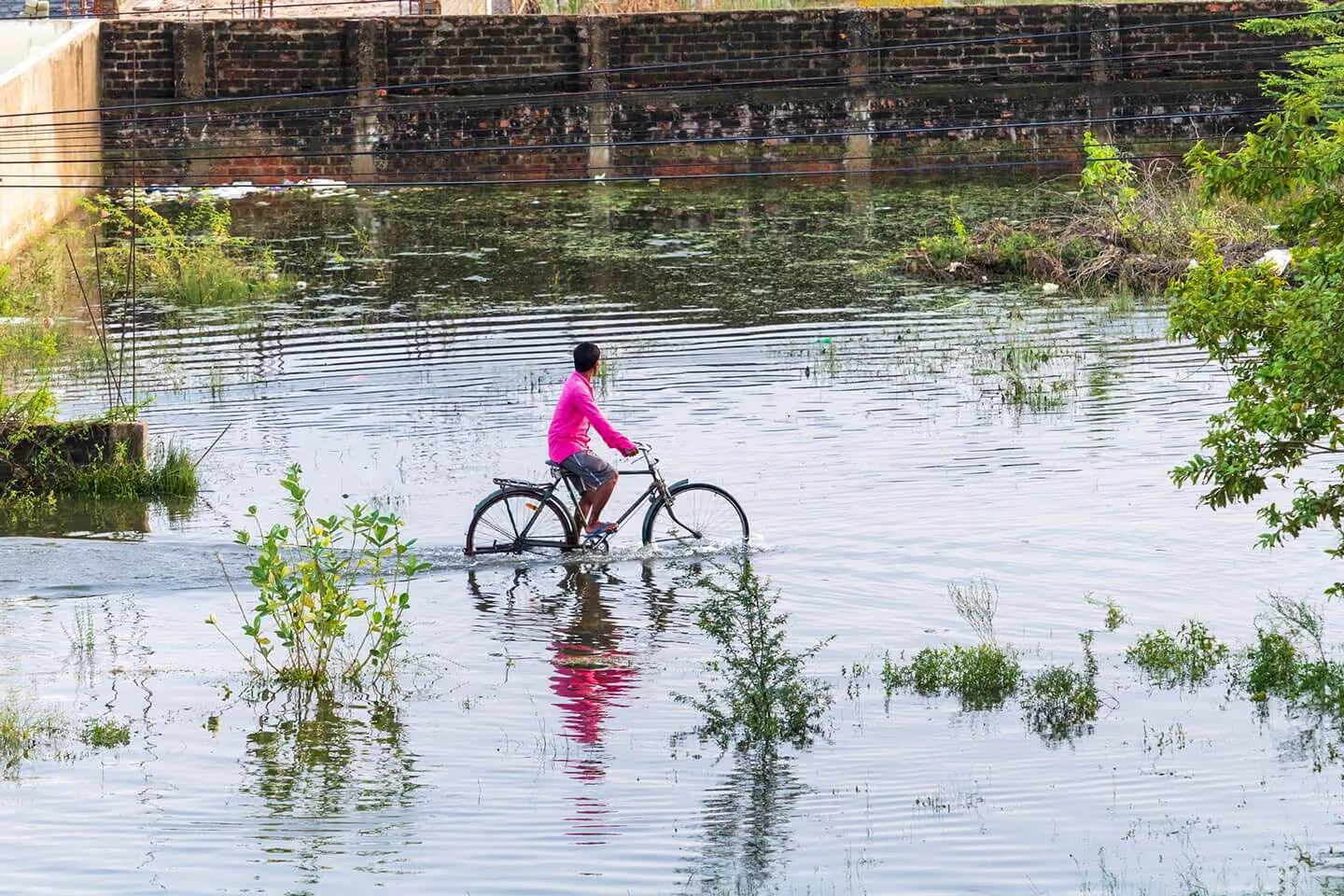
Disasters are becoming more frequent and more severe, and the people hit hardest are those with the least capacity to recover. A single disaster can push families into poverty, close schools and clinics, and undo years of development in days. Governments are often left diverting money from essential services just to cope.
Acting ahead of disasters saves lives, but less than 2% of international crisis financing is secured before a disaster occurs. This is because current policies and incentives favour reactive funding over proactive planning.
Existing financial tools often don’t reach the people who need them, when they need them. And few countries or organisations plan in ways that put the most vulnerable first.
The Centre works to change this.
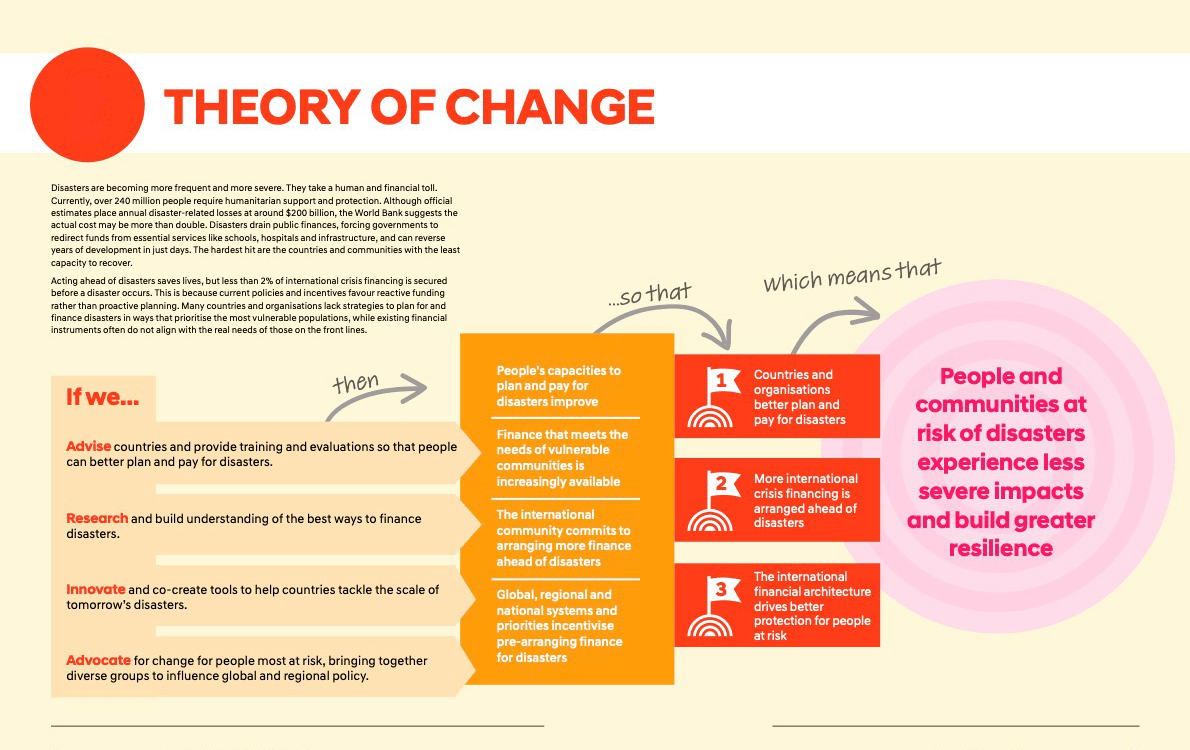
If we...




Then...
So that...

Countries and organisations better plan and pay for disasters

More international crisis financing is arranged ahead of disasters

The international financial architecture drives better protection for people at risk
Which means that...