Blogs
.jpg)
Rewriting the rules of disaster finance
On #DRRDay, UNDRR and the Centre look at why disaster finance needs to cover disaster prevention, not just the cost of recovery.
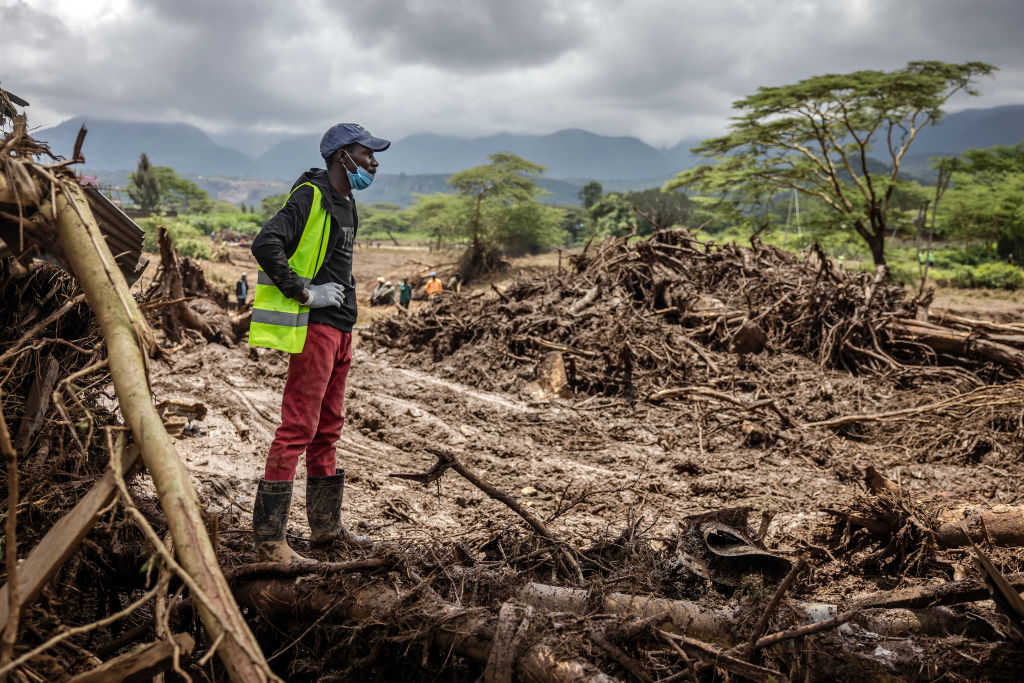
Kenya finances resilience as El Niño looms
Kenya’s new disaster risk financing strategy will be tested by a potentially record-breaking El Niño.
Read more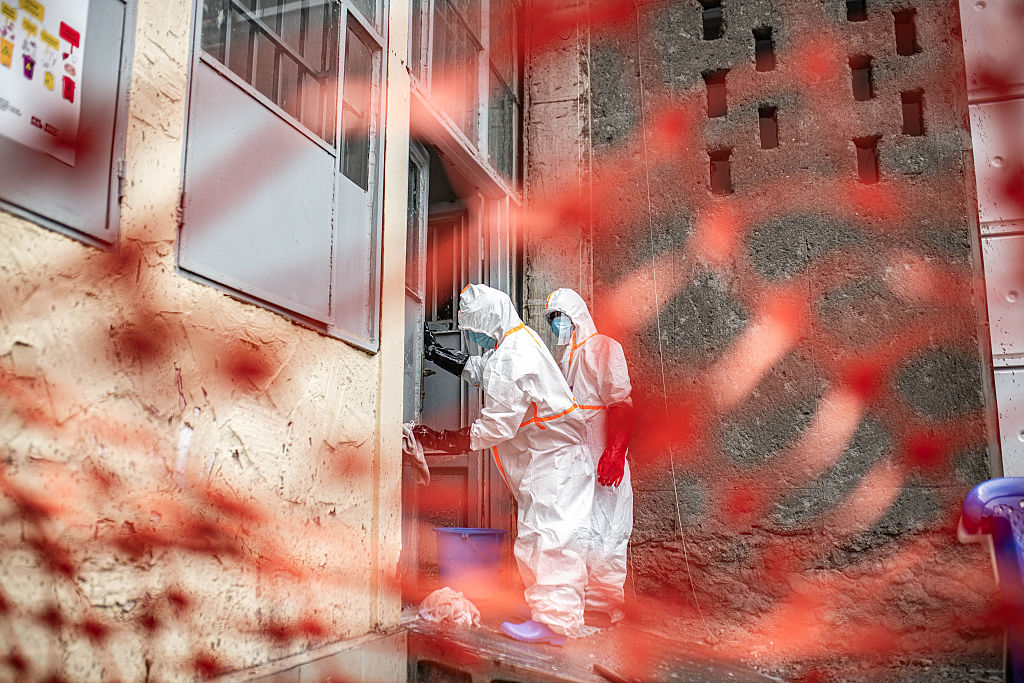
The DRC’s Ebola outbreak is the fastest on record. The type of financing and hurdles behind the response look almost exactly as it did seven years ago.
Read more.jpg)
Learning disaster risk finance the playful way
Can a game replicate real decision-making better than a workshop ever could? Layer Up!, our new simulation game, is finding out.
Read more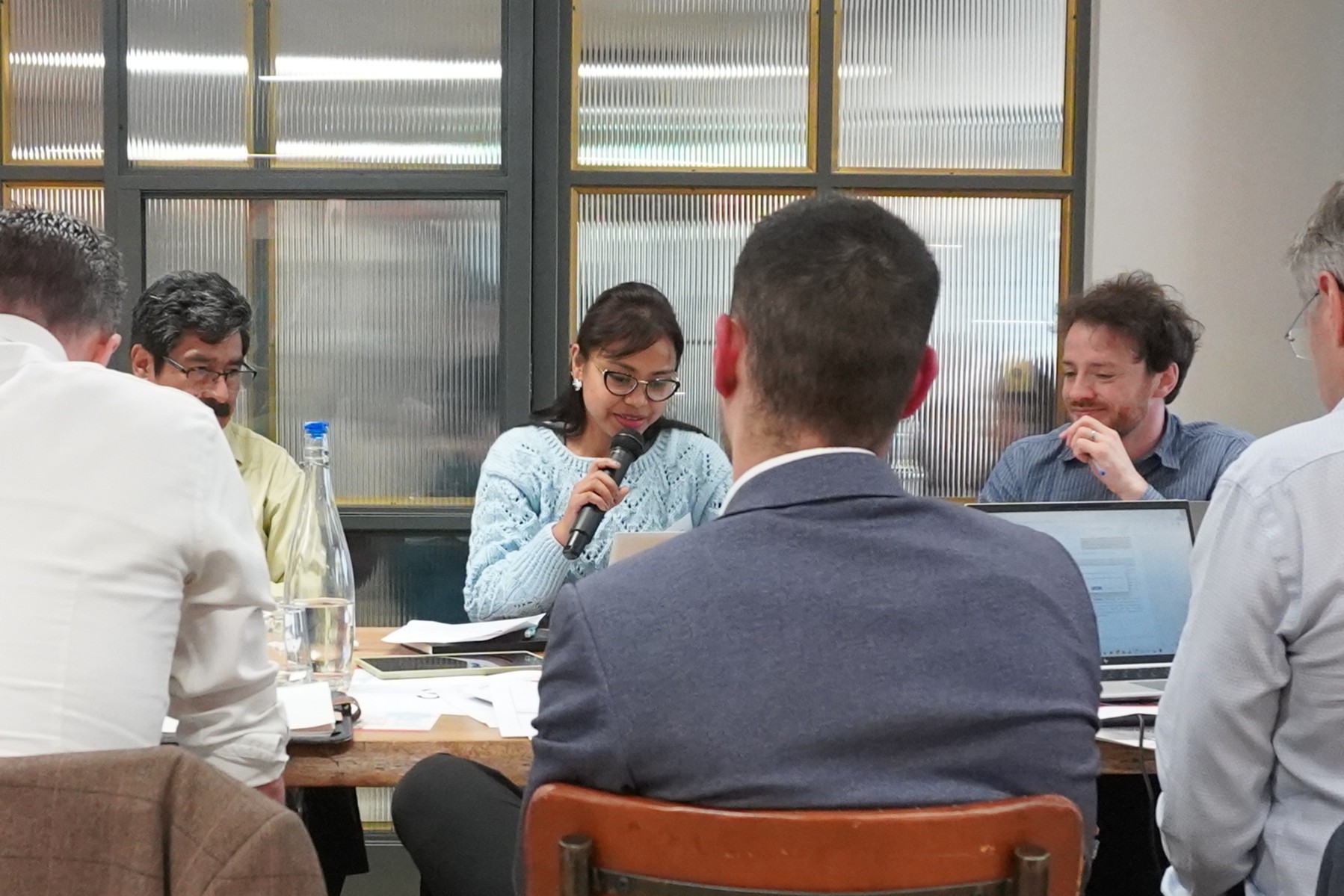
If local actors are meant to hold more decision-making power over disaster finance, the case is stronger when the research making it was designed to shift power too.
Read more
Launching: Counter Crisis Season 3
The brand new season of Counter Crisis is released today.
Read more
Climate risk finance works better when more voices are in the room. Early evidence from Pakistan, Costa Rica and The Gambia shows how that idea holds up and where it still falls short.
Read more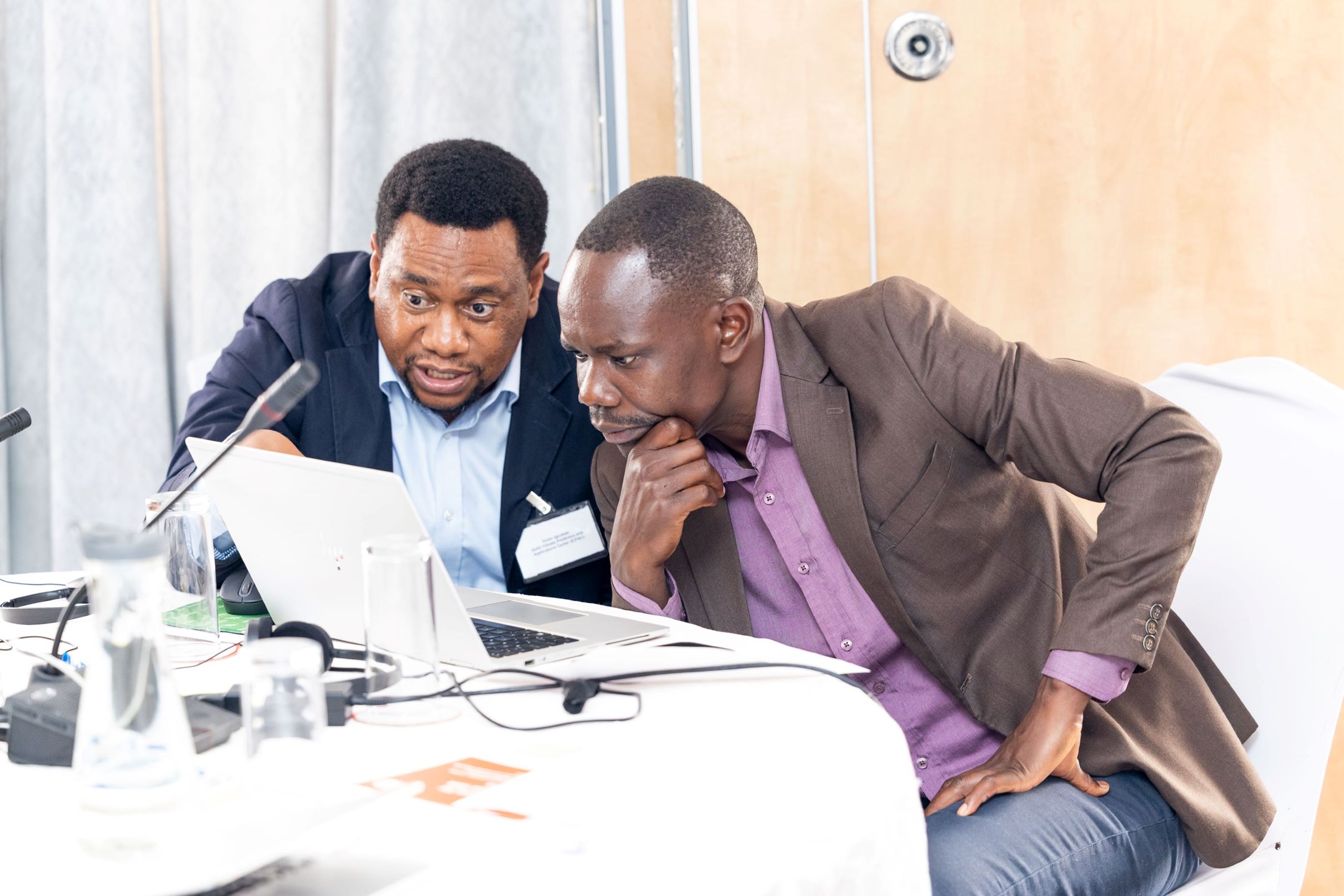
Our newly launched dashboard lets you explore how financial protection is actually used in practice by countries and regions.
Read more
Uninsurability is a policy choice
Uninsurability is not a natural law. It is a policy choice, and that means it can be changed.
Read more
We too rarely start with a blank page and ask: what is the simplest, most effective way to get money flowing where it’s needed most? This is what Labs is built for.
Read more
Jamaica built a disaster risk financing system that worked. So why don't other countries copy it?
Read more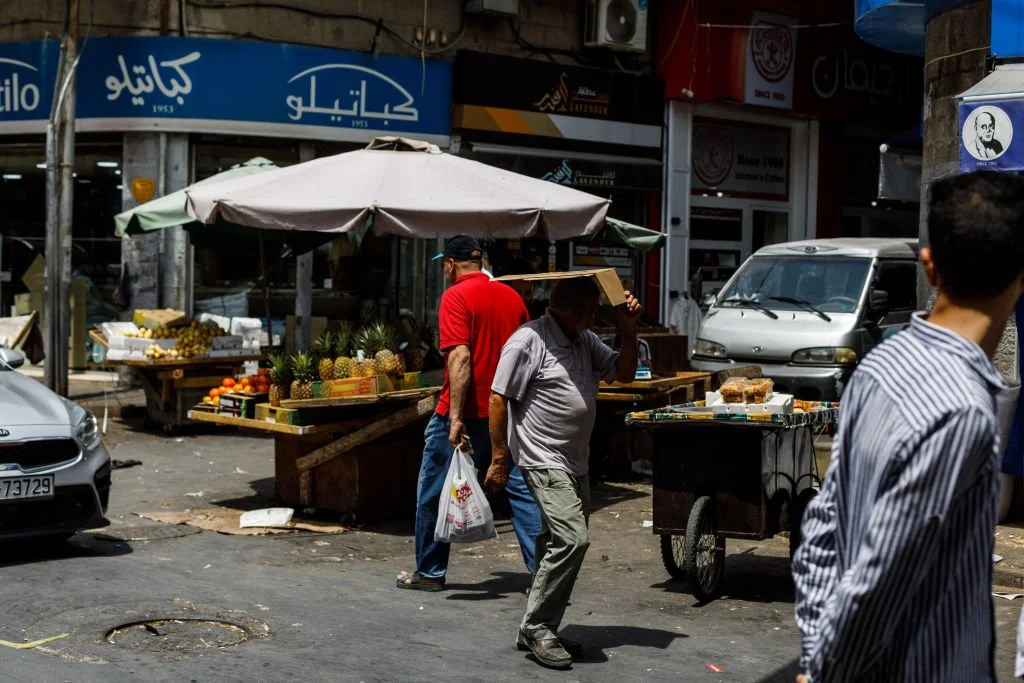
As climate shocks accelerate, Jordan’s challenge is no longer whether support exists, but whether it can move fast enough to those who most depend on it.
Read more
A new chapter for disaster preparedness - the importance of tracking pre-arranged finance
The Centre for Disaster Protection’s flagship report goes further than ever before. Read our comprehensive analysis of how PAF is working at a global level.
Read more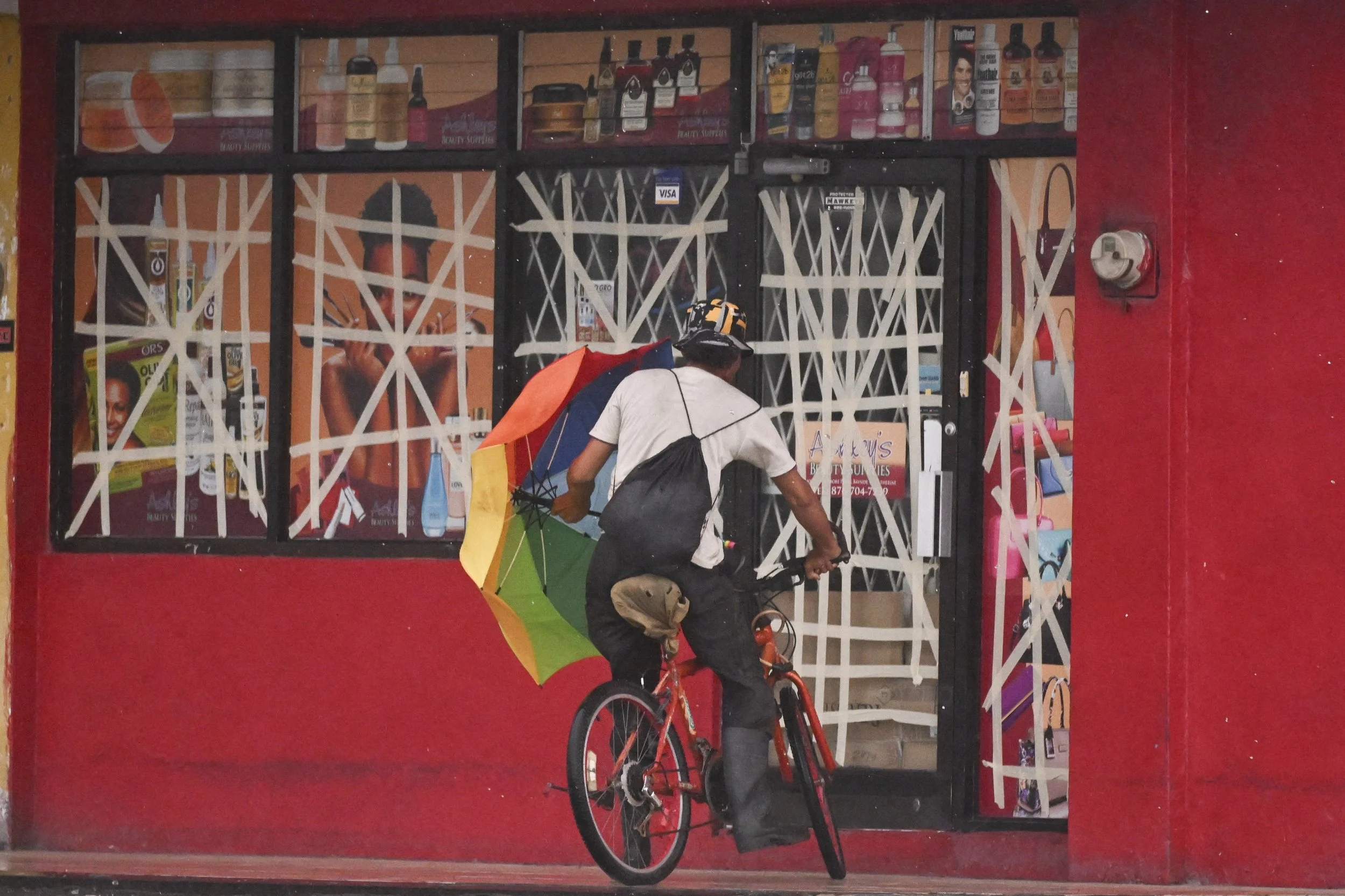
Debt is seen as a symbol of injustice. Jamaica’s response to Hurricane Melissa suggests that, deployed deliberately and in advance, it can steady an economy in the storm.
Read more
Too often, pre-arranged funding tools for disasters are created to reflect the preferences of financial providers rather than the priorities of the governments that use them.
Read more
A Year in Review: Annual Report 2024-25
Disaster risks are increasing, but so is the momentum for change. Read our Year in Review and join the journey.
Read more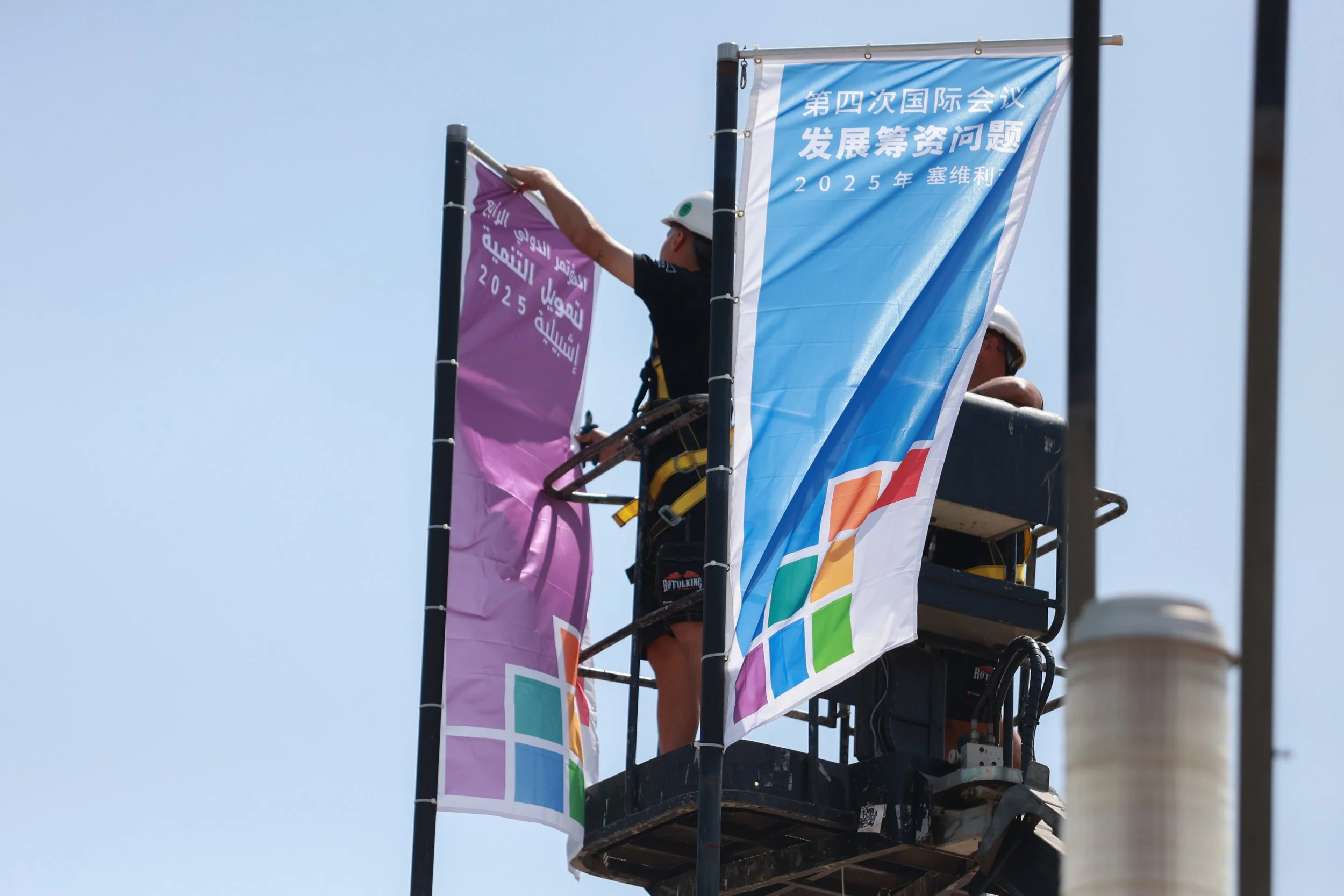
Over 10,000 delegates met in heat-struck Sevilla for global finance talks - did their agreements take disaster risk finance beyond Addis?
Read more
Indonesia has the tools to protect against disasters – now it’s time to unlock their full potential
As climate risks grow, new research explores how Indonesia can scale up disaster finance to protect more people.
Read more_pg_v1.1_web.webp)
Fertile grounds, uneven paths: Disaster risk finance and social protection in the Sahel
Over the past three years, the Centre for Disaster Protection has been working with Sahelian governments, the World Bank, and local partners to explore how disaster risk finance can help scale social protection systems in times of crisis.
Read more
What do we know about the instrument that accounts for half of all pre-arranged financing globally?
Read more