A starter guide to disaster risk finance
The number of people affected by crisis and in need of international assistance is rising. Yet the way the world prepares, responds to and pays for disaster is slow and inadequate.
It is not until after a disaster strikes that the money is found to pay for it, which can take weeks, months or even years to arrive. By then, people's homes are destroyed, jobs are lost, schools are closed. Access to safe water and healthcare becomes limited and children get sick from diseases - and it's usually the poorest communities which get hit the hardest.
It shouldn't be this way.
We need faster and more effective ways to respond to protect lives. Disaster risk financing puts plan and money in place before a disaster happens. We want to stop disasters being treated like surprises by changing how the world prepares and pays for disasters and give greater protection for the most vulnerable.
There's never been a more urgent time to act.

What does 'good' disaster risk financing look like in practice?
Disaster risk financing (DRF) covers the system of budgetary and financial mechanisms to credibly pay for a specific risk. In practice good DRF has the following traits:
- It focuses on poverty
- It is timely
- It improves constantly
- It creates power for people facing risk
- It provides a trusted guarantee
- It offers good value
- It aligns with the bigger picture
Why are triggers and plans so important?
Decision makers in government often face chaotic situations in the wake of a disaster. Disaster response can be improved by contingency plans, pre-arranged financing and triggers.
Contingency plans are co-ordinated plans for post-disaster action coupled with pre-arranged financing that ensures the plan can be delivered.
Triggers are fast, evidence-based decision-making processes that can active plans and finance when conditions are met.
.webp)
Jamaica had a multi-layered risk financing strategy in place when Hurricane Beryl struck in 2024
How did it fare?
Keep Learning

Counter Crisis Podcast
Our series of interviews, round tables and conversations about disaster risk financing.
View Episodes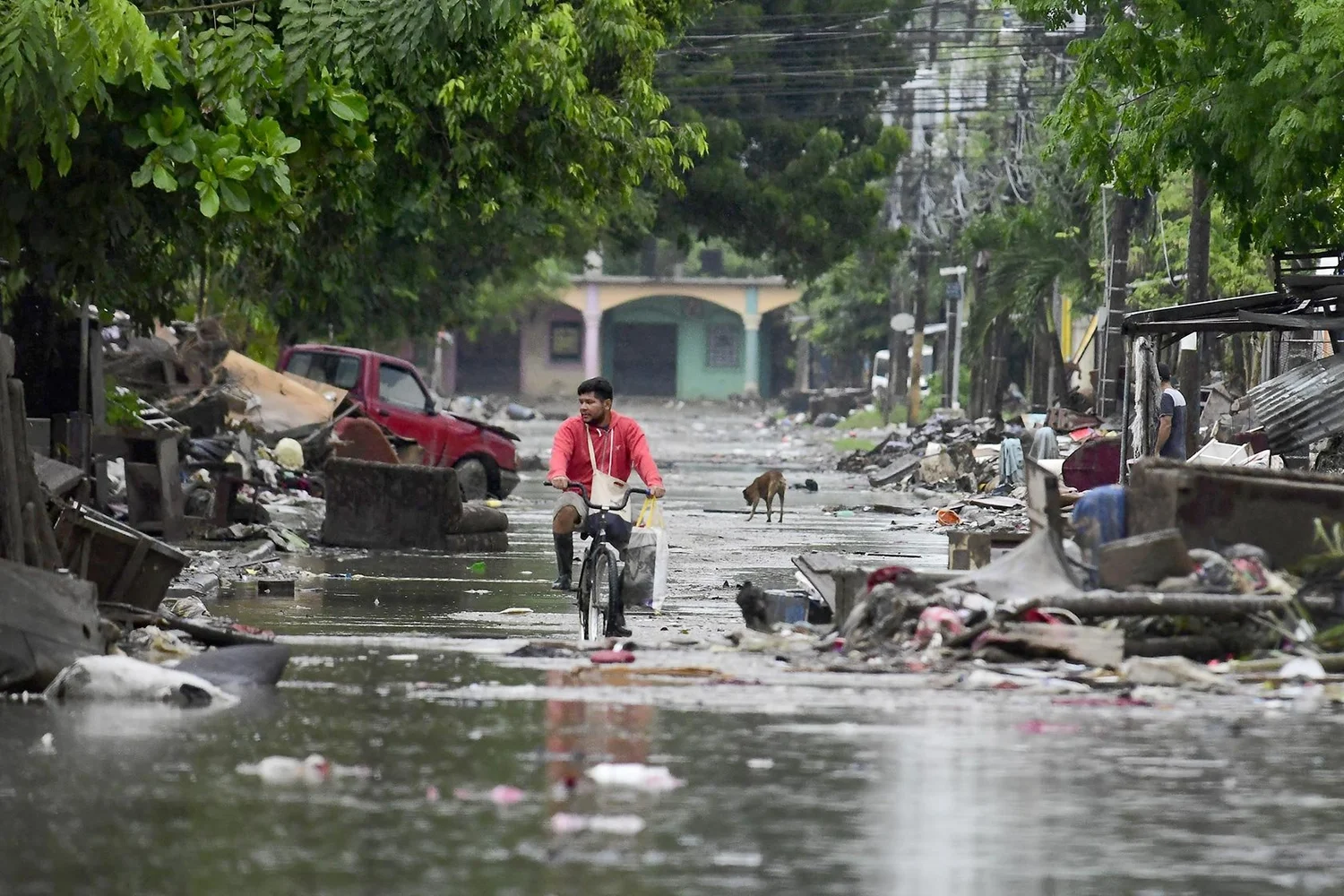
Our Latest Insights
Articles, research and commentary from the Centre team on all the emerging trends and data affecting pre-arranged finance.
Visit the Blog.webp)
The Publications Library
The home of all our published research, reports and briefing papers.
Explore