A new chapter for disaster preparedness - the importance of tracking pre-arranged finance
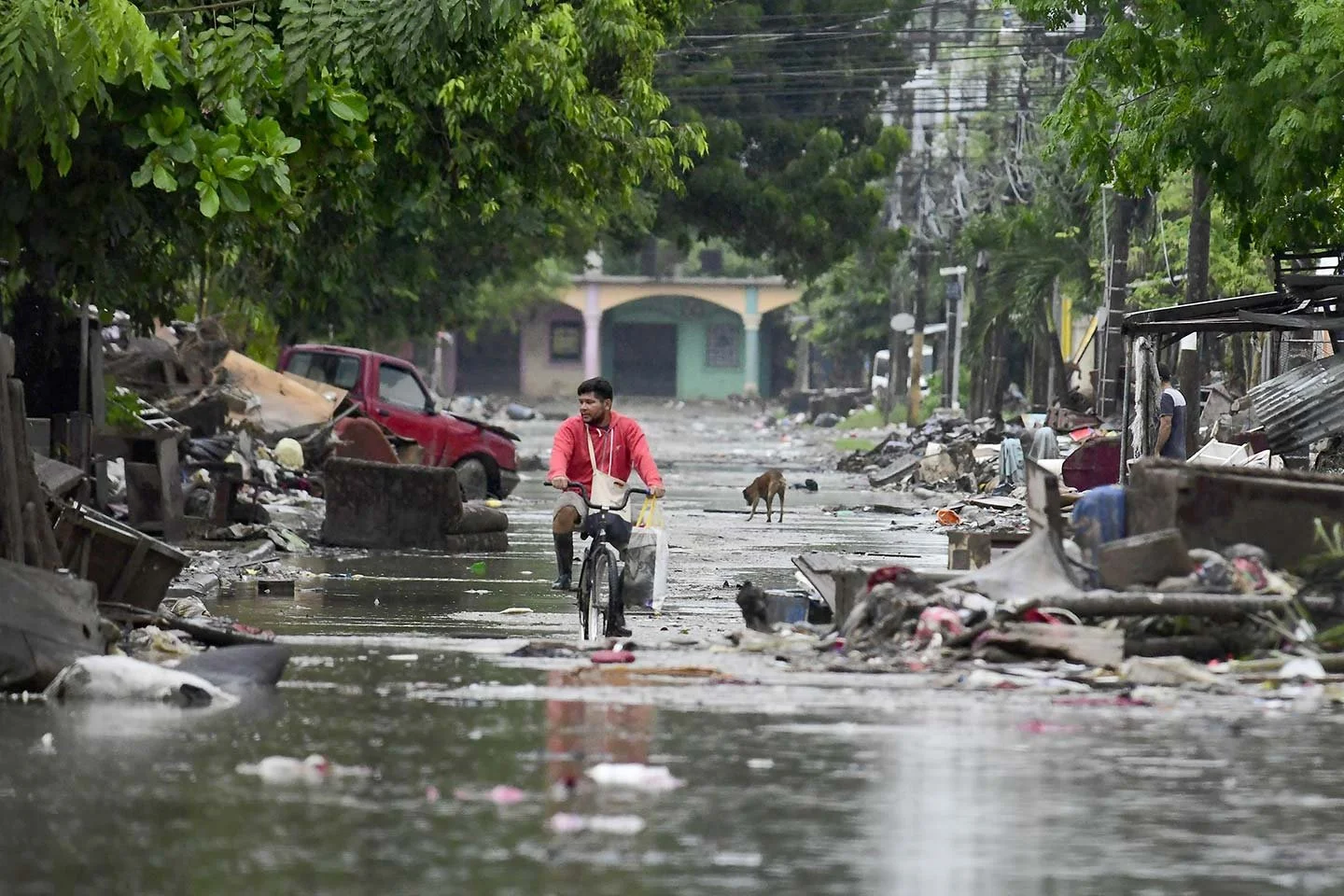
The past year brought a series of severe disasters: a major earthquake in Myanmar, back-to-back typhoons in the Philippines and Hurricane Melissa, the strongest storm ever to hit Jamaica. These events again underline how exposed communities around the world are.
After more than a decade of strengthening and layering its disaster risk financing systems, Jamaica also shows what preparedness can look like. The country secured hundreds of millions of dollars in rapid payouts within days of declaring a national disaster.
This proactive model is gaining global traction. New G20 disaster risk reduction principles, strong signals from the Financing for Development negotiations, and the Sevilla Platform for Action all point to a shared understanding: pre-arranged finance must become the norm.
Against this backdrop, The State of Pre-Arranged Financing for Disasters 2025 arrives at a critical moment. Now in its third year, it provides the most comprehensive picture yet of what pre-arranged financing looks like in practice: how much finance is available, how it is being used, and where gaps persist.
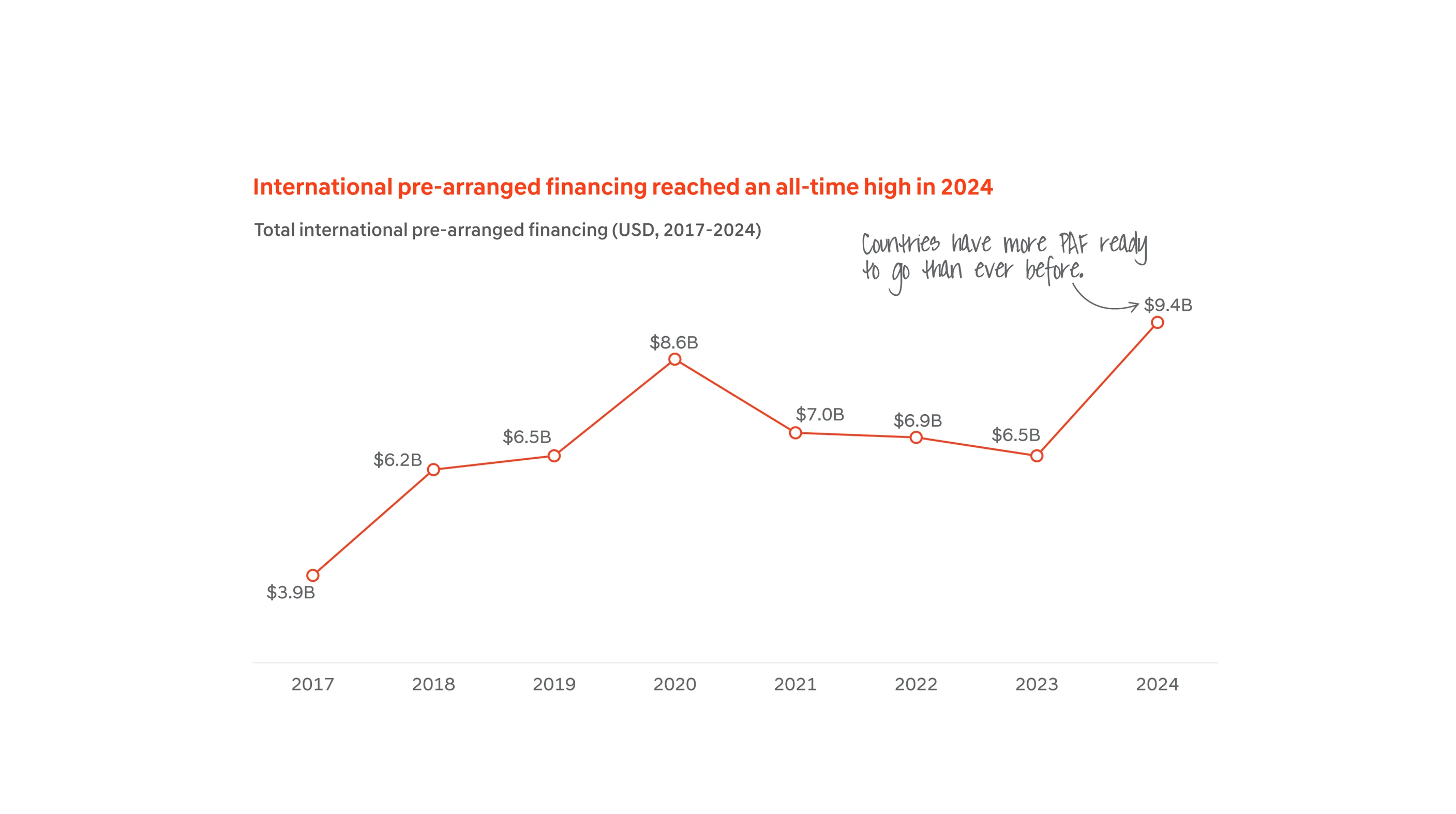
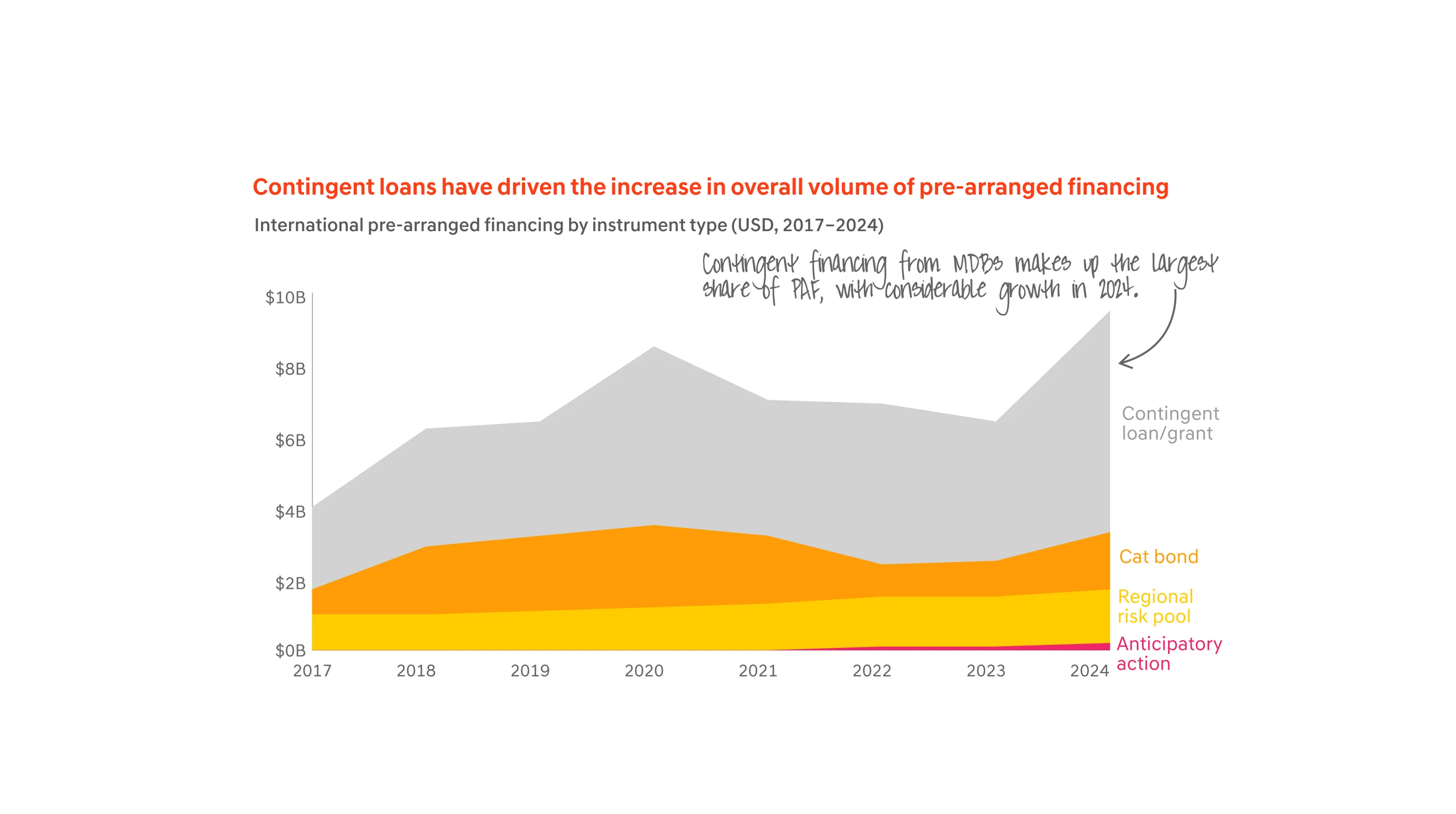
What emerges is a picture of cautious progress. International pre-arranged financing reached a record USD 9.4 billion in 2024, with growth across all country groupings and instrument types.
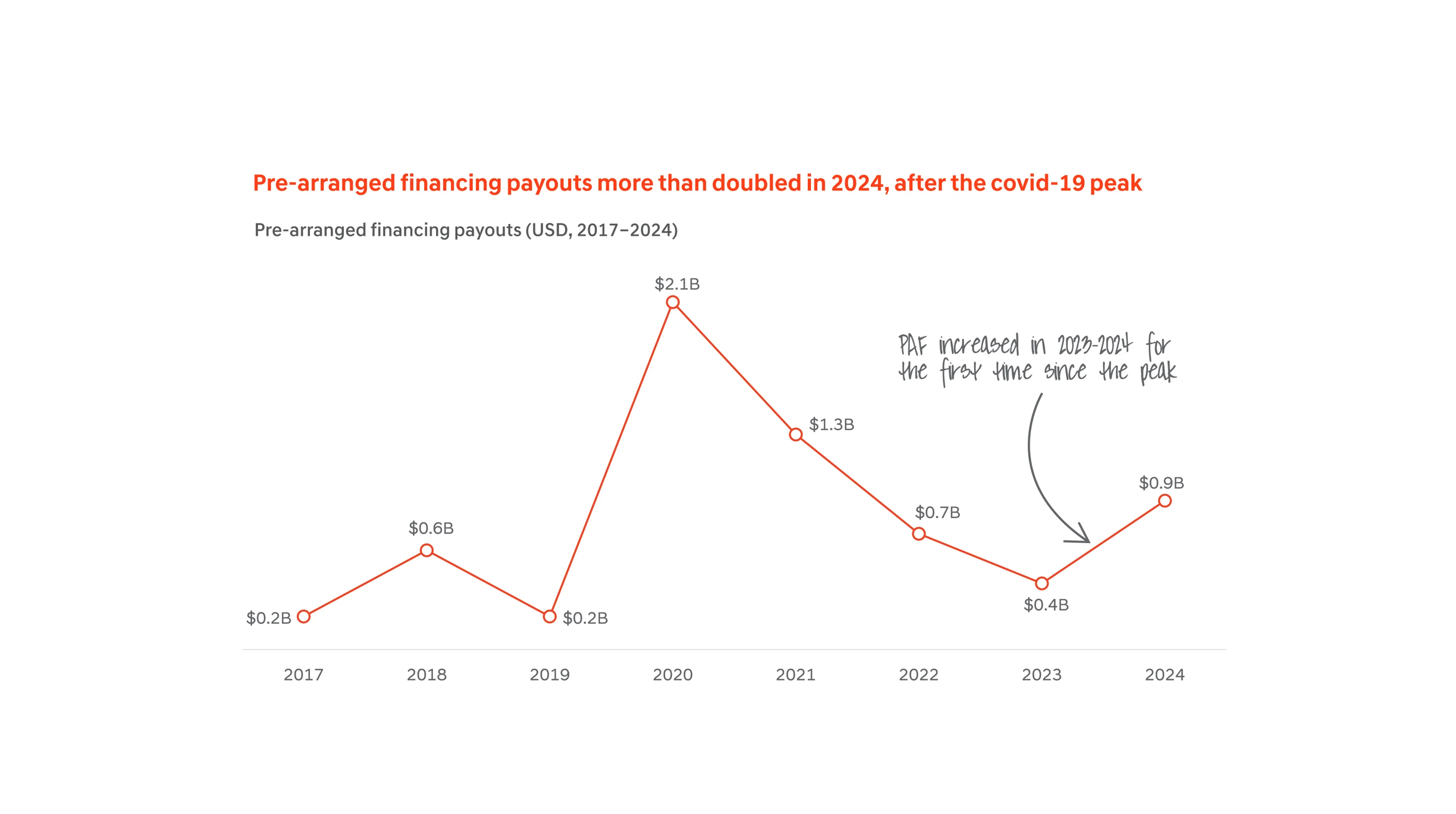
Payouts more than doubled after several years of decline, driven largely by World Bank Cat DDOs.
Development partner support for pre-arranged financing rose modestly to USD 889 million, or 1.2% of their spending on total crisis financing.
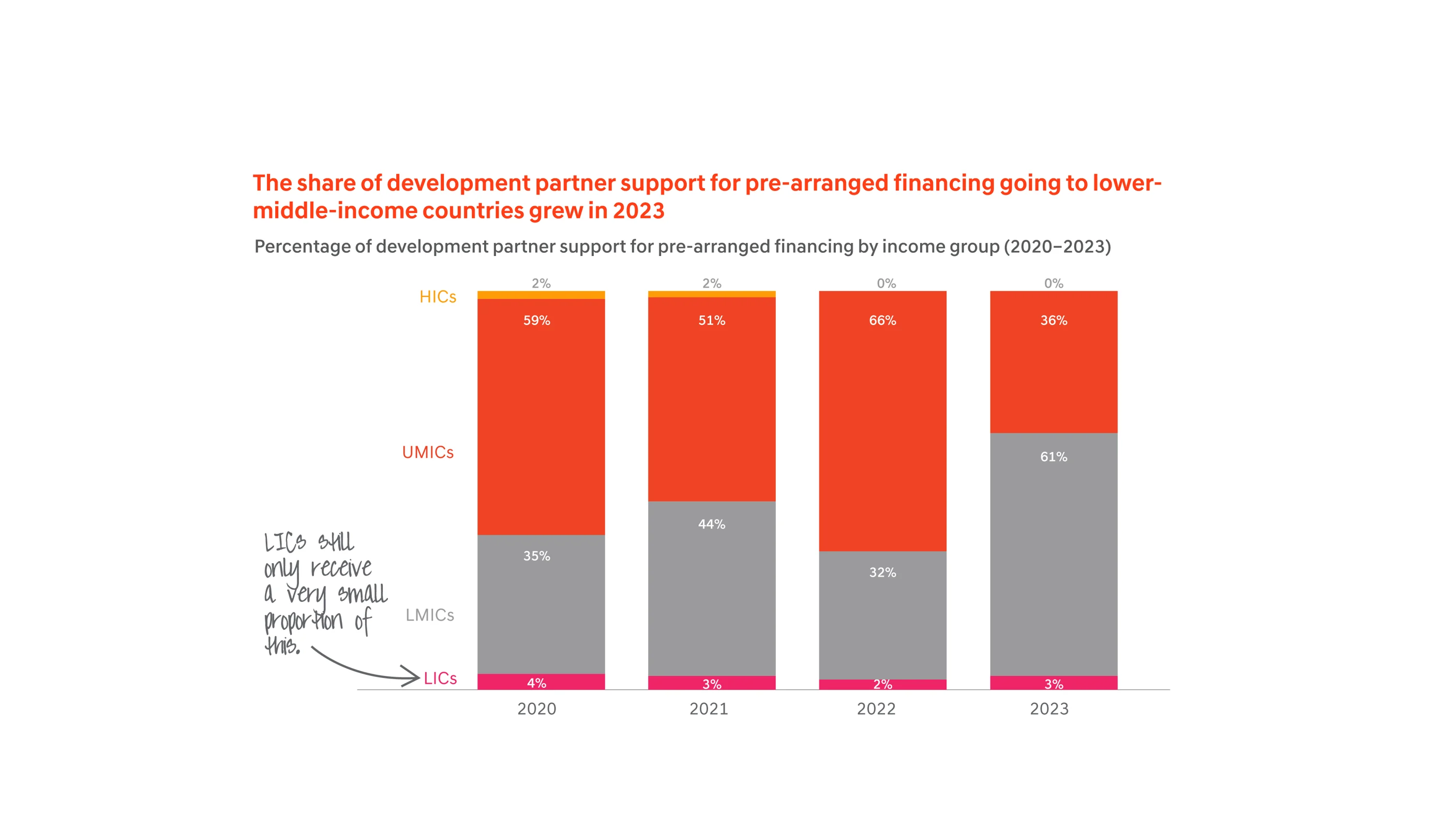
The trends reflect a shift towards more proactive, planned responses to crises. But the system remains uneven. Low-income countries and fragile and conflict-affected situations continue to receive less than 7% each of total international pre-arranged financing, a stark mismatch between where risks are highest and where protection is in place.
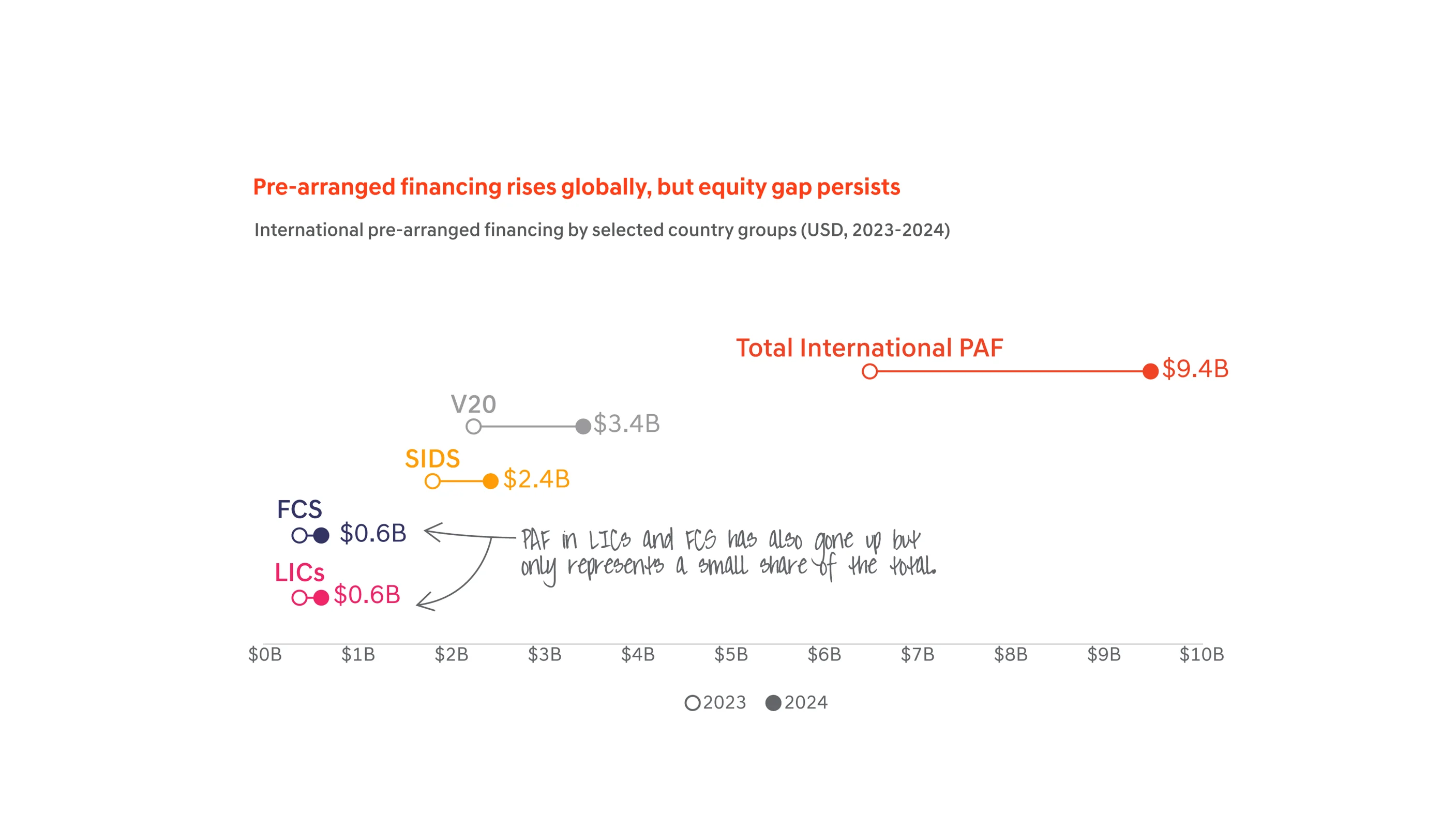
Much of the recent expansion is driven by contingent loans, accessible mainly to countries with more borrowing capacity; those least able to borrow remain the least protected.
Looking ahead, uncertainty looms. This report captures developments up to 2024, but early 2025 saw sweeping cuts across major donor budgets. Their impact will only become visible in next year’s assessment. Scaling up pre-arranged financing, making it accessible and affordable for all countries, and shining a brighter light on how it is deployed will determine whether this progress translates into protection for those who need it most.
The State of Pre-Arranged Financing for Disasters 2025 by Michèle Plichta, Zoë Scott and Darshni Nagaria is available now. The authors are grateful to the World Bank, the Asian Development Bank, the Inter-American Development Bank, African Risk Capacity, the Caribbean Catastrophe Risk Insurance Facility, the Pacific Catastrophe Risk Insurance Company and the Southeast Asia Disaster Risk Insurance Facility for sharing data underlying the analysis.
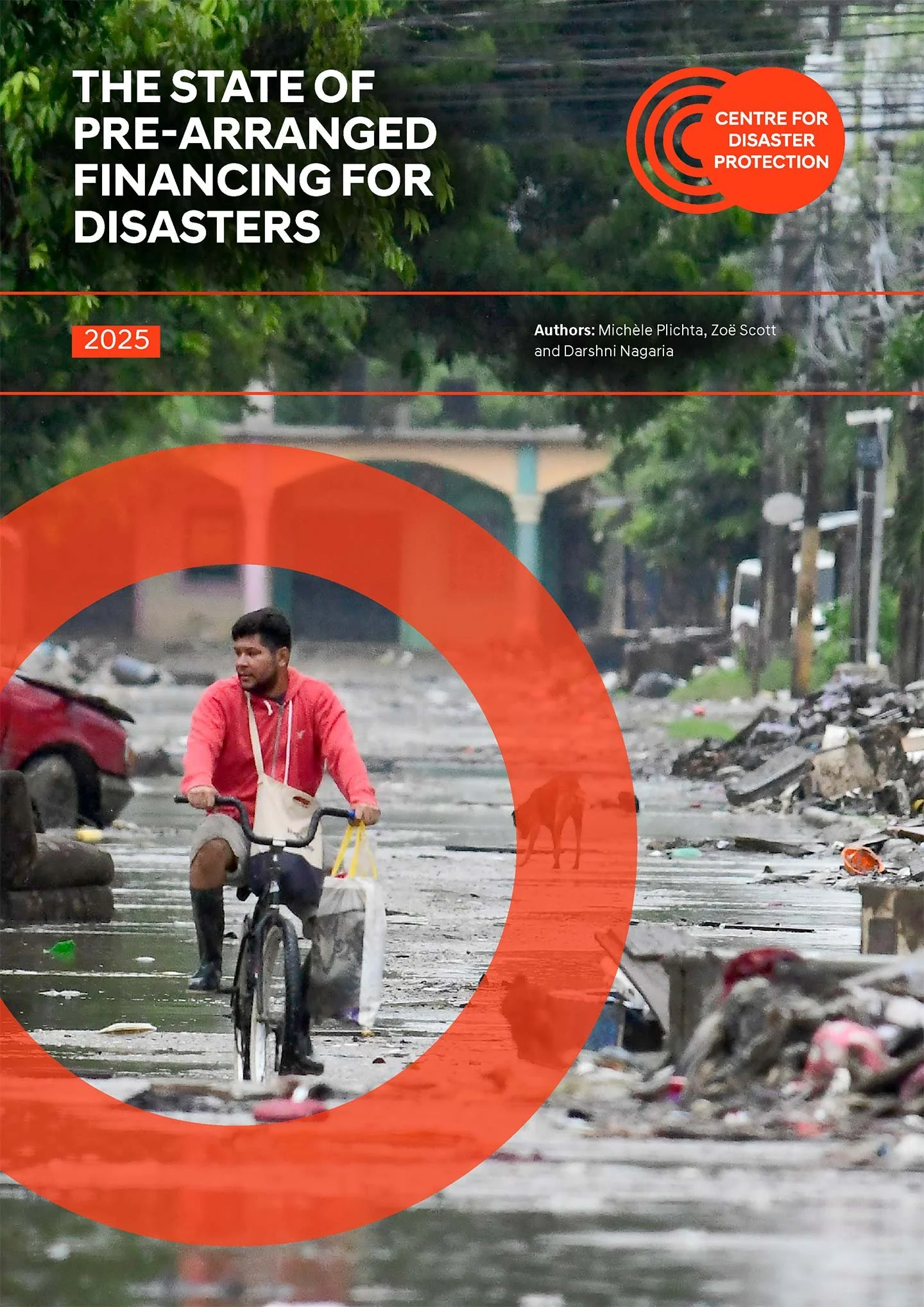
The State of Pre-Arranged Financing for Disasters 2025
Key Terms
Authored by



More Insights
.jpg)
Rewriting the rules of disaster finance
On #DRRDay, UNDRR and the Centre look at why disaster finance needs to cover disaster prevention, not just the cost of recovery.
Read more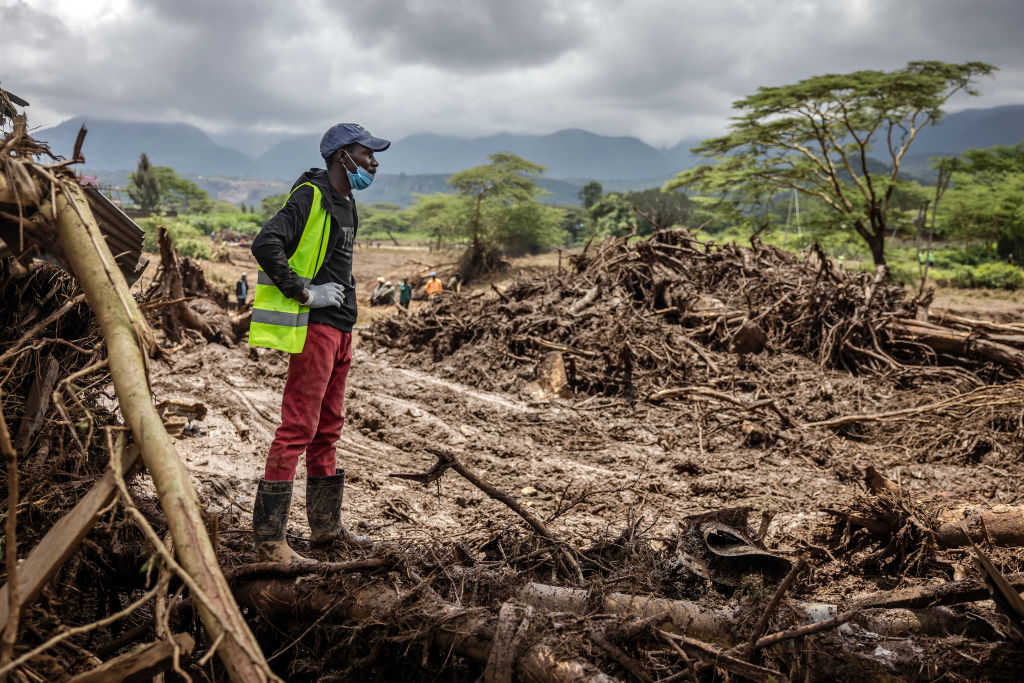
Kenya finances resilience as El Niño looms
Kenya’s new disaster risk financing strategy will be tested by a potentially record-breaking El Niño.
Read more
The DRC’s Ebola outbreak is the fastest on record. The type of financing and hurdles behind the response look almost exactly as it did seven years ago.
Read more