Malawi Anticipatory Action: Process Learning On Trigger Development
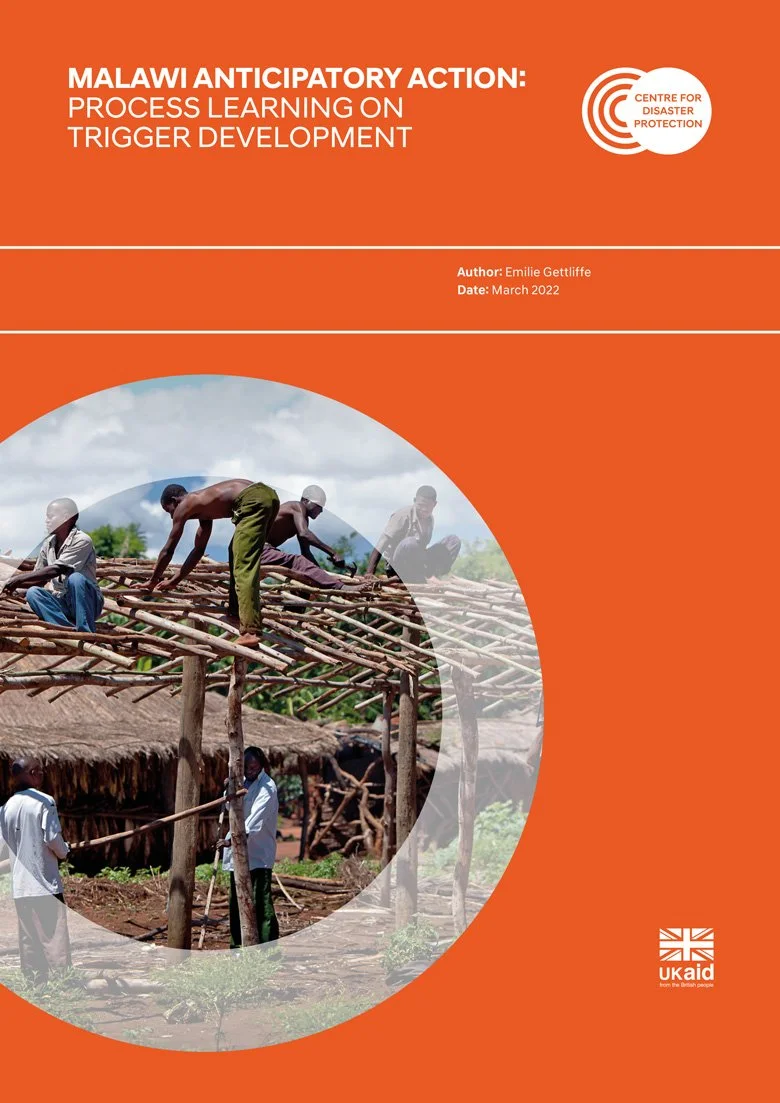
Building on growing evidence that acting prior to the onset of predictable shocks is significantly faster, more dignified, and more cost effective than traditional humanitarian response, UN OCHA has been facilitating the setup of multiple anticipatory action frameworks, including this one in Malawi. This report offers lessons on the process of developing the trigger for the Malawi AA Framework and captures lessons on how AA pilots are being designed and implemented in real time.
Key Findings
Key Terms Used In This Report
A predefined threshold that activates payments or actions within risk financing mechanisms.
Public funding flows supporting development objectives in lower income countries.
Actions taken before a crisis hits to prevent or reduce potential disaster impacts prior to a shock or before acute impacts are felt.
Related Publications

How Can Anticipatory Action Reach Scale And Sustainability? Learning From Cerf In Nepal
This report captures and builds on learning from the United Nations Office for the Coordination of Humanitarian Affairs (OCHA) anticipatory action pilot in Nepal.
Read more
How Can Anticipatory Action Reach Scale And Sustainability? Learning From Cerf In Bangladesh
This report captures and builds on learning from the United Nations Office for the Coordination of Humanitarian Affairs (OCHA) anticipatory action pilot in Bangladesh.
Read more
UN Ocha Anticipatory Action. Lessons From The 2020 Somalia Pilot
This report looks at key lessons from the UN Office for the Coordination of Humanitarian Affairs (OCHA) first anticipatory action (AA) pilot for drought in Somalia.
Read more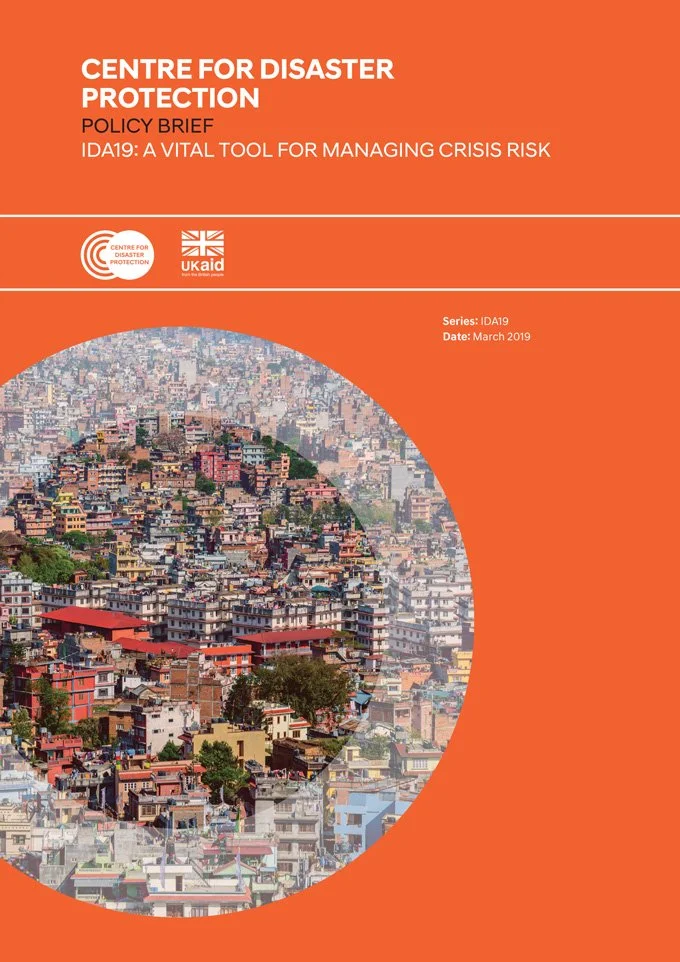
IDA19: A Vital Tool In Managing Crisis Risk
This policy brief draws on the findings of five Discussion Papers in the Centre’s IDA19 Series.
Read more