Launching: Counter Crisis Season 3
Black rain over Tonga. Crocodiles in a home in Banjul. A bustling town in Jamaica, destroyed. These are some of the opening scenes of the third season of our podcast, Counter Crisis.
Disaster risk finance can often look like an actuarial exercise, worked out in air-conditioned rooms far from where floodwater cuts off a road or where school classes are held in a tent. And it is true that the people closest to a disaster are often the furthest away from where decisions about the money to respond are made.
The third season of Counter Crisis travels that distance and meets people who are working to close it. In each episode, the policymakers and the people living with their decisions are in the same conversation for the first time.
The podcast is partly about significant sums of money moving faster than before. But it is also about the plans that didn’t hold the first time, and what it took to fix them. We follow four countries that turned to pre-arranged financing to protect their people and economies from disaster, and bring in the community leaders and international experts who discuss what it has taken to make that work.
Jamaica: Hurricane people
“We are a hurricane people. We’ve experienced this historically, and it’ll come again.” – Ron Jackson, UNDP.
Jamaica spent years building layers of financial protection against hurricanes. Alongside reserves, insurance and contingent credit, it made the controversial decision to become the first small island in the world to independently sponsor a catastrophe bond. In 2024, Hurricane Beryl caused close to a billion dollars of damage, but it didn’t cross the threshold to trigger the bond. Then in October 2025, Hurricane Melissa hit as the strongest storm ever to make landfall on the island, wiping out 40 per cent of the country’s GDP. This time, the bond paid out $150 million, and Jamaica mobilised over $660 million in total, changing the aftermath of the disaster.
Tonga: Black rain
“Cows and even pigs were wiped out. The next day, there was no more livestock. The soil is completely dry, everyone's crops here are dead, caused by the tsunami.” – Metui Taukeiaho, Kanokupolu Town Officer.
In January 2022, an underwater volcano erupted off Tonga with enough force to be heard in Alaska. The country was prepared – but not for a once-in-a-thousand-years disaster. Its insurance covered earthquakes and tsunamis, but (in the small print) did not cover volcanic eruptions. While donor money arrived within days, limited shipping meant that supplies to the most remote islands were left waiting. The country went three and a half weeks with almost no communication with the outside world. This episode hears from the disaster officials whose own boat was caught at sea on the day of the eruption.
The Gambia: Between flood and drought
“Instead of the water going to the river, the river actually comes to the town, and there are times when people see crocodiles in their homes.” – Mustapha Sonko, National Youth Service Scheme.
The Gambia has held drought insurance for years, one of the few governments in Africa to keep renewing it, but a single bad drought could cost six times the amount the policy pays. Droughts push farmers off the land and into the capital, Banjul, where new arrivals often end up in the parts of the city most exposed to flooding, for which there was barely any coverage. With climate disasters exacerbating poverty, more young people are leaving the country altogether. In this episode, we hear how The Gambia is now building a national register of vulnerable households, so that payouts can move so that people don’t have to.
India: The quiet disaster
“By the time it’s their lunchtime in the afternoon, it’s spoiled. And then they’re forced to consume that as well.” – Rajvi Joshipura, Self-Employed Women’s Association.
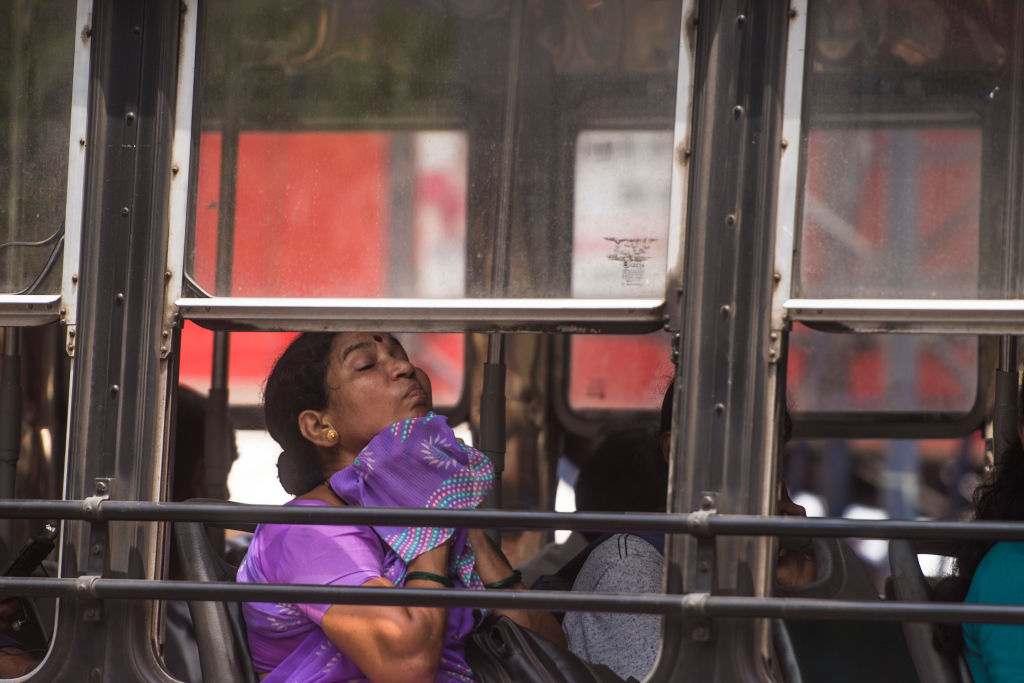
Heat doesn’t behave like other disasters: heat-related deaths are widely thought to be underreported, because the cause of death gets recorded as cardiac arrest or kidney failure. In parts of India, extreme heat now lasts for up to nine months of the year. One response has been a parametric insurance policy, now covering a quarter of a million women workers, that pays out automatically when local temperatures have been above a threshold for two days in a row. The harder questions are how to scale it, and who ends up paying the premium. The episode hears from urban researchers, India’s disaster planners, and the trade union organisers building heat insurance for a quarter of a million informal-sector women.
Five hazards, three problems
Hurricanes, a volcanic eruption, drought, flooding, and heat that won’t break. Governments everywhere are grappling with the same three problems: having enough money in place before disaster strikes, releasing it quickly, and getting it to the people who need it most. Counter Crisis follows what it takes. quickly to sponsor a catastrophe bond independently, and get it to the people who need it most. In October 2025, Hurricane Melissa made landfall as the strongest storm ever to hit when it did
The full season is out now. Listen on Spotify or Apple Podcasts.
Counter Crisis is hosted by Jeevan Vasagar and produced by The Observer.
Authored by


Launching: Counter Crisis Season 3
Welcome to the third season of Counter Crisis.
More Insights
Kenya finances resilience as El Niño looms
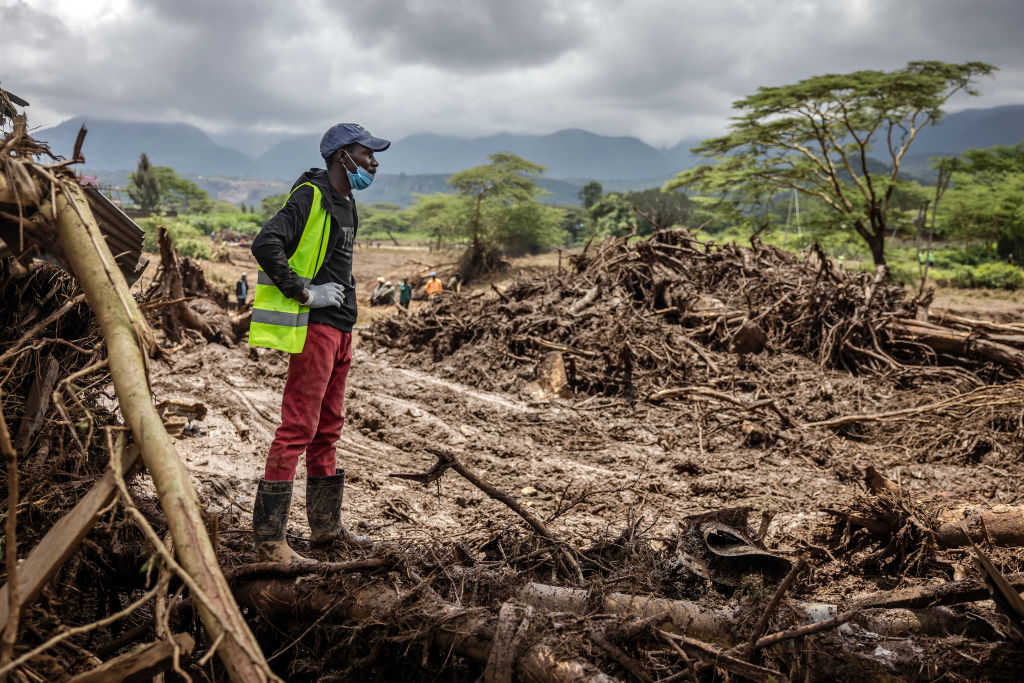
Kenya’s new disaster risk financing strategy will be tested by a potentially record-breaking El Niño.
Read more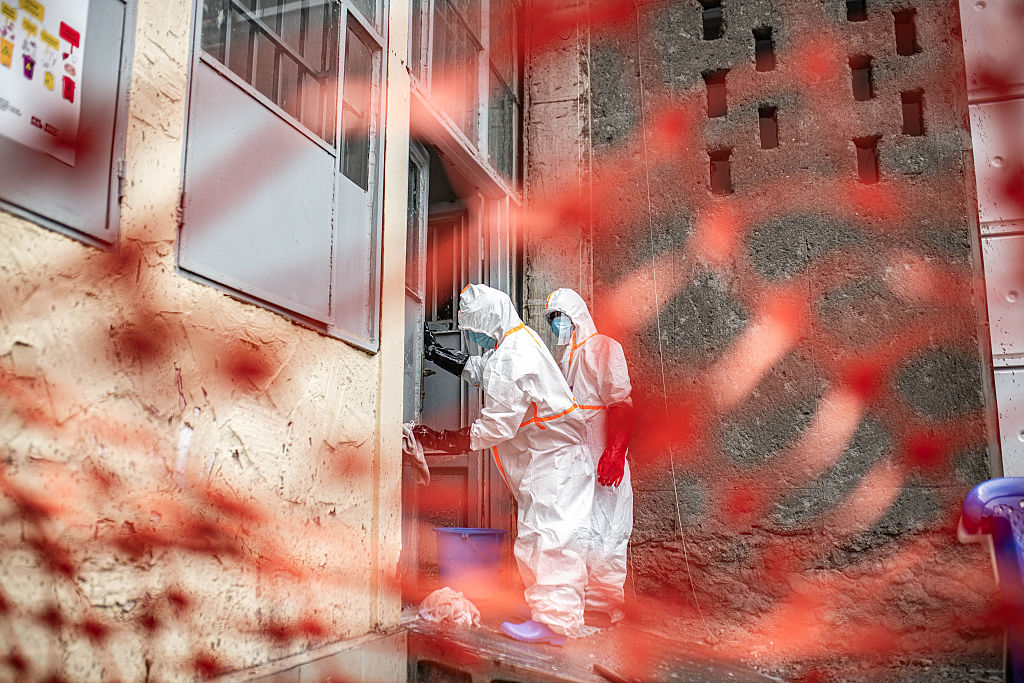
The DRC’s Ebola outbreak is the fastest on record. The type of financing and hurdles behind the response look almost exactly as it did seven years ago.
Read more.jpg)
Learning disaster risk finance the playful way
Can a game replicate real decision-making better than a workshop ever could? Layer Up!, our new simulation game, is finding out.
Read more