Inclusive climate risk finance: the idea is right, the execution is hard

How a country plans and pays for climate disasters has far-reaching consequences. Yet those decisions are often made by a small group of actors within government, often working closely with specific funders. It can be an efficient process, but it is not always effective.
Traditionally, disaster finance arrives after a crisis, when speed becomes the overriding priority and inclusion gets traded away for urgency. Pre-arranged finance changes that equation; because decisions are made before a disaster strikes, there is time to bring more voices into the room, creating a unique opportunity for more inclusive processes.
The Global Shield Against Climate Risks – a joint initiative of G7 nations and the V20, a coalition of climate-vulnerable countries – is trying to do exactly that. It created a structured process, known as the In-Country Process (ICP), in which governments consult across ministries, communities, and the private sector to identify protection gaps and priorities before requests for support are developed. Funders respond to requests informed by the experience and expertise of many, rather than the view of only a few.
This is a compelling idea, but how well is it working in practice?
The process itself has value
In many countries, responsibility for climate risk is dispersed across ministries and agencies – finance, disaster management, social protection – that do not routinely work together. Getting those actors into the same room and working toward a shared understanding is rarer than it should be.
One participant was direct about why that matters:
“I really appreciate that there was a gap analysis happening because projects are usually made on the whims and wishes of people. Very rarely does it happen that there is a proper feasibility study. Usually the donor tells you ‘we are providing funding in XYZ areas and please submit your applications.’” – ICP participant
The ICP is designed to be the alternative to that. Bringing institutions together, creating a shared understanding of risks, and turning fragmented analysis into a coherent national view of priorities are meaningful outcomes in their own right, before a single dollar of financing is committed.
But the benefits are not the same everywhere. In countries where governments already have a relatively settled view of their protection gaps, the same process can validate or refine existing priorities rather than fundamentally reshape them. Where that is the case, a lighter or re-sequenced approach may serve better.
When actors pull in different directions, confidence weakens
The Global Shield is complex. It brings together multiple actors, including the Secretariat, three financing vehicles, and governing bodies, each with different mandates, incentives, and ways of working. That diversity can be a strength: in principle, it is meant to streamline financing across what has been a historically fragmented landscape. But when those actors do not move in step, the process can become harder to understand and less convincing to those participating in it.
In some cases, financing decisions moved ahead of the inclusive process rather than following it. Some stakeholders started to feel the process was validating decisions already taken rather than a genuine gateway for mobilising and shaping support, undermining the model’s central demand-led premise. It also contributed to confusion about how the whole thing works:
“There’s a lot of confusion around who the different actors within the Global Shield are, how they interact with each other, whether they even need to interact, and what their roles are.” – ICP participant
More broadly, there were signs that some aspects of the ICP were not fully understood, especially when money entered the conversation. Governments lacked sight of likely funding envelopes and, at times, had only limited understanding of how support packages would be assembled. In some cases, expectations did not match reality.
This matters because country ownership depends not only on being formally in the lead, but on being able to navigate the process with confidence. Where the rules of the road are unclear, ownership is exercised within constraints that are only partially visible.
This points to a practical priority: closer alignment across Global Shield actors where possible, coupled with clearer communication to ICP participants on how the process operates.
Translating broad participation into meaningful engagement is no easy task
Across the case studies, participation was generally broad. Government institutions, development partners, private sector actors, and civil society organisations were brought into the process.
But being in the room did not always translate into meaningful participation, particularly for those speaking on behalf of affected communities. As one participant reflected:
“When we arrived, there was already a certain consensus about where this was going. The conversation was very technical, very insurance-focused, and it was difficult for community perspectives to reshape that narrative.” – ICP participant
For some participants, it was also difficult to see where their own experience or expertise fit into the conversation. Others described feeling at arm’s length from the process, with communication dropping off after consultations. Participation tended to work best where there was early clarity on roles and the purpose of engagement, alongside opportunities for more focused discussion and targeted input outside of large group settings.
At the same time, deeper participation takes time. The country processes took 14 to 19 months to complete, longer than the original indicative timeline. But this time cost falls in the planning phase, before a crisis, not in the response. Done well, that investment should mean faster, better-targeted support when disaster actually strikes.
A promising approach that now needs to evolve
The ICP represents a step in the right direction. It marks a departure from how major climate risk finance initiatives have typically operated, building inclusive planning into its architecture rather than treating it as an afterthought.
But getting the model right is harder than getting the idea right, and the early evidence from Pakistan, Costa Rica and The Gambia points to gaps that still need to be closed: aligned institutions that move together rather than ahead of the process; clearer communication about how decisions are made and funded; and a more deliberate approach to ensuring that different voices can genuinely shape the conversation. More inclusive approaches are harder than simple ones. They take more time, more coordination, and more judgement. But when they work, they are also more likely to produce support that countries own, trust, and use.
Read the full evaluation report here.
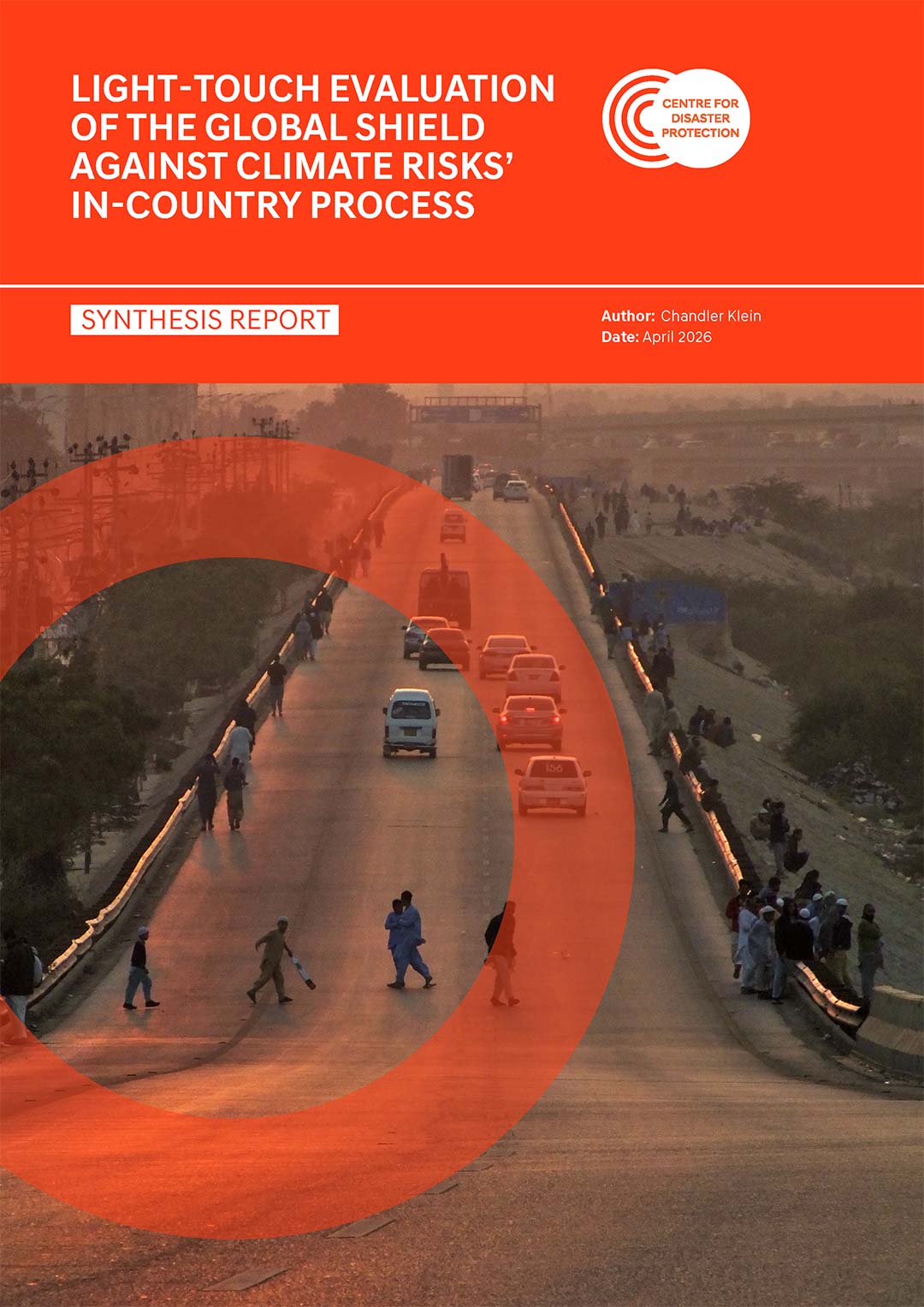
Light-Touch Evaluation of the Global Shield Against Climate Risks' In-Country Process
More Insights
.jpg)
Rewriting the rules of disaster finance
On #DRRDay, UNDRR and the Centre look at why disaster finance needs to cover disaster prevention, not just the cost of recovery.
Read more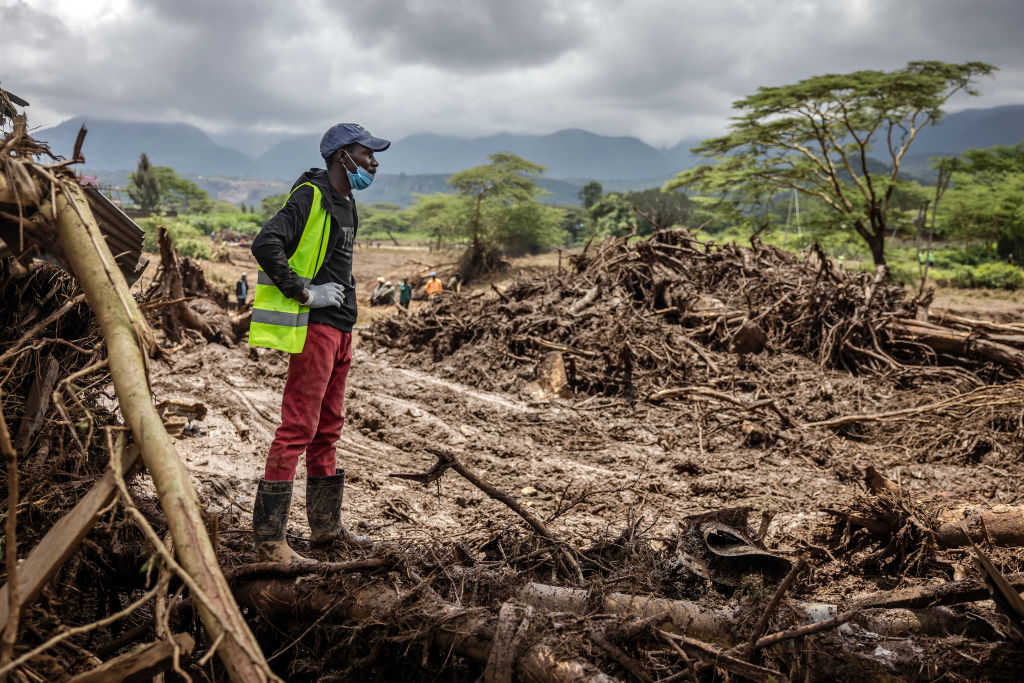
Kenya finances resilience as El Niño looms
Kenya’s new disaster risk financing strategy will be tested by a potentially record-breaking El Niño.
Read more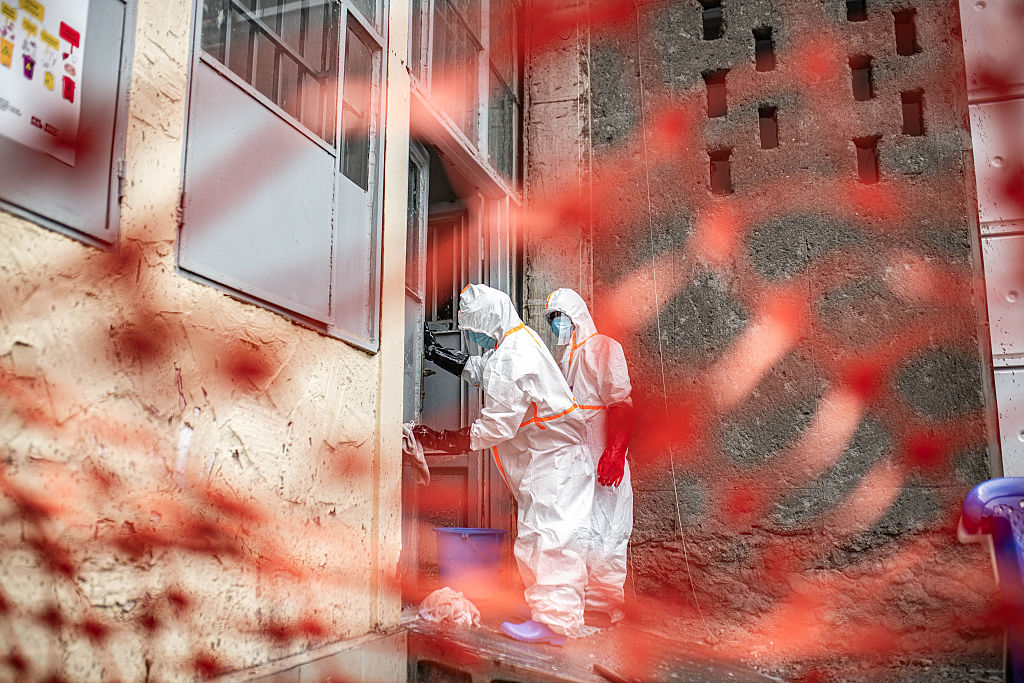
The DRC’s Ebola outbreak is the fastest on record. The type of financing and hurdles behind the response look almost exactly as it did seven years ago.
Read more