Light-Touch Evaluation of the Global Shield Against Climate Risks' In-Country Process

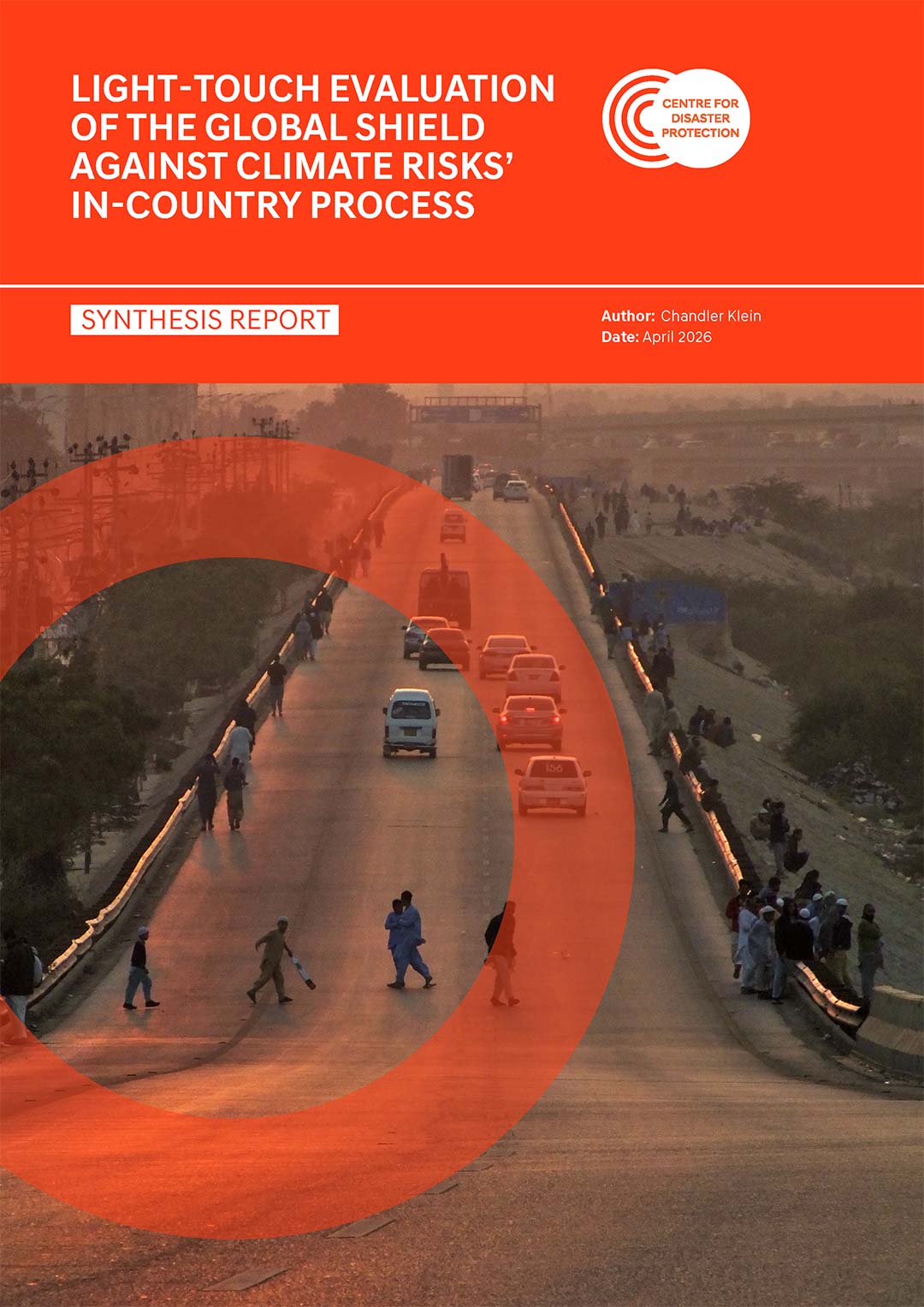
The Global Shield against Climate Risks aims to deliver better financial protection against climate and disaster risks for the world's most vulnerable countries.
This report presents an independent evaluation of its In-Country Process - the multi-step pathway through which countries identify their priorities and request support - drawing on case studies from Pakistan, Costa Rica and The Gambia.
It examines what is working, where tensions are emerging, and how the process can be strengthened as the Global Shield continues to scale.

Inclusive climate risk finance: the idea is right, the execution is hard
Climate risk finance works better when more voices are in the room. Early evidence from Pakistan, Costa Rica and The Gambia shows how that idea holds up and where it still falls short.
Read MoreKey Findings
14–19 months
The Global Shield's In-Country Process took longer than projected, pointing to the need for more realistic, evidence-based timeline guidance.
13 countries
The In-Country Process is now underway or completed in 13 countries, yet early implementation reveals persistent tensions between country ownership, inclusivity, and efficiency that need to be addressed as the process scales.
Key Terms Used In This Report
The network of global organisations funding crisis prevention, preparedness and response.
Being responsible for decisions and resources, listening to affected people, and accepting consequences for actions taken.
An analytical assessment of a country’s disaster risk profile.
Related Publications
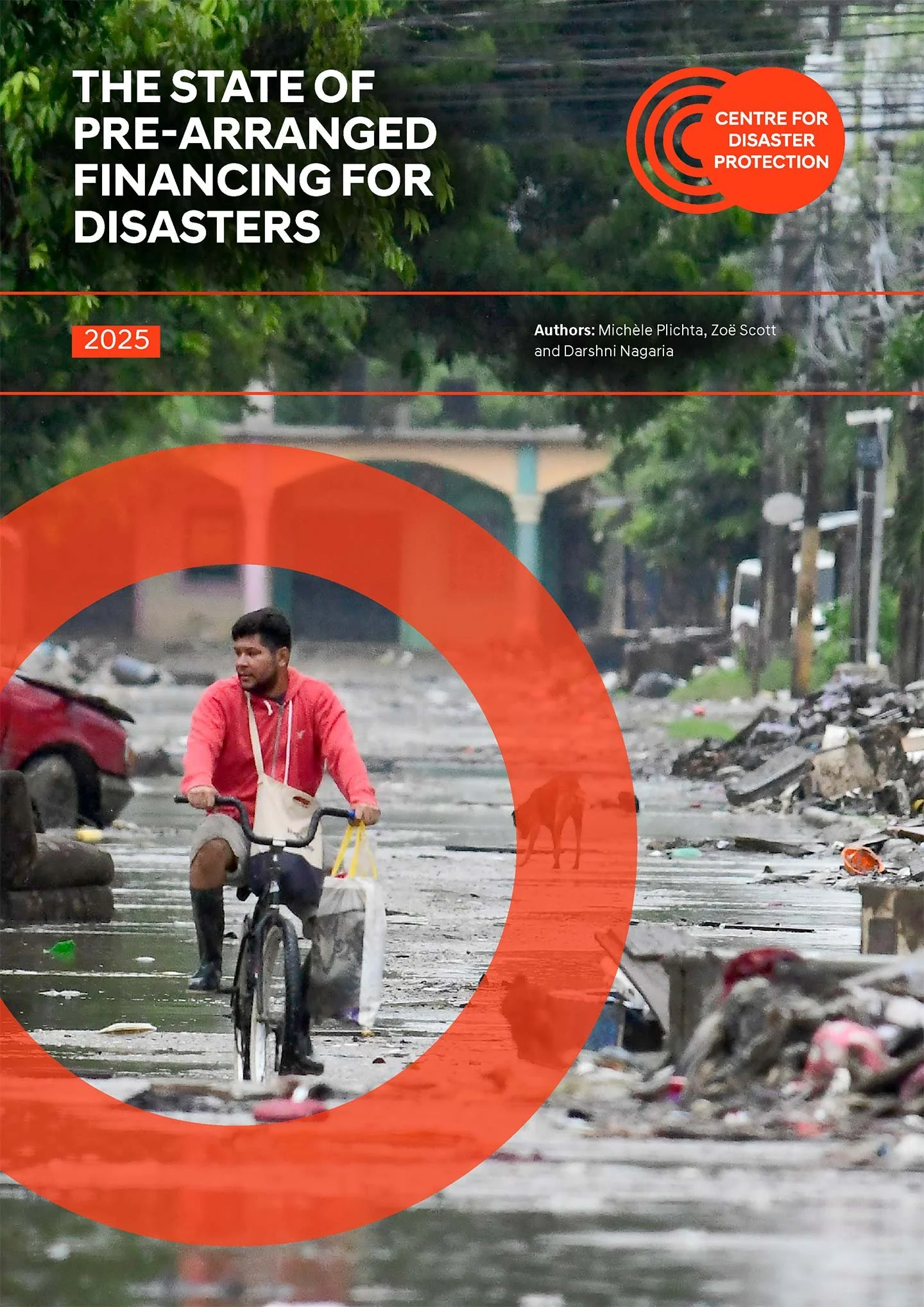
The State of Pre-Arranged Financing for Disasters 2025
This is the third year that the Centre for Disaster Protection has published its flagship report, and this year it goes further than ever before.
Read more
Assessing Value For Money In Pre-Arranged Financing For Disasters: A Practical Framework
This guidance note has been developed to help the increasing number of countries and organisations that are considering or using pre-arranged financing instruments.
Read more
Disaster Risk Financing Term Sheet: Debt Pause Clauses
A practical note on Debt Pause Clauses, the first of a series of documents designed to help governments and practitioners understand and compare financial instruments.
Read more