International crisis financing system
The network of entities that provide or receive international development financing in order to enhance, support or substitute for state provision to address the risks or impacts of crisis. There is no single cohesive ‘system’ in terms of governance, coordination or operation, but the term can be a useful short-hand to refer to the group of institutions and operational organisations involved in both the current international aid effort and the proposed future effort (the Centre, based on ALNAP 2018).
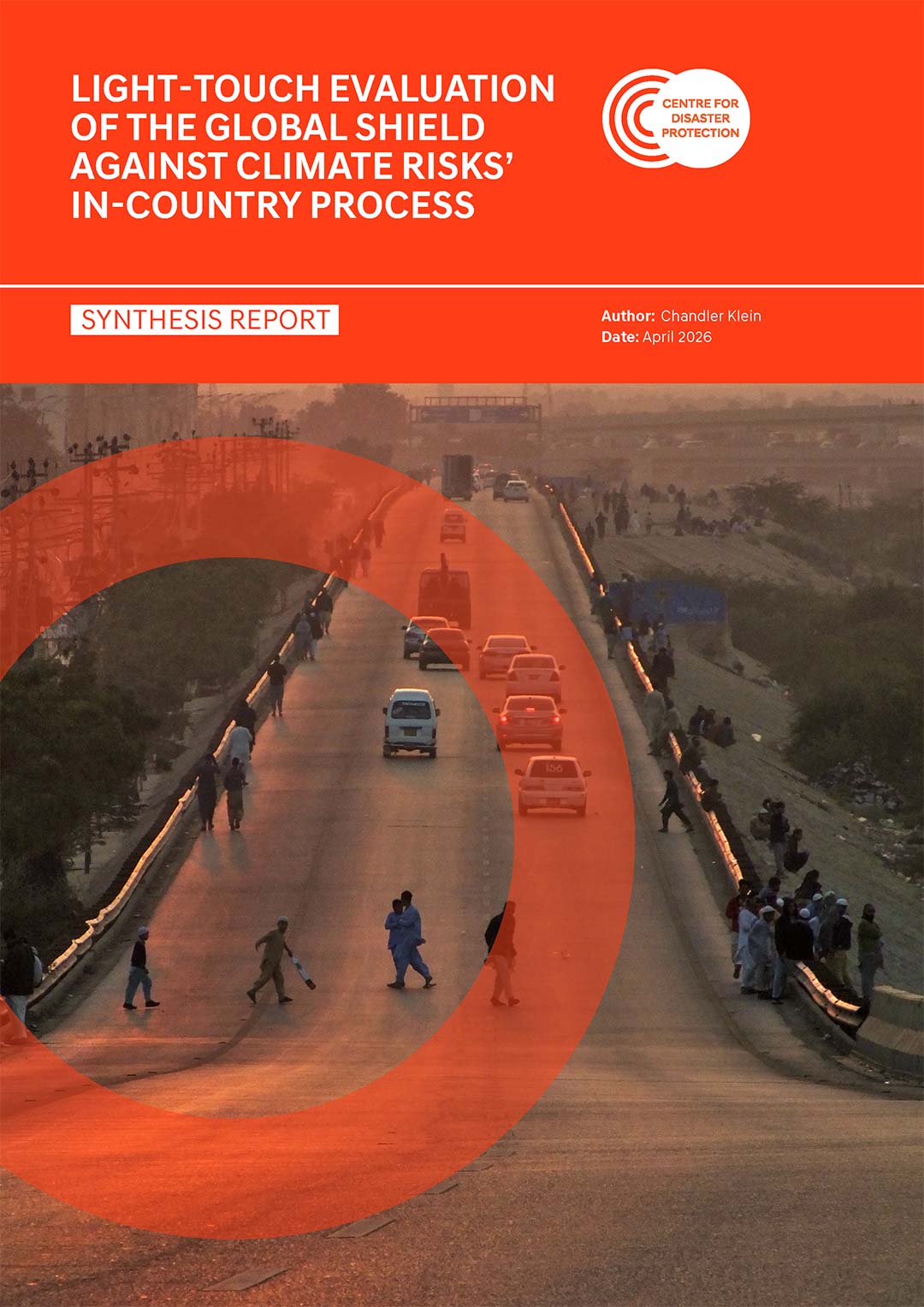
An independent evaluation of the Global Shield's In-Country Process, examining what works, what doesn't, and how the approach can be strengthened for future rounds.
Read more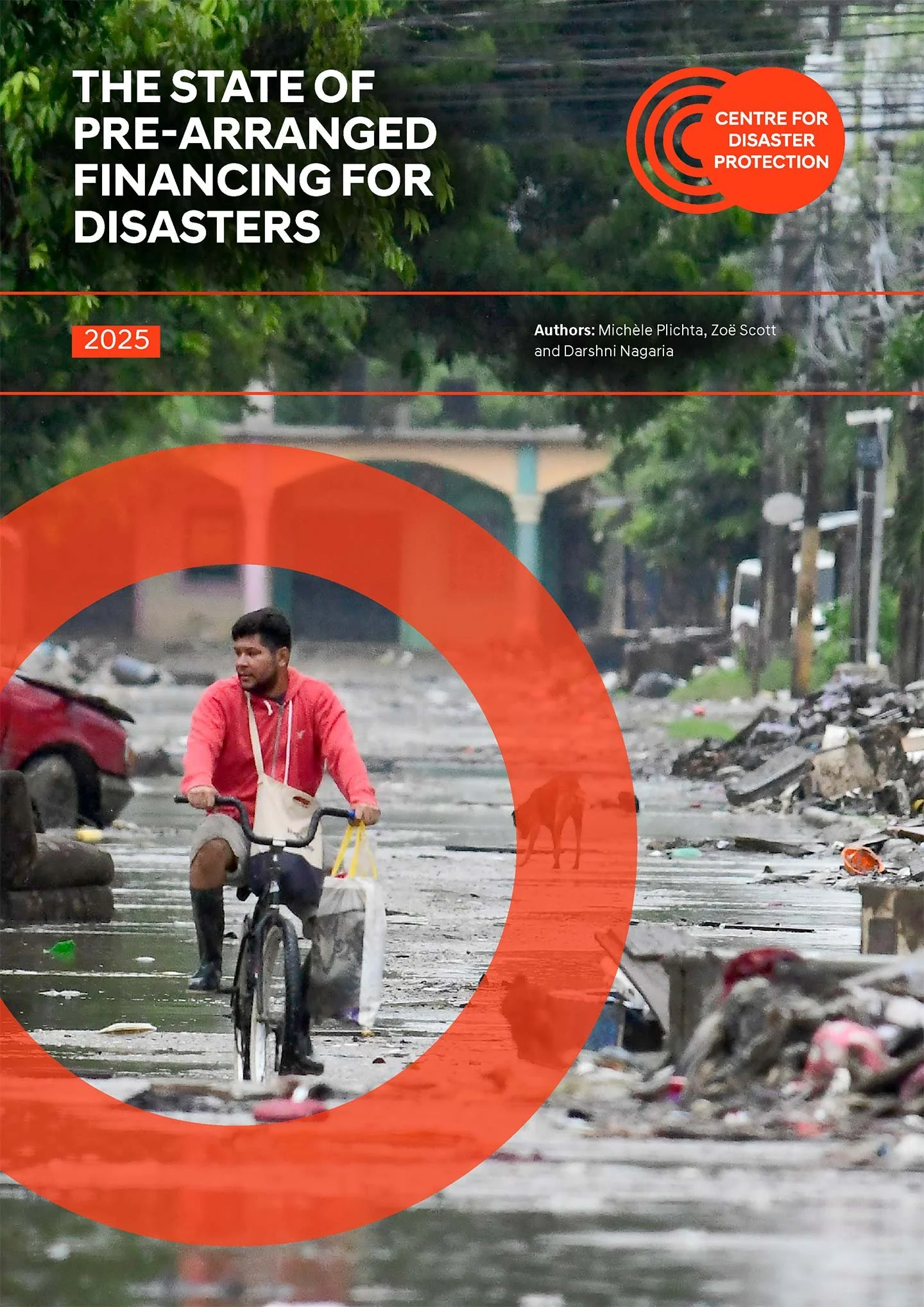
This is the third year that the Centre for Disaster Protection has published its flagship report, and this year it goes further than ever before.
Read more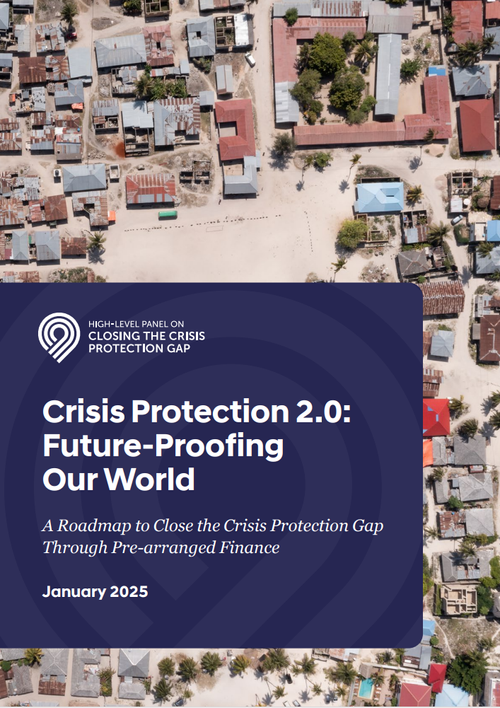
This report outlines ten strategic recommendations for closing the crisis protection gap, providing an ambitious roadmap for the next decade.
Read more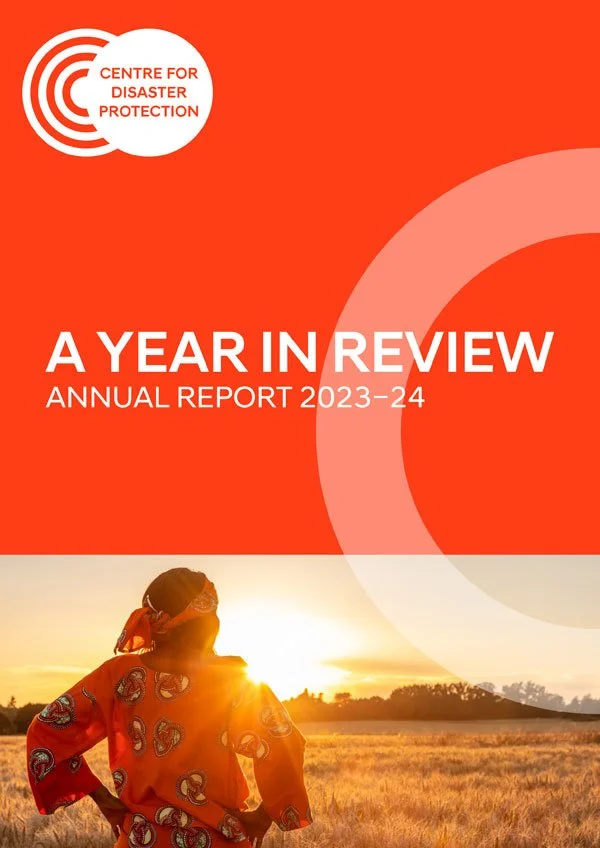
A Year in Review is the Centre’s first published annual report. It details our progress and the challenges we’ve encountered, and showcases our impact.
Read more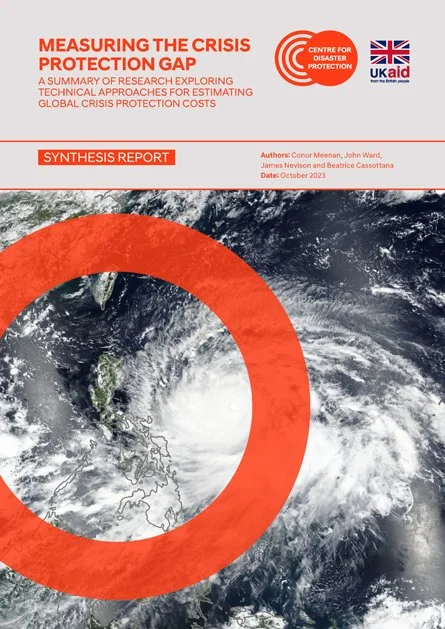
This report synthesises research exploring the feasibility of producing quantitative estimates of the costs of crisis protection across a variety of geographies and crisis types.
Read more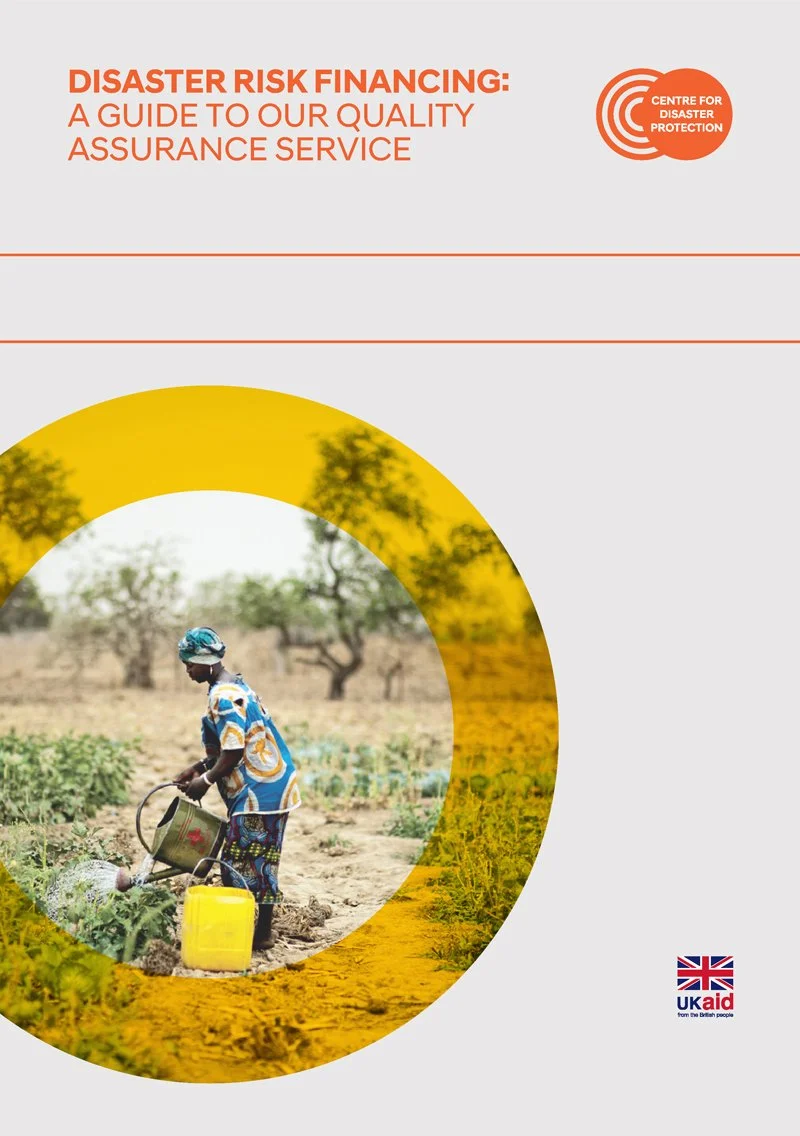
This guidance note provides an overview of the Centre for Disaster Protection’s quality assurance service—a free-to-use and impartial service.
Read more
This cross-country synthesis study calculates what the opportunity cost of budget reallocations was during the Covid-19 pandemic.
Read more
A landmark new report from the Centre for Disaster Protection.
Read more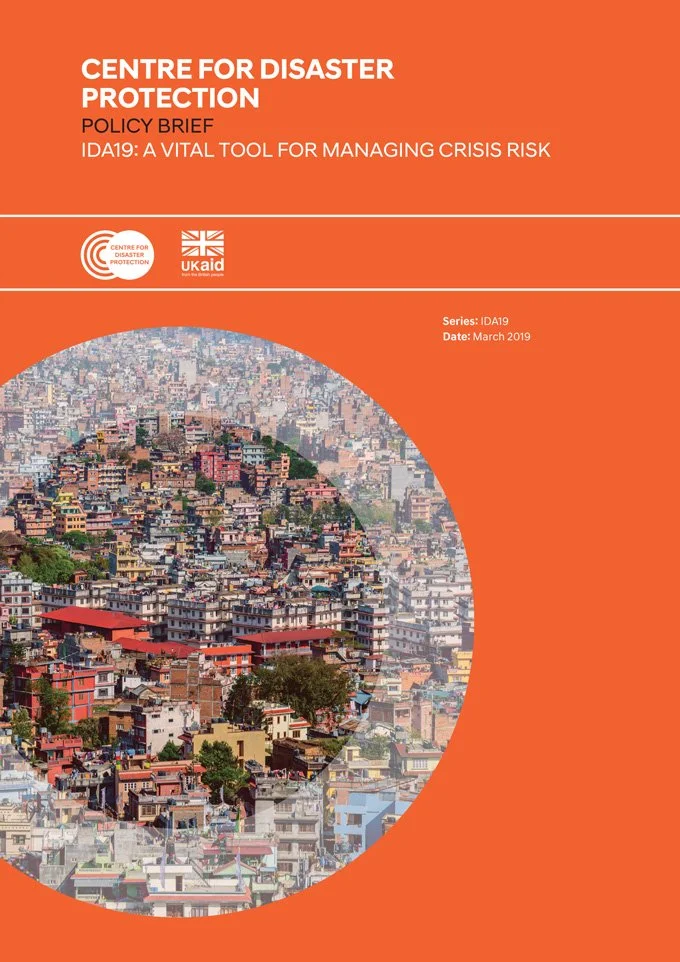
This policy brief draws on the findings of five Discussion Papers in the Centre’s IDA19 Series.
Read more
This paper outlines the current state of anticipatory action and discusses some of the existing evidence on its impact.
Read more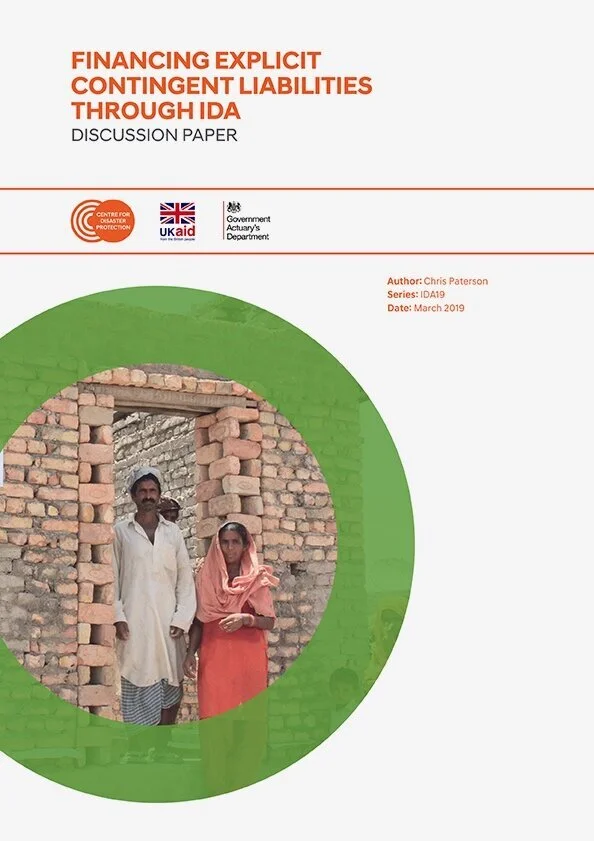
This paper proposes an innovative approach to financing contingent liabilities using IDA.
Read moreVulnerability
Conditions that increase how severely people or communities are affected by hazards.
Preparedness
Skills, systems and resources developed to respond effectively to likely future crises.
International premium support
Premium support is international funding to pay for insurance premiums.
Crisis financing
Funding designed to prevent, prepare for and respond to crises before and after they occur.
Pre-arranged financing
Financing approved before crises that is released automatically when agreed triggers are met.
Index
A measurable indicator used to estimate losses and trigger financial payouts.