A Year in Review
Annual Report 2025-26
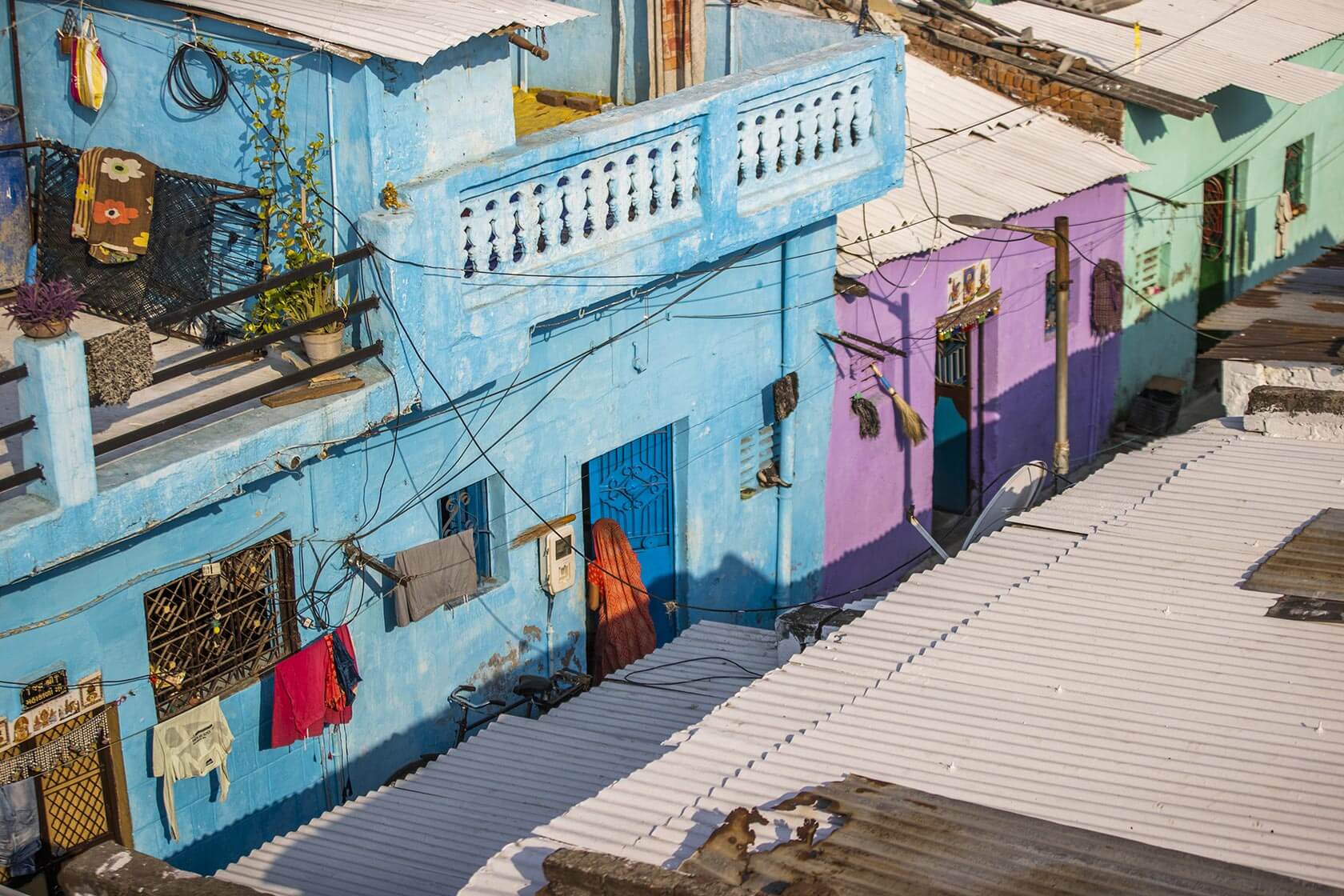
Pre-arranged financing moved into the headlines and the mainstream of the climate and development agendas this year and as more countries plan for disasters rather than react to them, international cooperation on development is shifting.
For the Centre, this has been a year of momentum. We published a new strategy at the start of the year, sharpening our focus on country ownership, regional partnerships and a more sustainable funding base.
Our mission remains the same: to change how the world plans and pays for crises, to protect lives and livelihoods. What has changed is our confidence. We are entering new partnerships, helping more countries plan and pay for disasters themselves, and pushing the international system to better protect the people most at risk.
Our Impact

Kenya: A new generation of disaster risk finance
In June 2026, Kenya replaced its old drought-focused strategy with a nationally led plan to finance every type of disaster, from prevention through to recovery.
It's among the first 'second-generation' strategies of its kind.The Centre helped build it around Kenya's risk profile rather than by what instruments were on offer.

Ethiopia: Funding its own resilience
Ethiopia now pays for disaster response from its own economy. Since November 2025, a small levy on financial transactions has fed a national disaster reserve the government can tap into the moment drought or flood hits.
The Centre developed a value-for-money framework, and trained senior government officials to use it, which the government then used to make the case for the reserve as a national priority.
Pre-arranged finance reaches G20 leaders
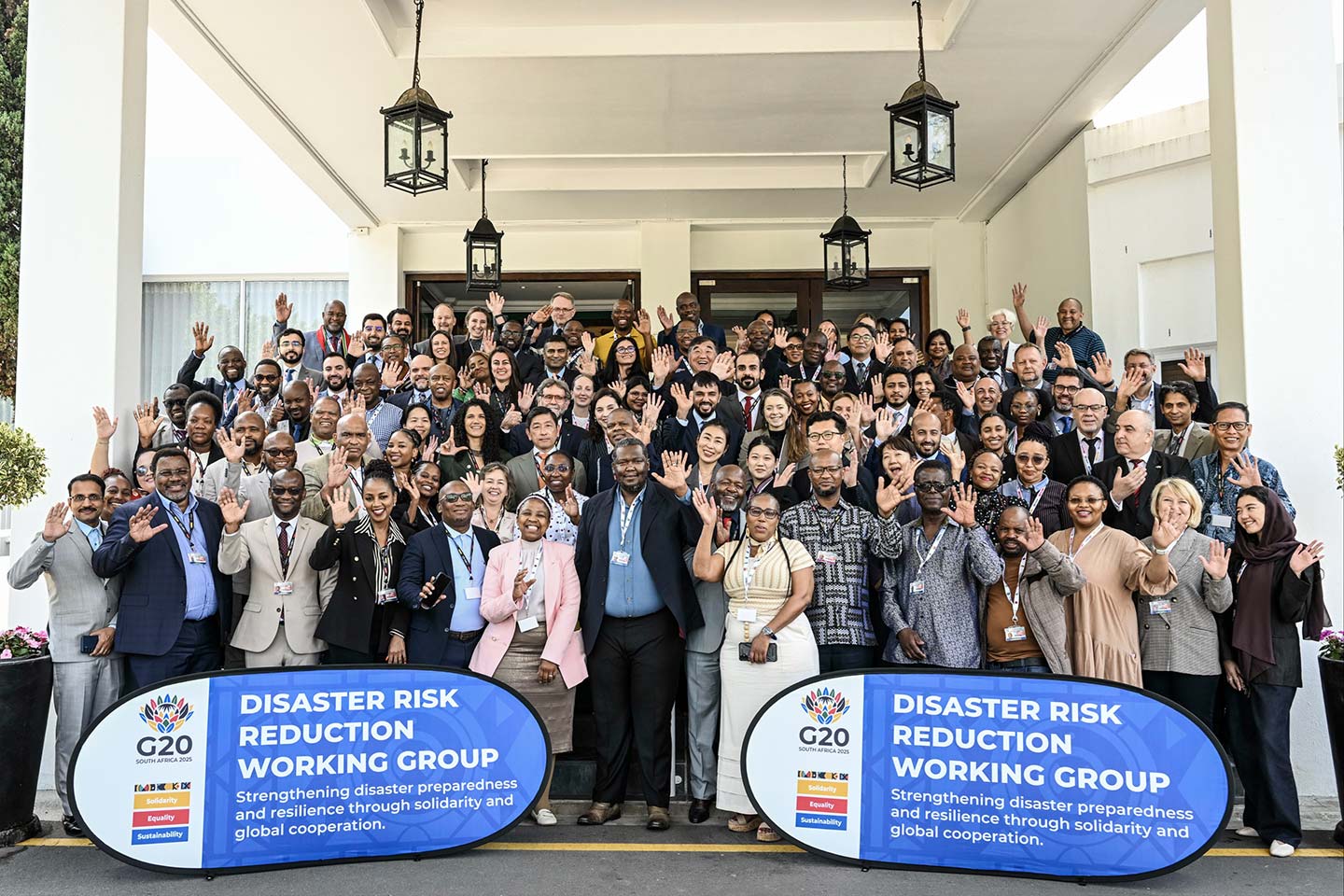
In November 2025, the G20 Leaders' Declaration recognised pre-arranged financing as part of disaster resilience. It's the first time the world's largest economies have endorsed the idea at head-of-government level.
When the Centre started working with the G20, governments didn't use the term at all. We made the case country by country, linking it to debt, inequality and climate vulnerability. Indonesia, Brazil, South Africa and India became champions, and the idea made it into the leaders' text.
.jpg)
UK: The first official government figures on pre-arranged finance announced
In May 2026, the UK became the first donor government to publish official statistics on how much it spends on pre-arranged disaster financing. It reported £66.6 million in 2024-25 and £258.3 million since 2021.
The Centre has called for this kind of transparency for more than four years, and our annual State of Pre-Arranged Financing reports showed it was possible to measure. The UK's figures are based on our methodology and definitions and we expect other donors to follow.
"One of the main advantages that I see of the Centre for Disaster Protection is that you’re in the perfect position to be able to provide completely impartial advice."

Most read
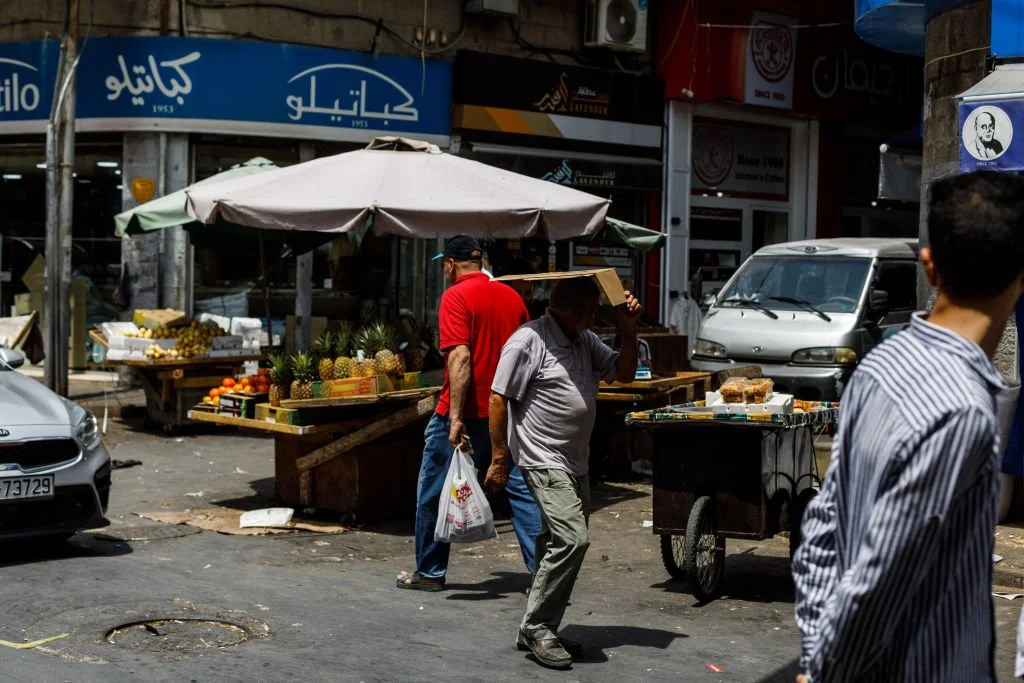
As climate shocks accelerate, Jordan’s challenge is no longer whether support exists, but whether it can move fast enough to those who most depend on it.
Read More
Debt is seen as a symbol of injustice. Jamaica’s response to Hurricane Melissa suggests that, deployed deliberately and in advance, it can steady an economy in the storm.
Read More
Hurricane Beryl in July 2024 presented an early test in the season for Jamaica’s disaster preparedness.
Read MoreCounter Crisis
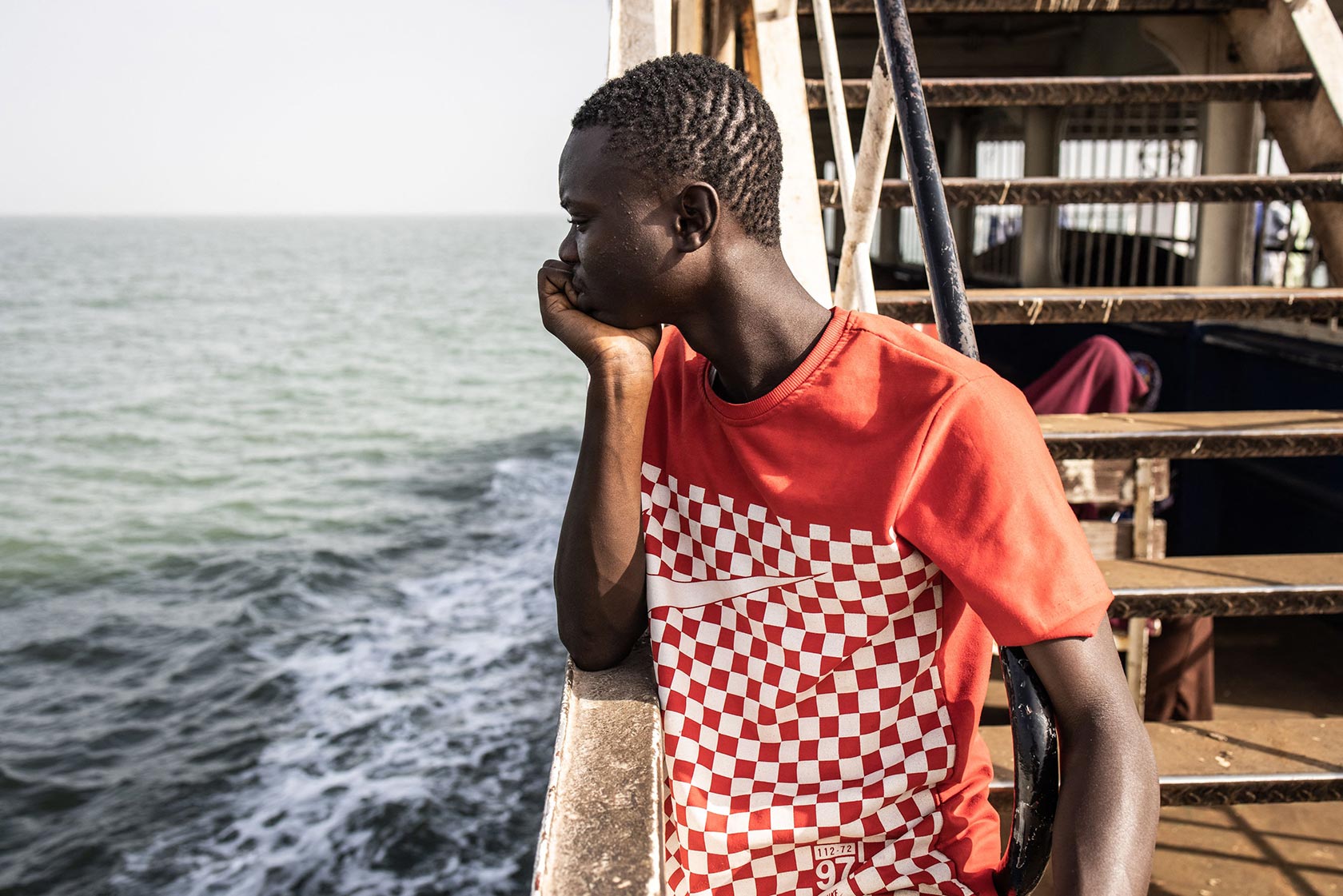
Counter Crisis, the Centre’s podcast series produced with The Observer, released its third season this year, with reporting from Jamaica, Tonga, The Gambia and India.
Each episode, centres on the people directly affected by disasters and the officials working on their behalf.


An Introduction to Season Three
Welcome to the third season of Counter Crisis.
Research Highlights
.webp)
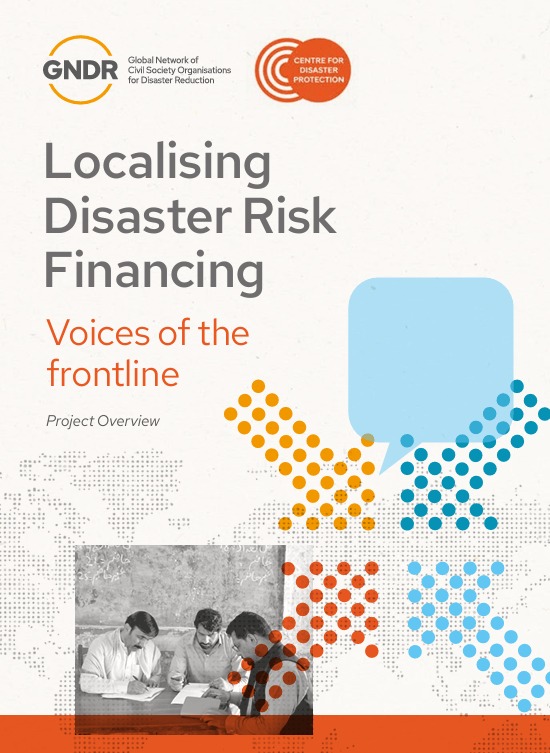
The State of Pre-Arranged Financing Dashboard
Our new interactive dashboard brings disaggregated, country-level data together for the first time so that governments, practitioners and researchers can explore how financial protection is actually used in practice.
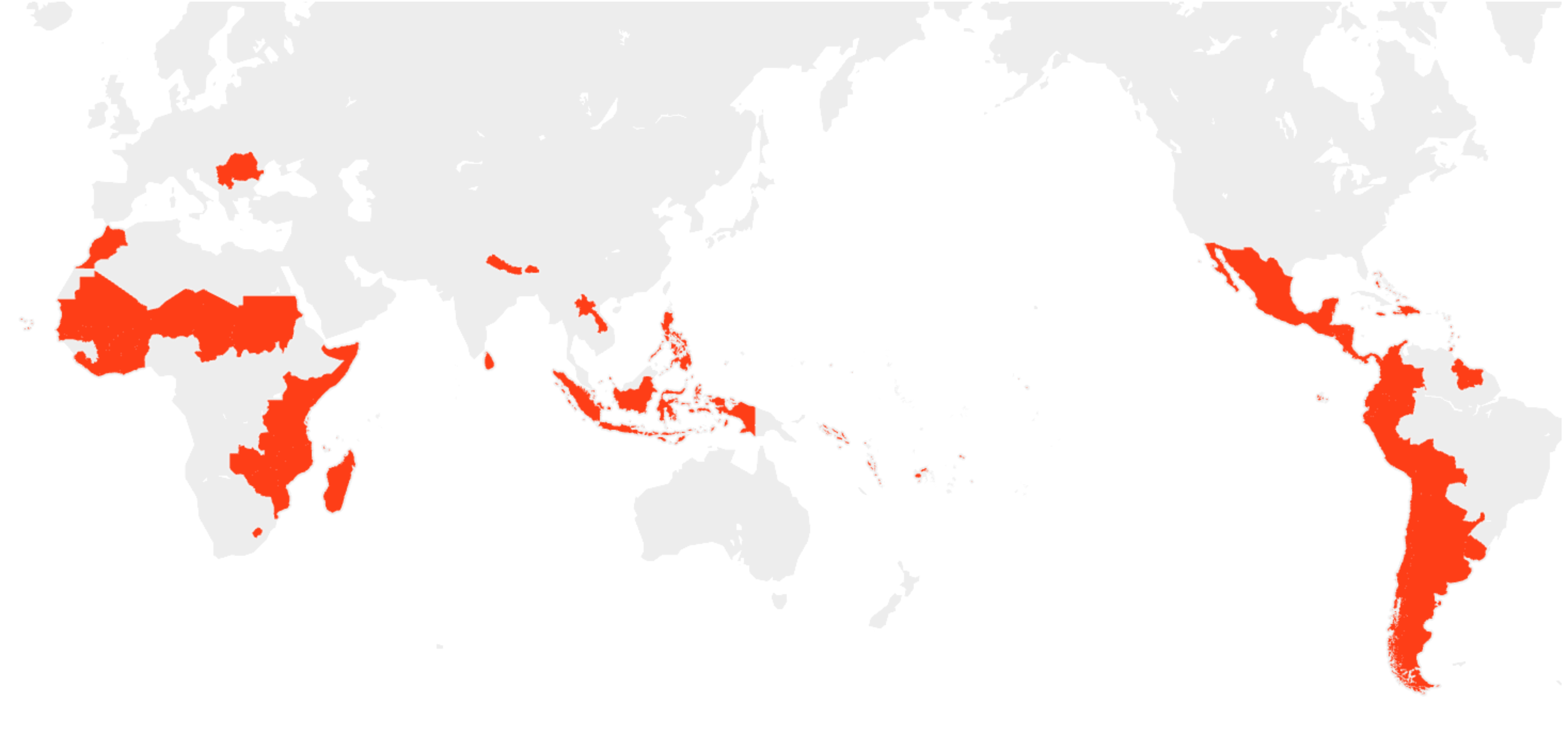
The Annual Report
This year tested how the Centre’s new priorities held up in practice, and the results are reflected in deepened country engagement, the launch of Labs, and new funding relationships, delivered by a small team of experts against a mission that has only grown more urgent, and with partners whose commitment matched it.
In the year ahead,we will continue to live our values and strengthen our relationships as we invite new partners who share our vision to work with us.