IDA20 replenishment - time to redesign international aid architecture
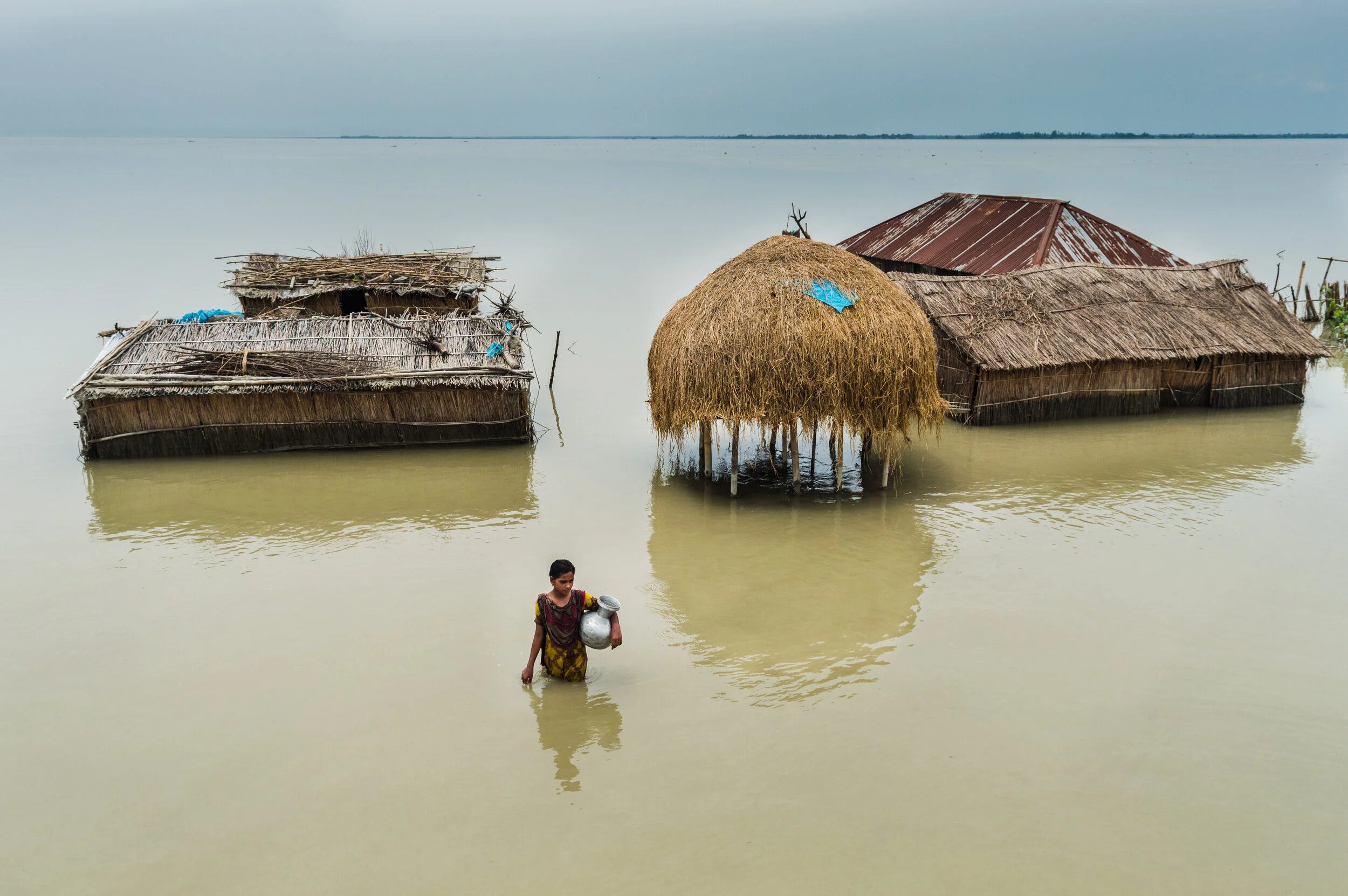
Responding to recent IDA20 replenishment announcement, the Centre’s Daniel Clarke says it’s time to look through a different lens and shift the coversation to what’s really needed.
“How much everyone is putting into the hat is the story of the day with the most recent IDA replenishment - but the conversation we should be having now is one about redesigning our international aid architecture to go beyond pots of money and loans.
“Despite warnings, the international system had no financial plan for something like covid-19; a mere 2% of funding to tackle the pandemic was pre-arranged. Putting plans and finance in place that can be triggered the moment the signs of a disaster present themselves is not only a more reliable and dignified approach for those receiving assistance, it can also protect more people with the same amount of money. Despite some progress through its crisis preparedness cross-cutting theme, IDA20 has made no commitment to the amount of pre-arranged funding it will help countries to secure, even though we have the science and financial tools to predict and prepare for tomorrow’s disasters.
“If we want to live in a world without crises and to protect the poorest and most vulnerable communities, we need an international system that understands and prioritises managing crisis risk, underpinned by a more appropriate crisis finance architecture. As a global community we should be asking ourselves how to get there, not just how much money is being committed to IDA today.”
For more views, visit Latest News and Blogs.


More Insights
.jpg)
Rewriting the rules of disaster finance
On #DRRDay, UNDRR and the Centre look at why disaster finance needs to cover disaster prevention, not just the cost of recovery.
Read more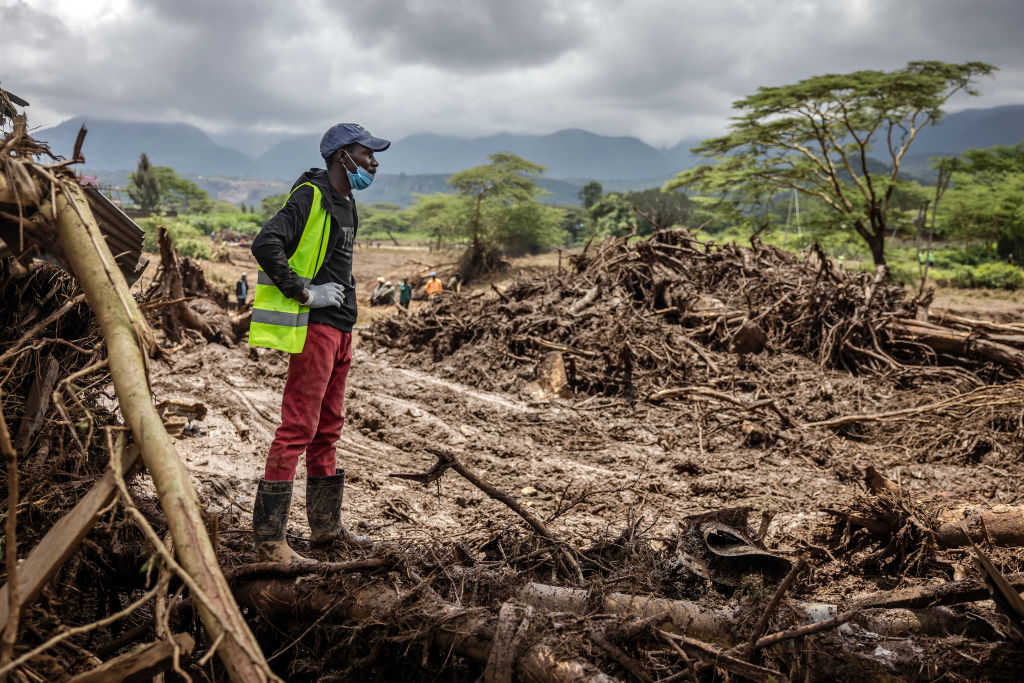
Kenya finances resilience as El Niño looms
Kenya’s new disaster risk financing strategy will be tested by a potentially record-breaking El Niño.
Read more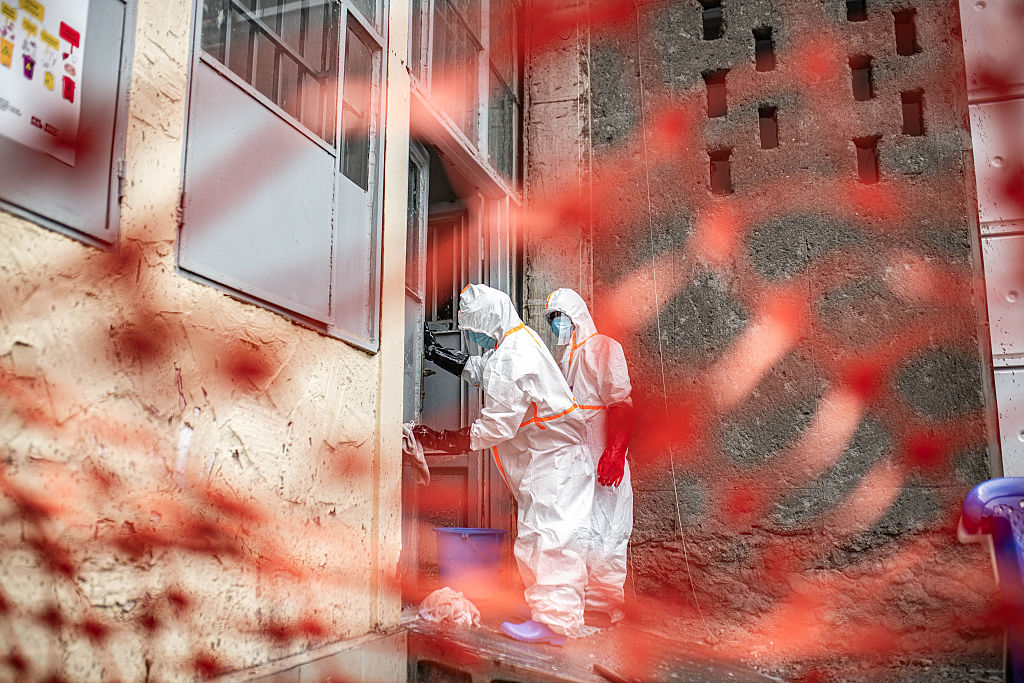
The DRC’s Ebola outbreak is the fastest on record. The type of financing and hurdles behind the response look almost exactly as it did seven years ago.
Read more