Blogs
.jpg)
Rewriting the rules of disaster finance
On #DRRDay, UNDRR and the Centre look at why disaster finance needs to cover disaster prevention, not just the cost of recovery.
Our new Insight Paper examines an innovation in sovereign debt contracts that may be groundbreaking in its potential impact – a debt pause clause.
Read more.webp)
In August 2022, extreme monsoon rains exacerbated by glacial melt runoff, resulted in catastrophic floods in Pakistan.
Read more
The Chile cat bond – taking the temperature
In this insight, Lead Risk Finance Adviser Conor Meenan explores why countries might choose to buy risk transfer even when costs are high and discusses aspects of the bond that affect its final price.
Read more
When disasters strike, governments are often forced to raid their existing budgets and make difficult trade-offs to finance emergency relief and recovery.
Read more
There is growing operational convergence between disaster risk finance and social protection, notably cash transfer programmes. But where does gender fit into these discussions?
Read more.webp)
The chance of another deadly pandemic is significant, but the current level of global investment in PPR does not yet provide the kind of protection the world needs for effective response.
Read more-web.webp)
As part of a series of conversations tackling the sticky questions around disaster risk and climate change finance, Centre experts seek to address key questions around climate change-induced losses and damages, and the role of disaster risk finance in tackling them.
Read more
With the hoopla of COP, you would be forgiven for missing a modestly-attended panel discussion on The Case for Climate Resilient Debt Clauses, a superficially simple idea that nonetheless could help pivot hundreds of billions of dollars towards tackling disaster risk.
Read more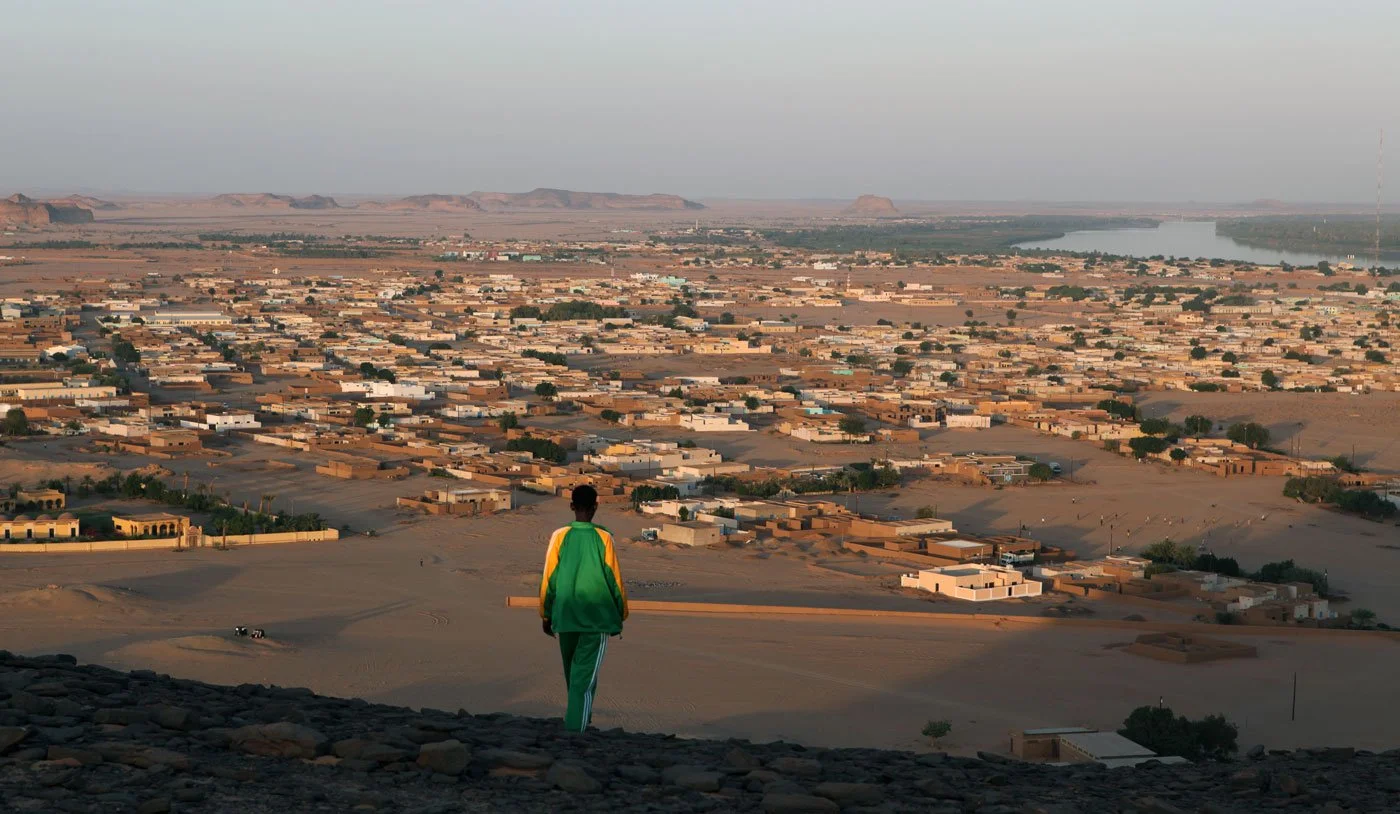
The Sahel G5 group of countries- Burkina Faso, Chad, Mali, Mauritania, and Niger- are increasingly poised between promises of stability and growth and the mounting sources of stress and uncertainty that could mire the region’s progress.
Read more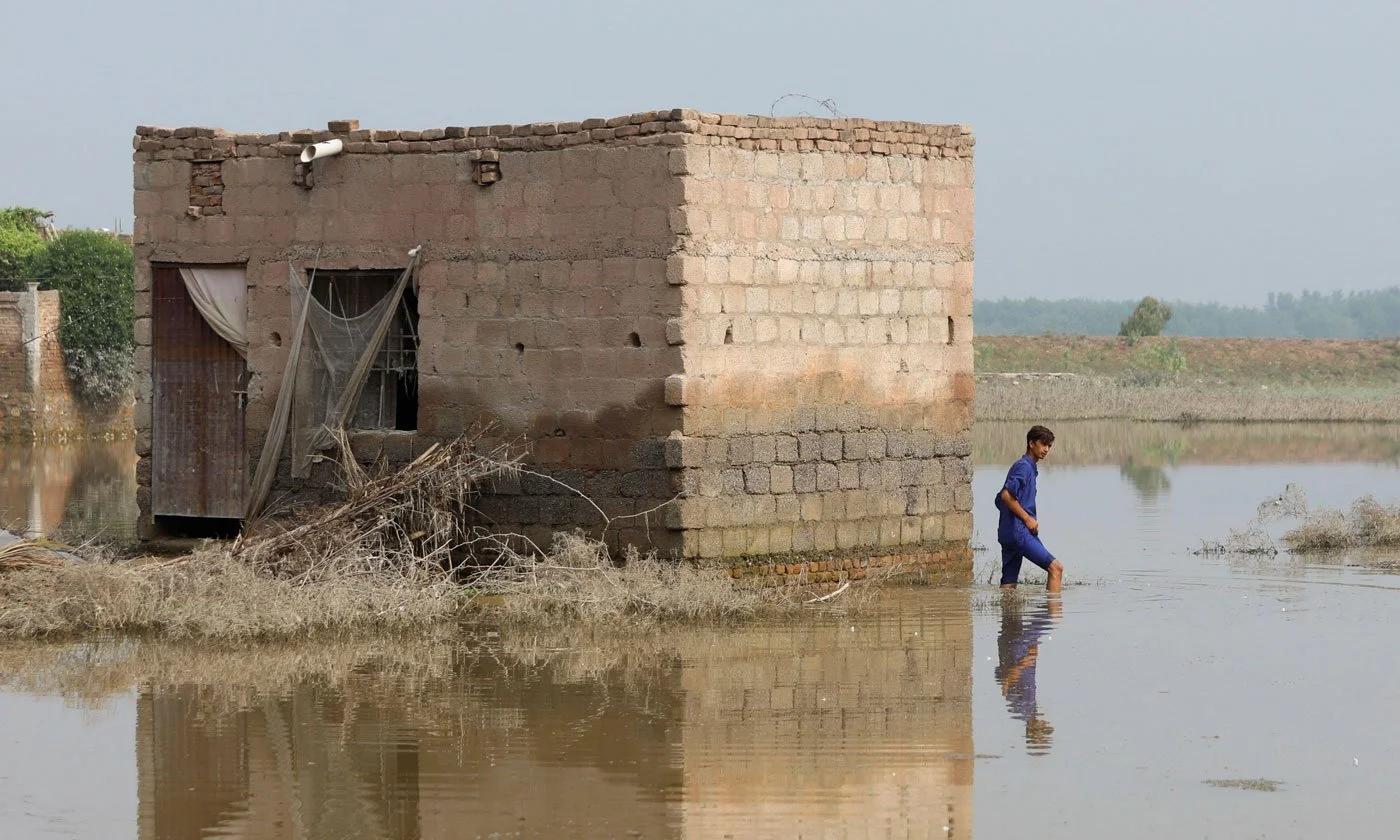
Uneasy bedfellows? The role of Disaster Risk Finance in tackling climate-induced losses and damages
A new evidence review from the Centre for Disaster Protection and ODI introduces the key issues around climate change-induced losses and damages and the role that DRF mechanisms could play in tackling them.
Read more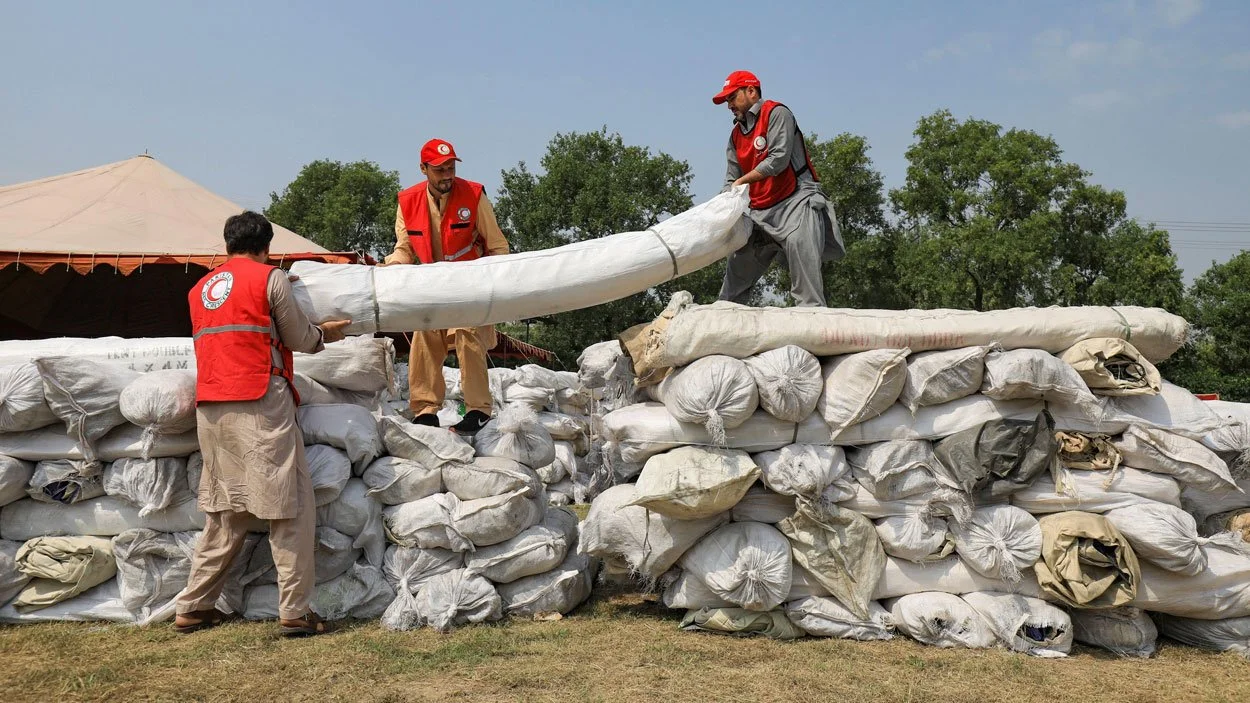
Pakistan is in trouble. Heavy monsoon rains have flooded an area the size of the UK. The country’s National Disaster Management Agency estimates that 33 million people are affected.
Read more
Between spring 2020 and early 2022, the Centre supported OCHA in undertaking process learning on four anticipatory action (AA) pilots in Somalia, Bangladesh, Ethiopia, and Malawi.
Read more
Humanitarian Insurance: Weighing the Options
The obvious next question for humanitarian actors and donors is simple: "when is risk transfer a good option?".
Read more
Insurance can be a useful tool for managing the unpredictable costs of disasters. But humanitarians have a number of particularities linked to their principled approach, their funding and operating models.
Read more
Last month, the Centre hosted the executive leadership and technical experts for a Risk Pool Summit for two days of knowledge sharing, strategic alignment, and collaboration.
Read more.png)
Humanitarian actors are seeking to better anticipate tomorrow’s crises, and prearrange funds to pay for responses that are still yet to happen.
Read more.jpg)
Humanitarian Insurance: Risk Transfer 101
In the first in a series of three blogs, Conor Meenan, Lead Risk Finance Specialist for the Centre, sets out to explore the role for risk transfer instruments – such as insurance - in a humanitarian context.
Read more%20(1).webp)
We are excited to announce that Theodore Talbot, Cristina Stefan, Omaira Chaudhry and Jessica Texter will be joining the team bringing years of experience across a diverse range of sectors.
Read more
What the funding response to the crisis in Ukraine tells us about the state of crisis financing
This blog by Michèle Plichta reflects on the international crisis financing response to date and what this tells us about the state of how the world pays for disasters.
Read more
Mairi Dupar, Senior Technical Advisor for ODI tells us why the emergent pre-agreed disaster risk finance agenda cannot afford to be gender blind and calls for DRF mechanisms which bring transformative benefits to women and girls.
Read more