Basis risk
Basis risk is the difference between an index and the shock that the index is supposed to be a proxy for. A payout triggered by an index may be higher or lower than the beneficiary's losses, leading to overpayment or shortfall respectively. Where there are differences of opinion amongst stakeholders over what the index is supposed to be a proxy for, the precise definition of basis risk can be contested. For example, disagreement may arise over whether an agricultural insurance product that uses a rainfall-based index covers drought-induced crop disease and pest damage (Centre for Disaster Protection).
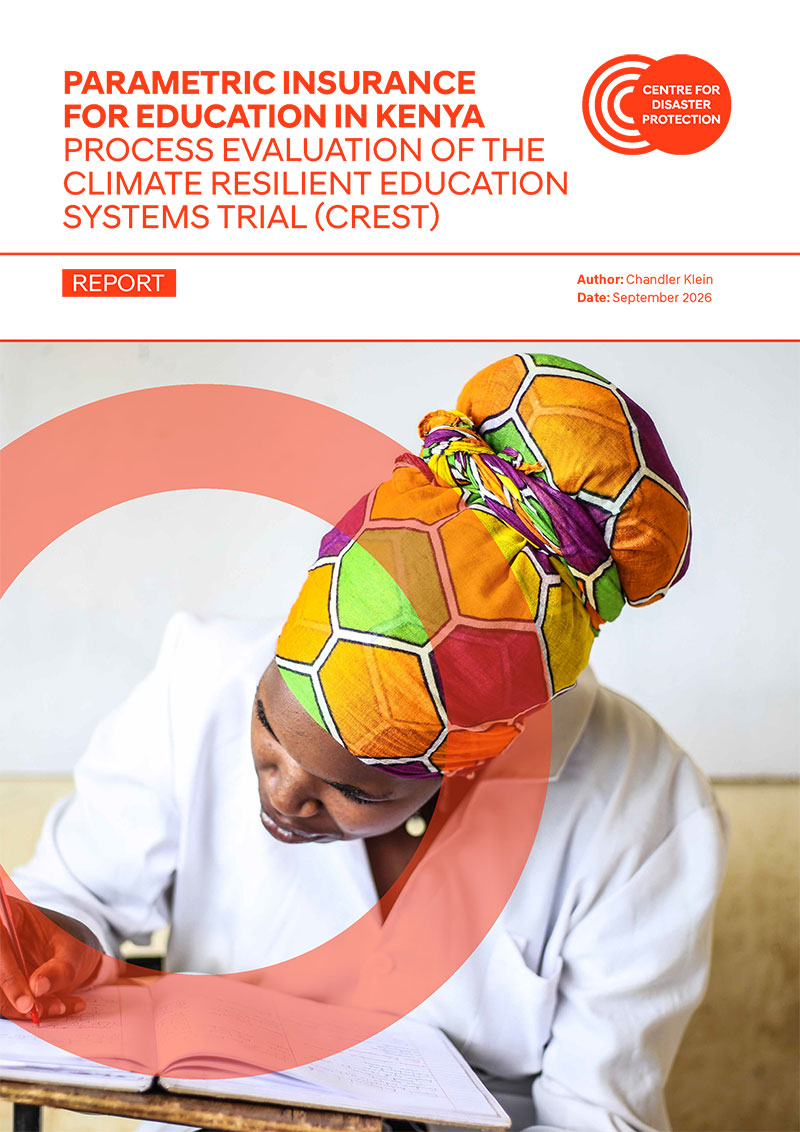
One of the first attempts to insure children's learning against drought. What happens when parametric insurance meets education, and when is it the right tool?
Read more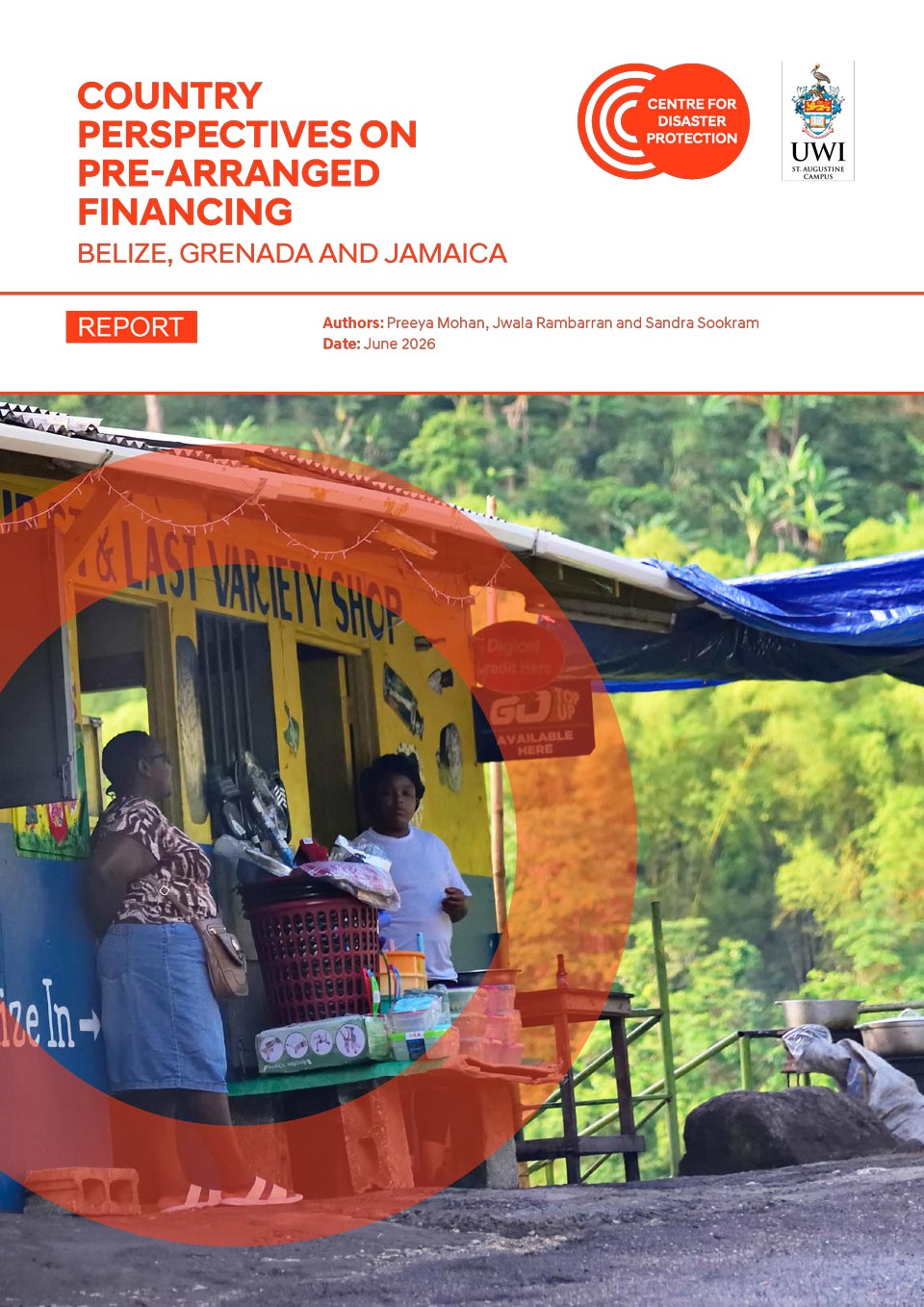
The clearest picture yet of what countries actually want from pre-arranged finance and what institutional frictions slow delivery.
Read more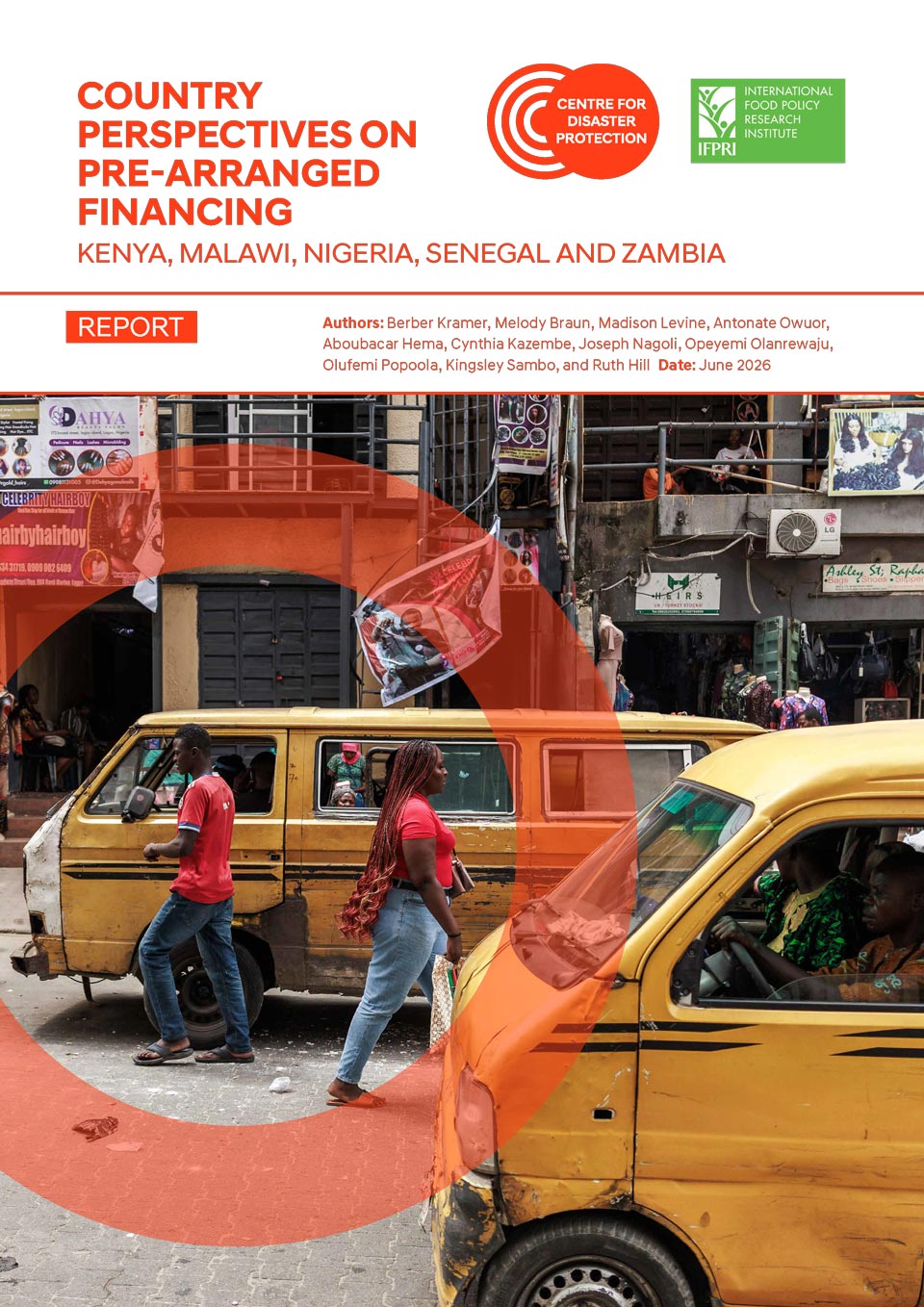
Pre-arranged financing is expanding fast, but the voices of the countries it is meant to protect are too rarely heard. This report gives the clearest picture yet of what countries actually want.
Read more
The first cross-country evidence on what governments actually want from pre-arranged financing, drawing on evidence from nearly 250 government officials and national stakeholders.
Read more.webp)
This technical brief, authored by CERDI and supported by the Centre for Disaster Protection, provides an in-depth analysis of flood risk in Chad.
Read more
This insight paper examines the challenge of handling basis risk in disaster risk financing systems.
Read more
This report lays out a vision for new systems of financing to respond to the changing nature of global refugee crises.
Read moreIndemnity insurance
Insurance that pays based on assessed losses after damage to a specific asset.
Crisis risk
The likelihood of harm or loss from crises shaped by hazards, exposure, vulnerability and capacity.
Risk layering
Using different financial instruments for different disaster frequencies.
Crisis
A situation where severe needs overwhelm local and national capacity to respond effectively.
Hazard
A natural or human process that can cause injury, damage or disruption.
Fragility
High exposure to risk combined with weak capacity to cope, often leading to crisis.