Aligning With The Bigger Picture: Thinking Strategically In Disaster Risk Financing

At the Centre for Disaster Protection, we spend a lot of time considering what ‘good’ disaster risk financing (DRF) looks like in practice. We have set out a current working list in our blog: ‘7 habits of highly effective DRF’. We are now calling these the ‘7 keys to unlock effective DRF’. Some have been more neglected than others, and we have released the below guidance notes for the most overlooked. These aim to provide very practical guidance, tools and examples of how to build these particular five keys into your DRF initiative.
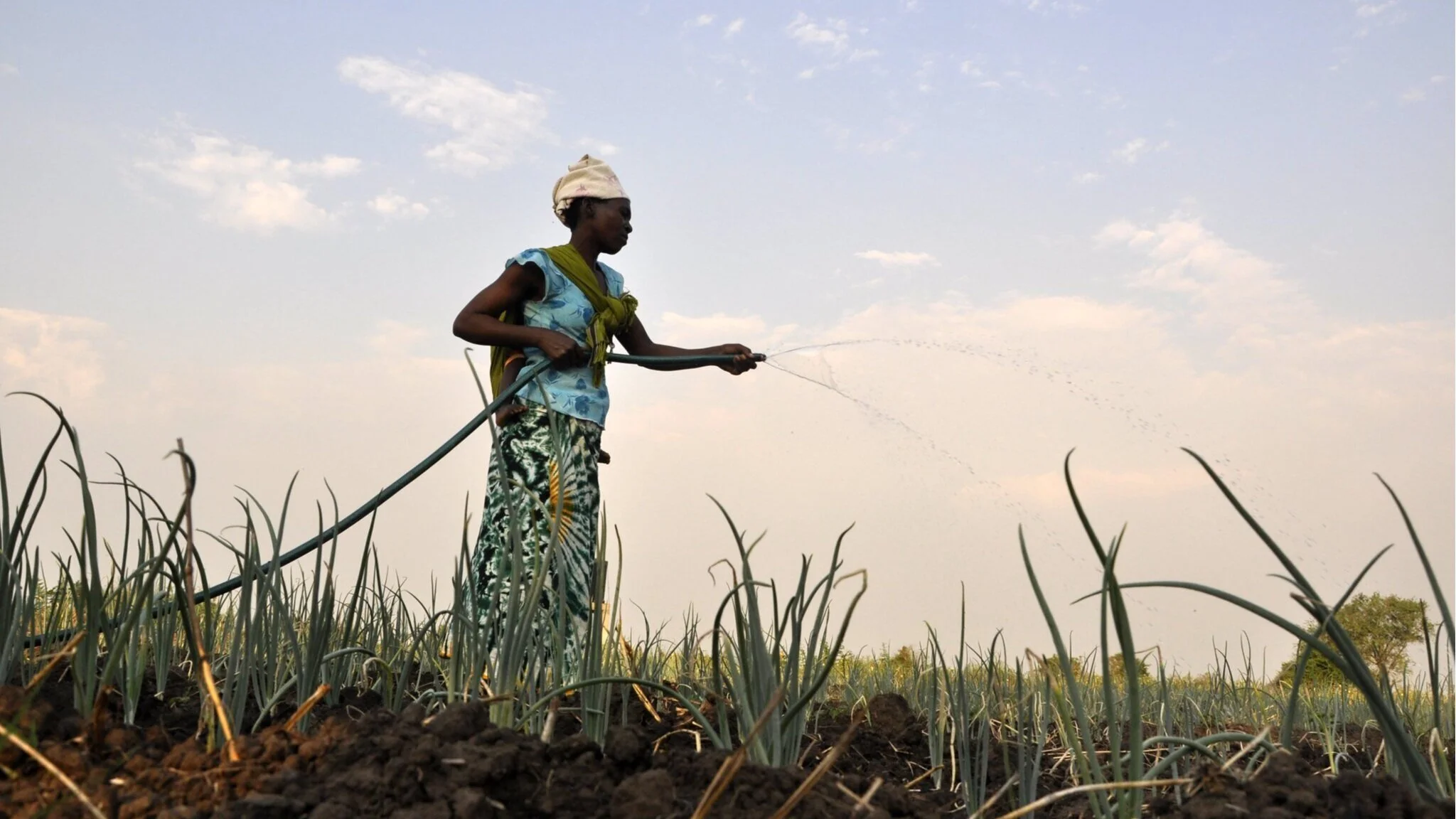
7 habits of highly effective DRF
We spend a lot of time considering what ‘good’ disaster risk financing (DRF) looks like in practice. Here we share our current working list, our ‘7 habits of highly effective DRF’.
Read MoreKey Findings
Key Terms Used In This Report
A predefined threshold that activates payments or actions within risk financing mechanisms.
Financial arrangements made in advance to pay for disaster prevention, response and recovery.
Conditions that increase how severely people or communities are affected by hazards.
Related Publications
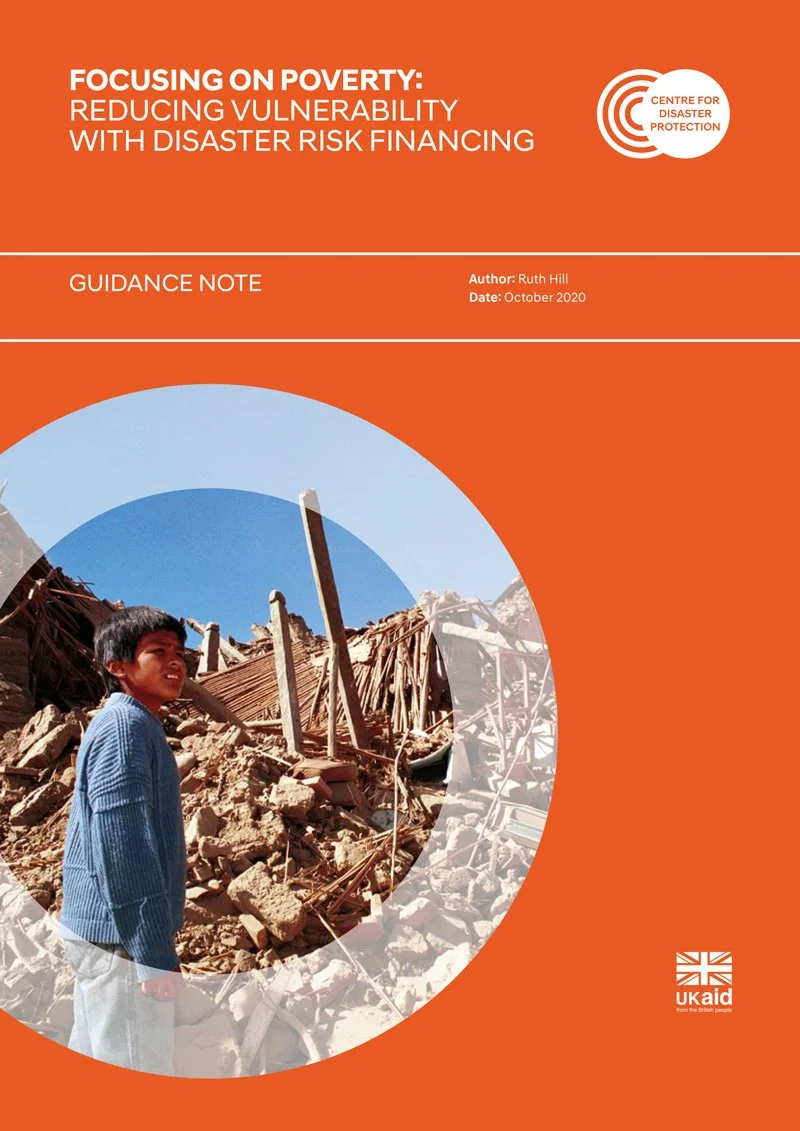
Focusing On Poverty: Reducing Vulnerability With Disaster Risk Financing
This guidance note sets out some questions to help ensure that DRF is most directed to those who are least able to withstand shocks.
Read more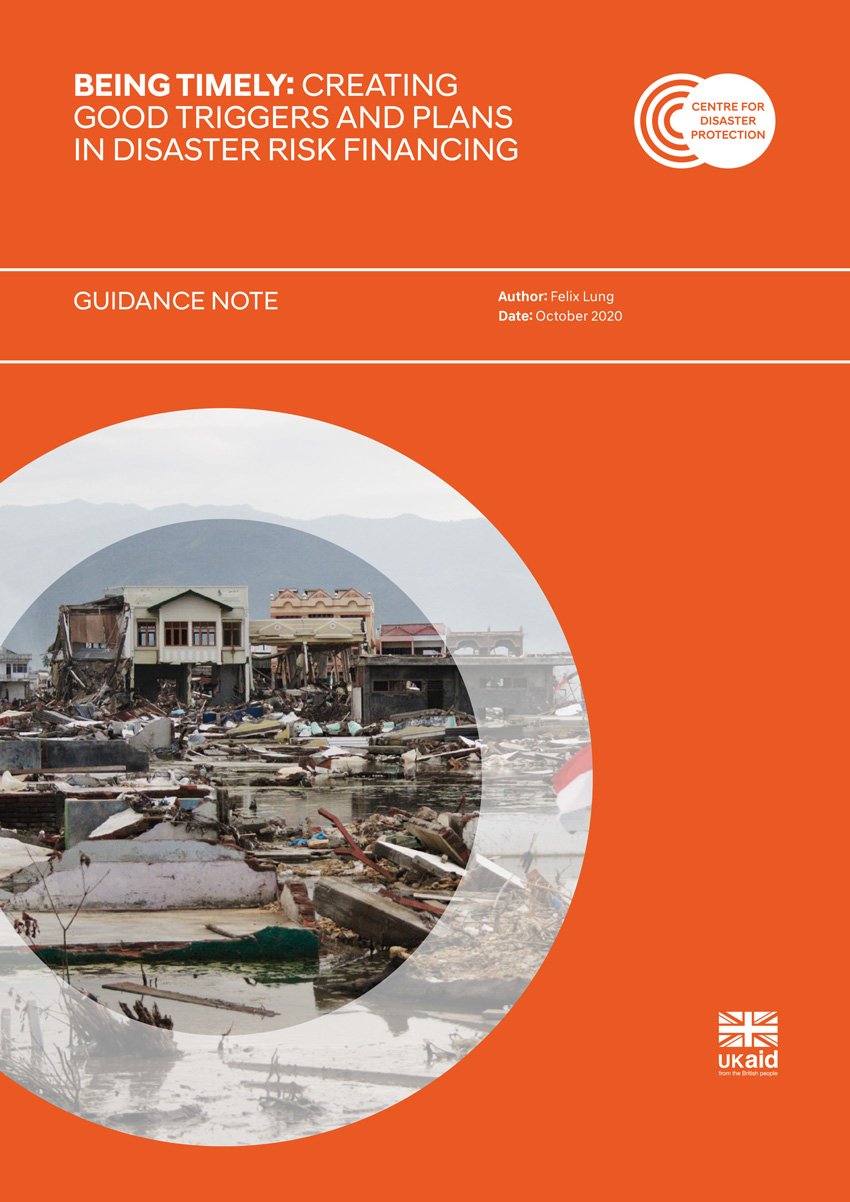
Being Timely: Creating Good Triggers And Plans In Disaster Risk Financing
Practical guidance on contingency planning a before a disaster strikes to support a faster, more coordinated, and ultimately, more effective response.
Read more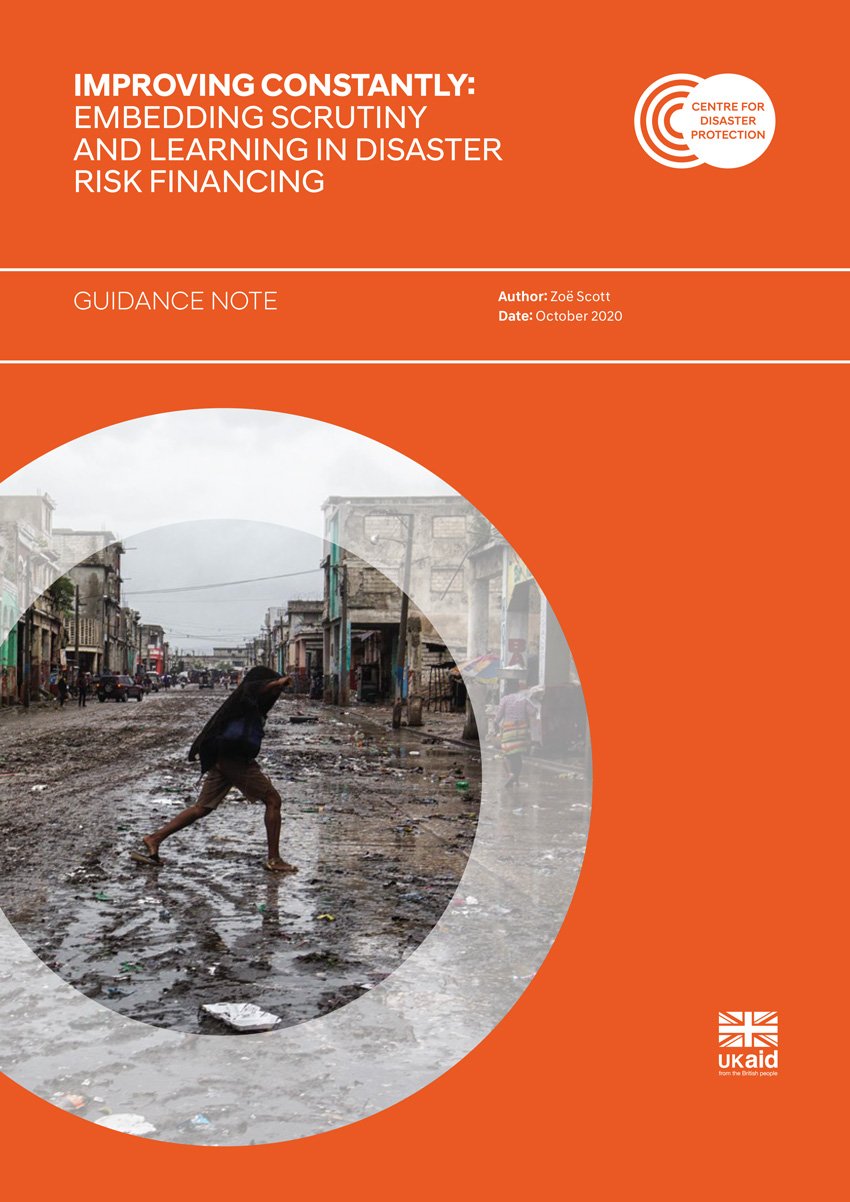
Improving Constantly: Embedding Scrutiny And Learning In Disaster Risk Financing
This guidance note sets out practical ways to ensure quality, independent scrutiny and improved learning in your DRF initiatives.
Read more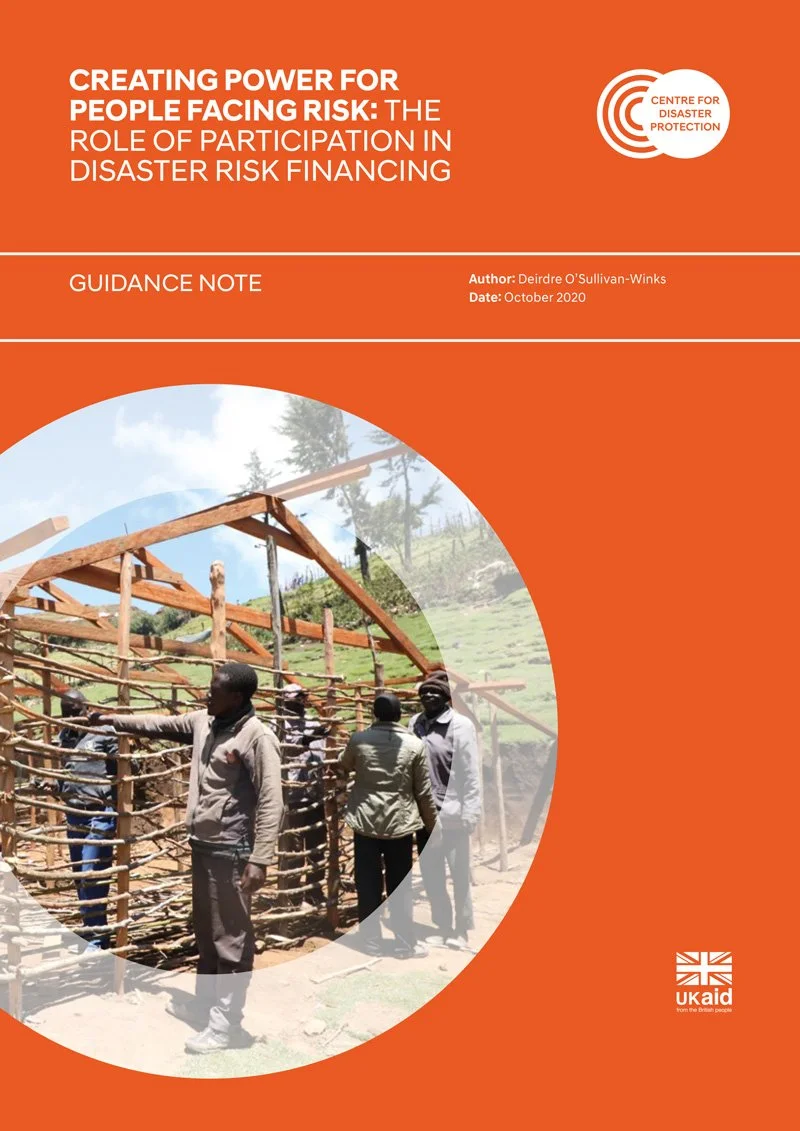
Creating Power For People Facing Risk: The Role Of Participation In Disaster Risk Financing
This guidance note gives practical advice on consulting and involving communities in decision-making that impacts their lives.
Read more