Focusing On Poverty: Reducing Vulnerability With Disaster Risk Financing
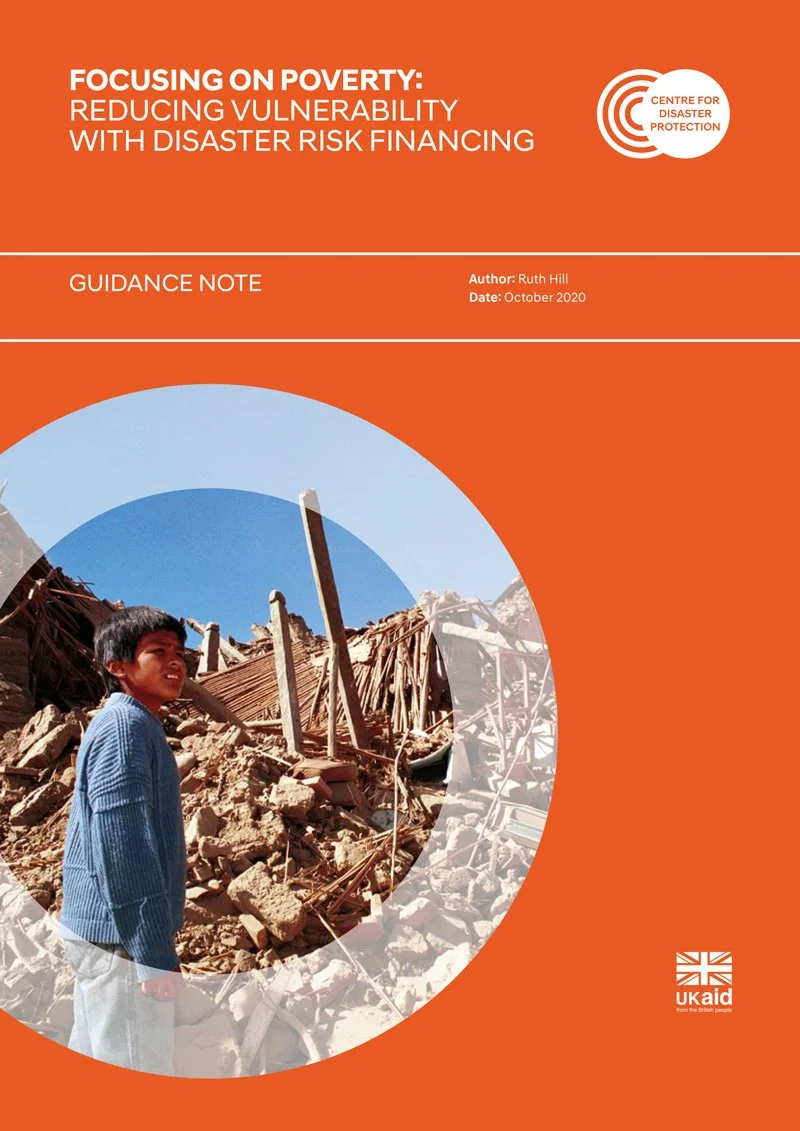
Disasters have the biggest impact on those that are least able to protect themselves from them: vulnerable people. In most cases the most vulnerable are also the poorest in a society. This guidance note sets out some questions that can be asked during programme design to help ensure that DRF is most directed to those who are least able to withstand shocks.
Key Findings
Key Terms Used In This Report
Conditions that increase how severely people or communities are affected by hazards.
Financial arrangements made in advance to pay for disaster prevention, response and recovery.
Financing approved before crises that is released automatically when agreed triggers are met.
Related Publications
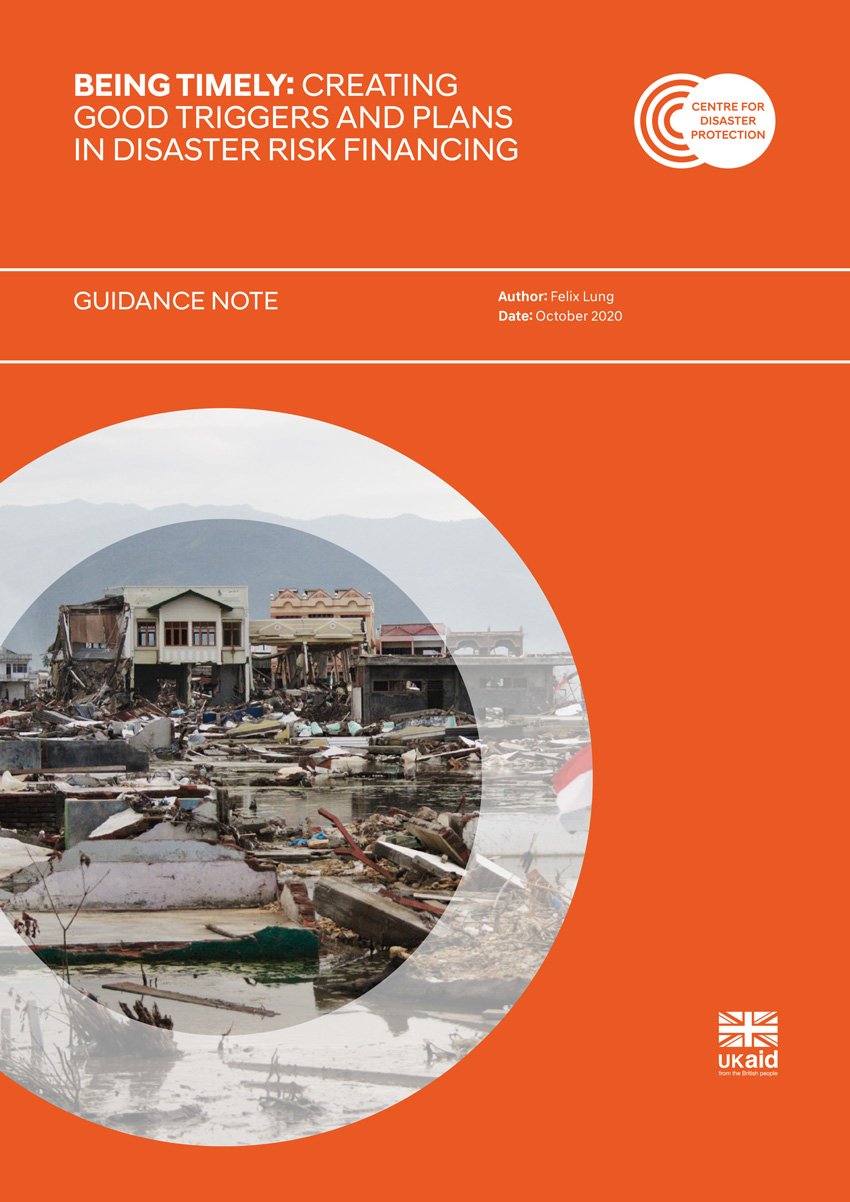
Being Timely: Creating Good Triggers And Plans In Disaster Risk Financing
Practical guidance on contingency planning a before a disaster strikes to support a faster, more coordinated, and ultimately, more effective response.
Read more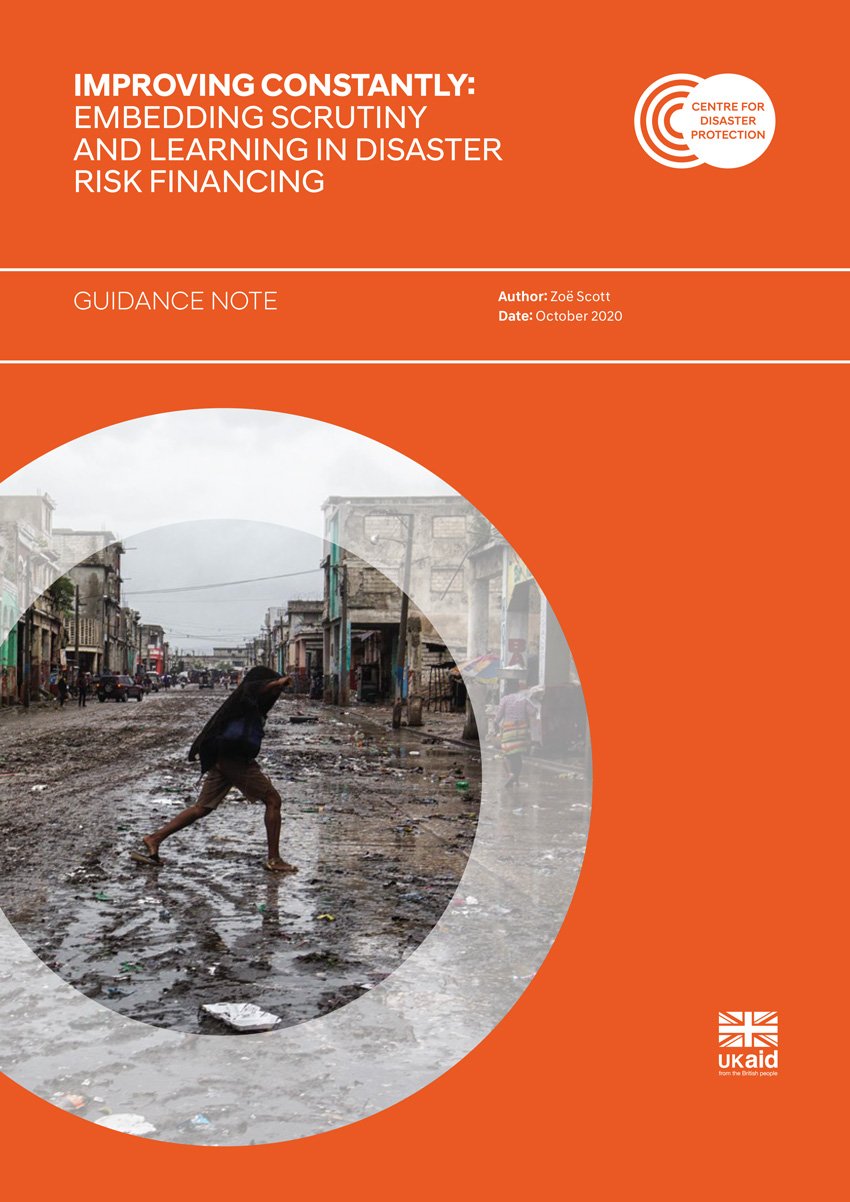
Improving Constantly: Embedding Scrutiny And Learning In Disaster Risk Financing
This guidance note sets out practical ways to ensure quality, independent scrutiny and improved learning in your DRF initiatives.
Read more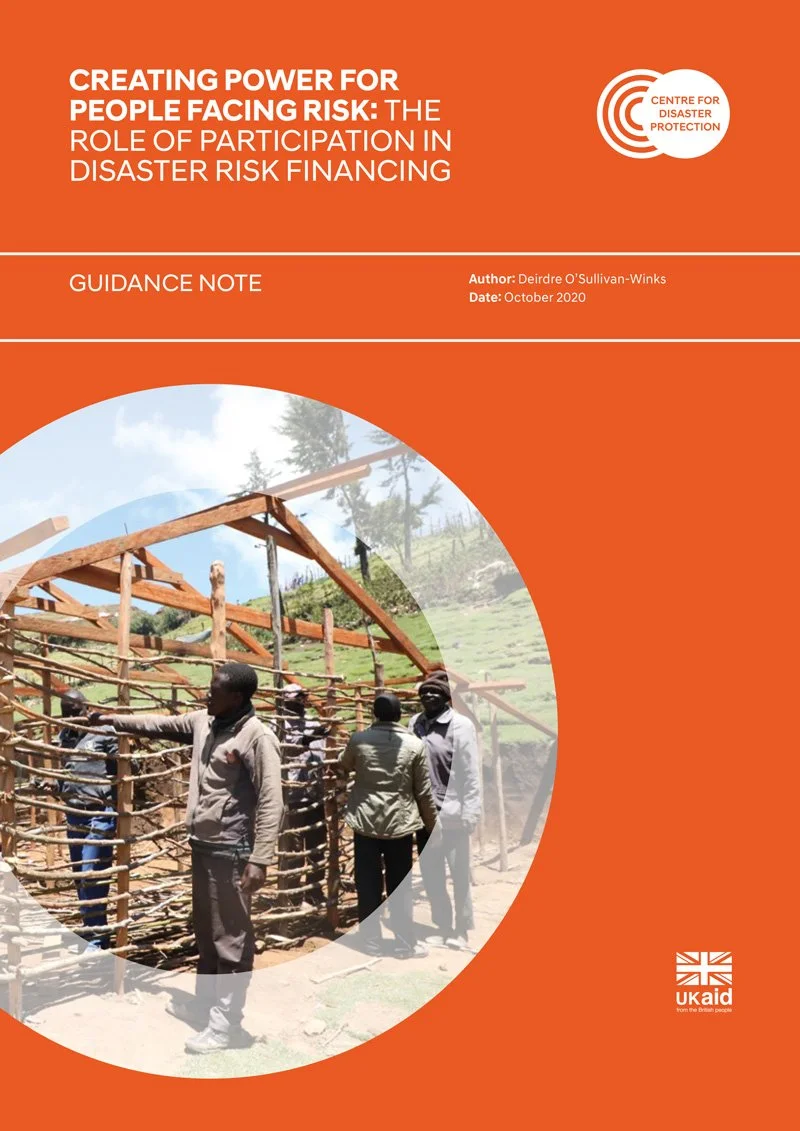
Creating Power For People Facing Risk: The Role Of Participation In Disaster Risk Financing
This guidance note gives practical advice on consulting and involving communities in decision-making that impacts their lives.
Read more
Aligning With The Bigger Picture: Thinking Strategically In Disaster Risk Financing
This publication explains the importance of thinking strategically and sets out four principles for taking a strategic approach, with practical advice and resources.
Read more