Early warning system
An integrated system of hazard monitoring, forecasting and prediction, disaster risk assessment, communication and preparedness activities systems and processes that enables individuals, communities, governments, businesses and others to take timely action to reduce disaster risks in advance of hazardous events (UNDRR n.d.).
%20-%20website%20(1).jpeg)
This report examines how governments across Burkina Faso, Chad, Mali, Mauritania and Senegal can better plan and budget for disasters before they strike.
Read more
The study puts forward six lessons and 12 recommendations for donors interested in supporting this agenda.
Read more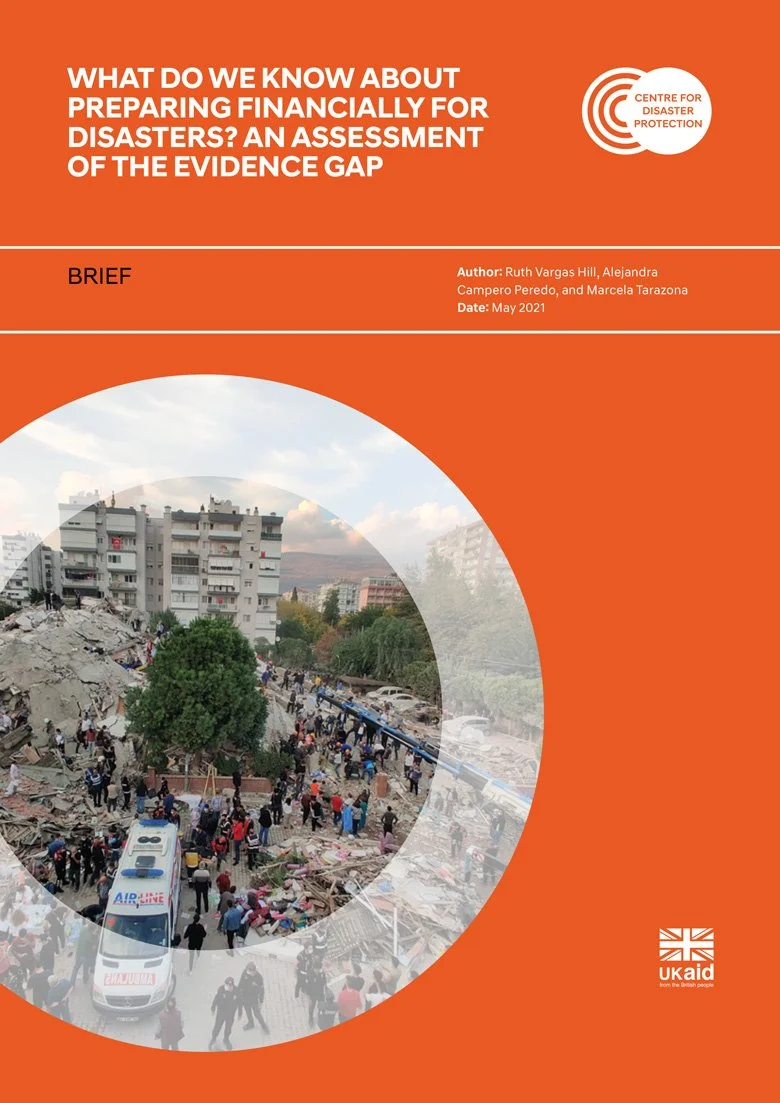
This brief reviews the evidence on the welfare impacts of proactive approaches to setting up finance for disaster response.
Read more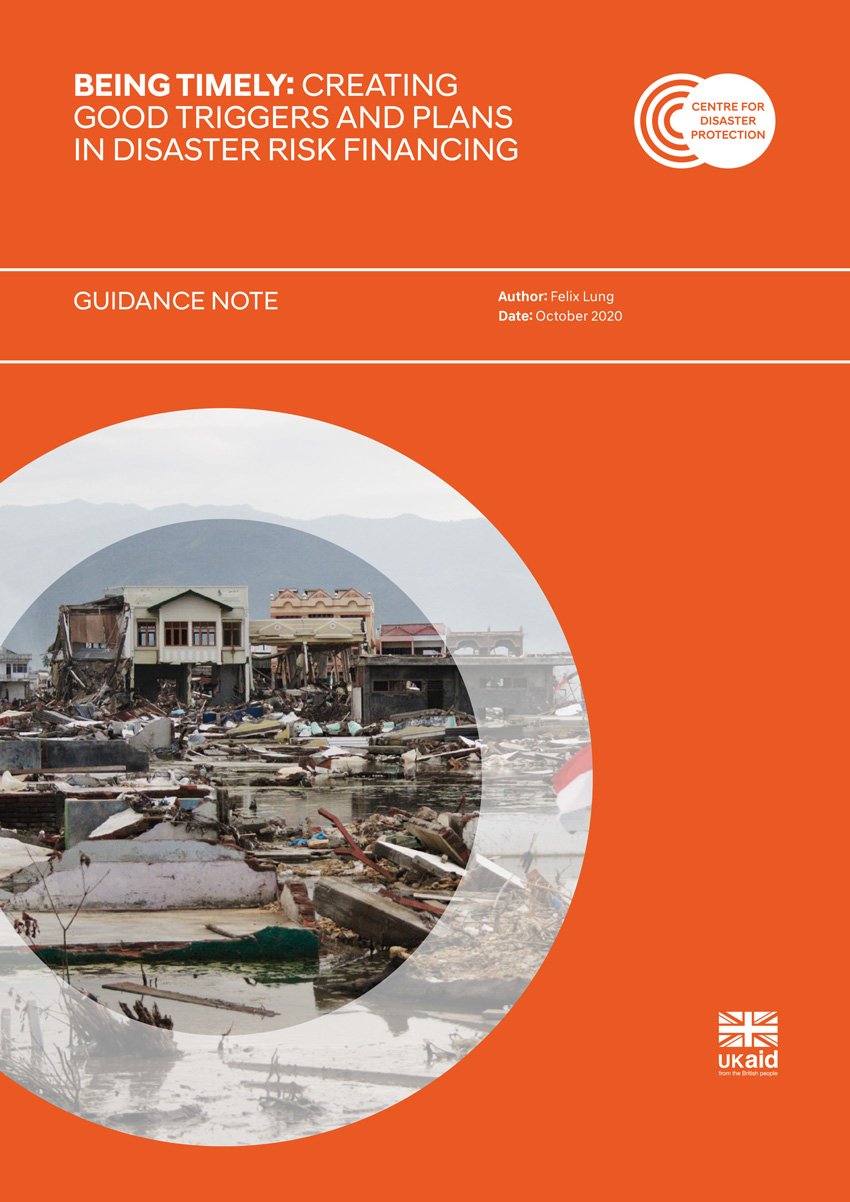
Practical guidance on contingency planning a before a disaster strikes to support a faster, more coordinated, and ultimately, more effective response.
Read moreFinancial Flows
Financial flows refer to the movement of funds for disaster risk reduction (DRR) and response, covering planned and unplanned sources.
Development bank
A public financial institution providing loans, grants and expertise to support development goals.
Basis risk
The gap between measured indicators and real losses causing payouts to differ from actual damage.
Fragility
High exposure to risk combined with weak capacity to cope, often leading to crisis.
Total crisis financing
Development funding focused mainly on crisis prevention, preparedness and response activities.
Crisis
A situation where severe needs overwhelm local and national capacity to respond effectively.