Financial Flows
Financial flows refer to the movement of funds for disaster risk reduction (DRR) and response, covering planned and unplanned sources.
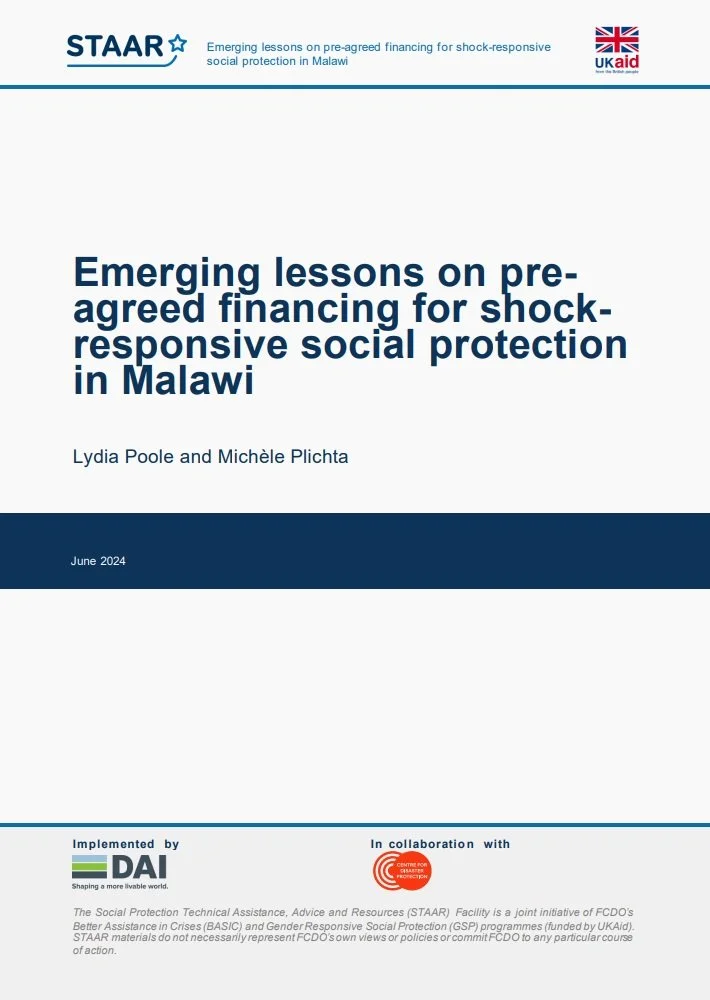
The report contributes to a broader study to consider the opportunities, potential risks, and benefits of channelling disaster risk financing instruments through national social protection systems.
Read more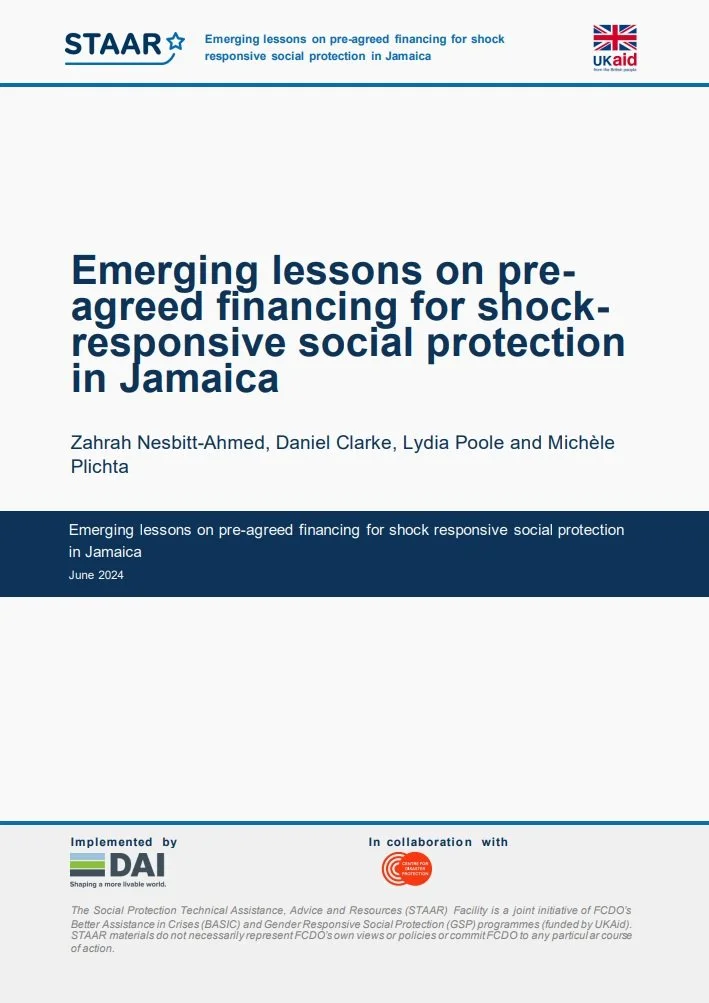
The report contributes to a broader study to consider the opportunities, potential risks, and benefits of channelling disaster risk financing instruments through national social protection systems.
Read more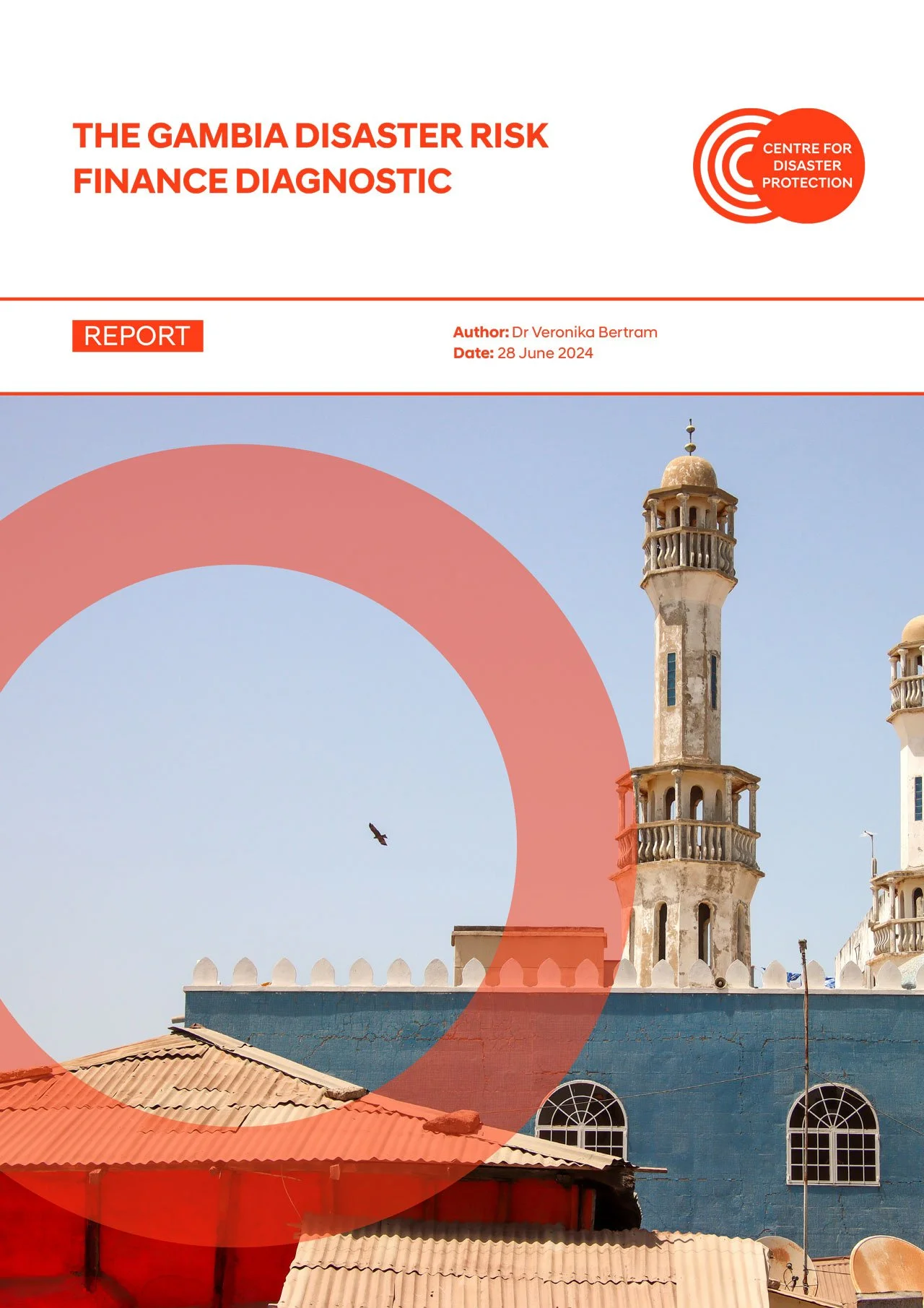
This Disaster Risk Diagnostic supports The Gambia’s efforts to strengthen disaster risk financing and recommends ways to build a clearer risk profile.
Read more
Mapping Financial Flows For Disasters
This paper aims to identify available data and methodologies, explore whether these could support a global database to track disaster-related financial flows.
Read more
This policy brief draws on the findings of five Discussion Papers in the Centre’s IDA19 Series.
Read more
Lessons for IDA from the UK Government’s approach to explicit contingent liabilities.
Read more
This paper charts the evolution of the World Bank’s approach to crisis risk financing.
Read more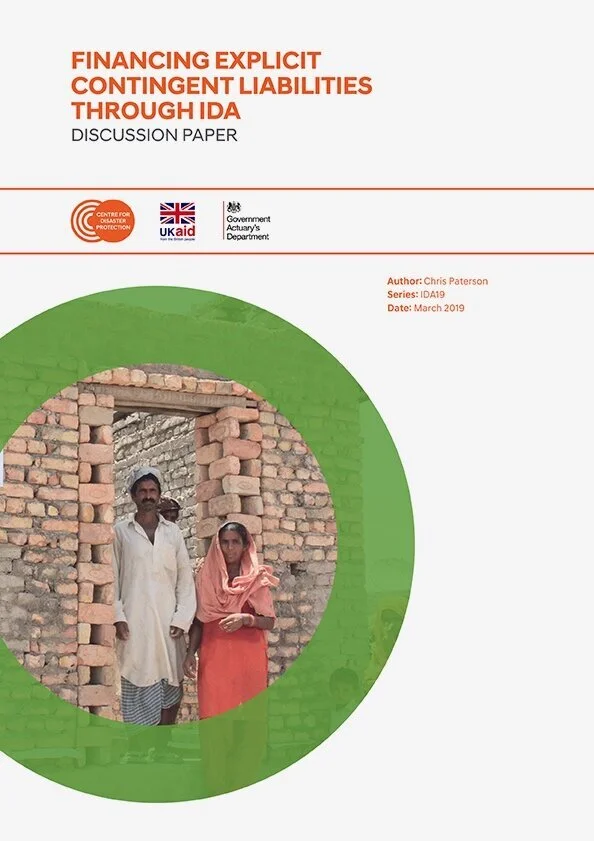
This paper proposes an innovative approach to financing contingent liabilities using IDA.
Read moreAdaptive social protection
Social protection systems that adjust to shocks, helping vulnerable people prepare, cope and recover over time.
Resilience
The ability to withstand shocks, adapt, recover and continue functioning over time.
Pre-arranged financing
Financing approved before crises that is released automatically when agreed triggers are met.
Catastrophe bond
A catastrophe bond (cat bond) is a risk-transfer financial instrument that allows governments or insurers to transfer disaster risk to capital market investors.
Risk transfer
When disaster risk is shifted to insurers or capital markets.
Risk retention
When governments retain and finance disaster costs themselves.